Tile and Flooring Underlay

9 products

Boards and mats that go under tiles and flooring. Choose ceramic tile underlay sheets for tiling, plywood and hardboard panels for a smooth, stable base, or acoustic underlay to cut footfall noise under floating floors.


About Tile and Flooring Underlay

Laying tiles or a floating floor straight over old boards or an uneven subfloor can lead to movement and a hollow feel. Underlay sheets and acoustic mats sit between the subfloor and the finished floor to give it a firm, level footing.

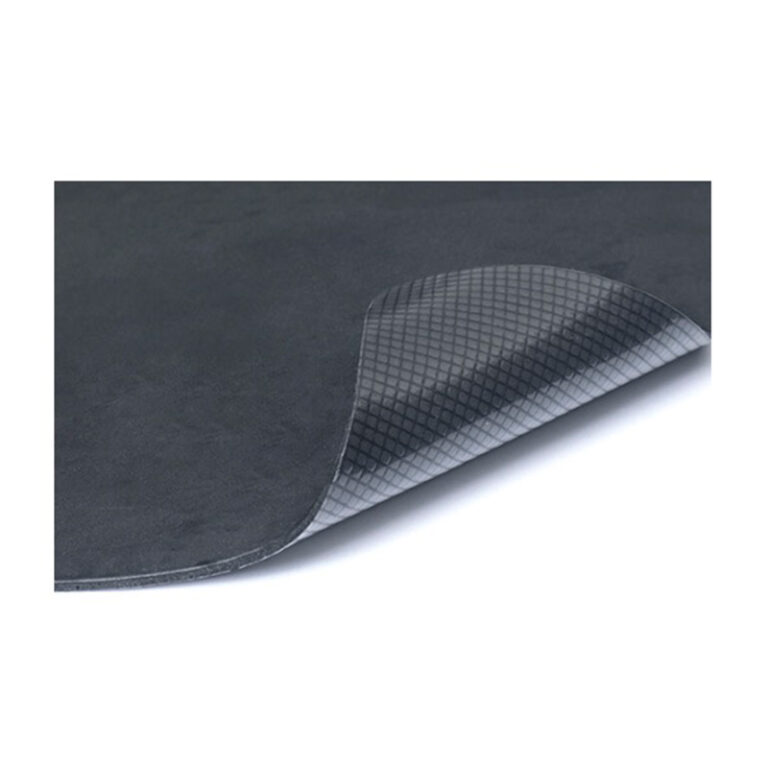
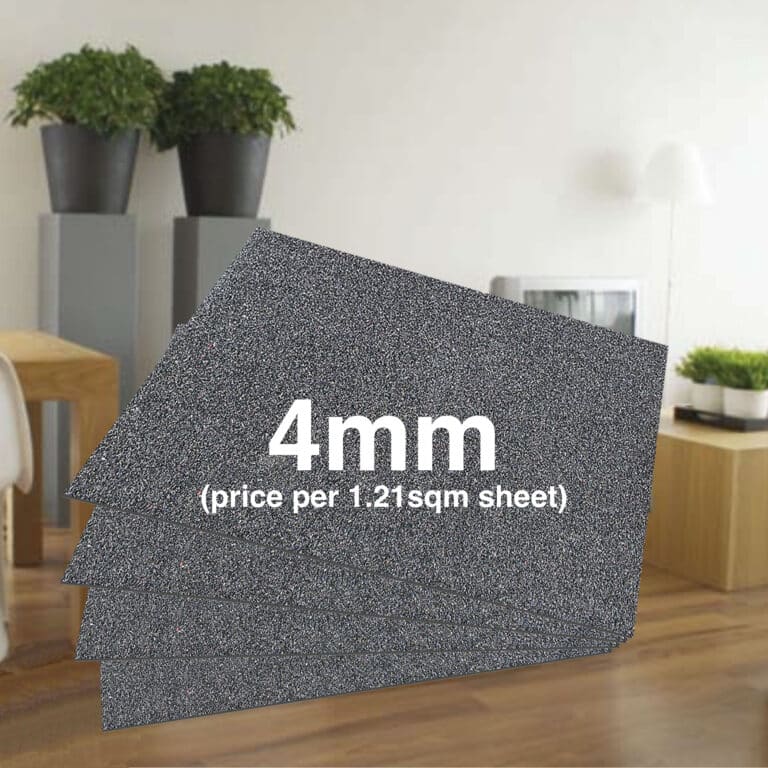
Over timber floors, tile underlay sheets come in 1800 x 1200 and 1800 x 900 sizes. Under vinyl and other thin coverings, hardboard and ply panels 5mm to 5.5mm thick, such as ePLY and HPF, give an even surface to lay on. For acoustic underlay, choose VibraMat Acoustic Underlay 4mm or the G3 EVA 3mm Acoustic Underlay made for floating floors.
Common Questions

Tile and Flooring Underlay FAQ

What underlay do I need for tiles over a timber floor?

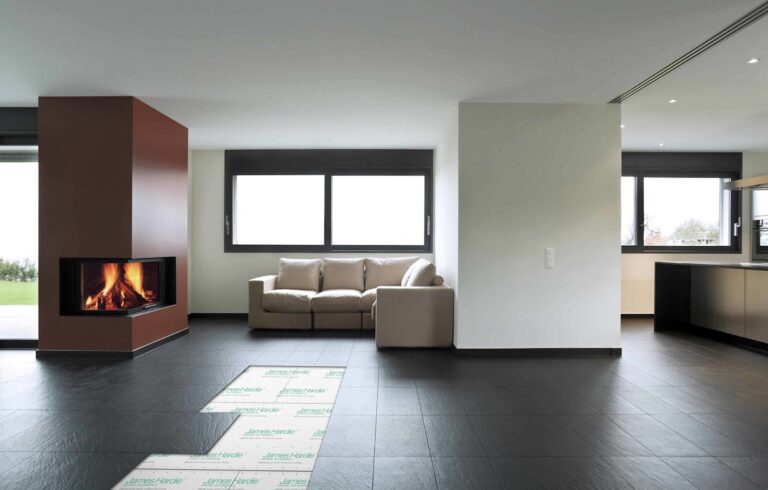
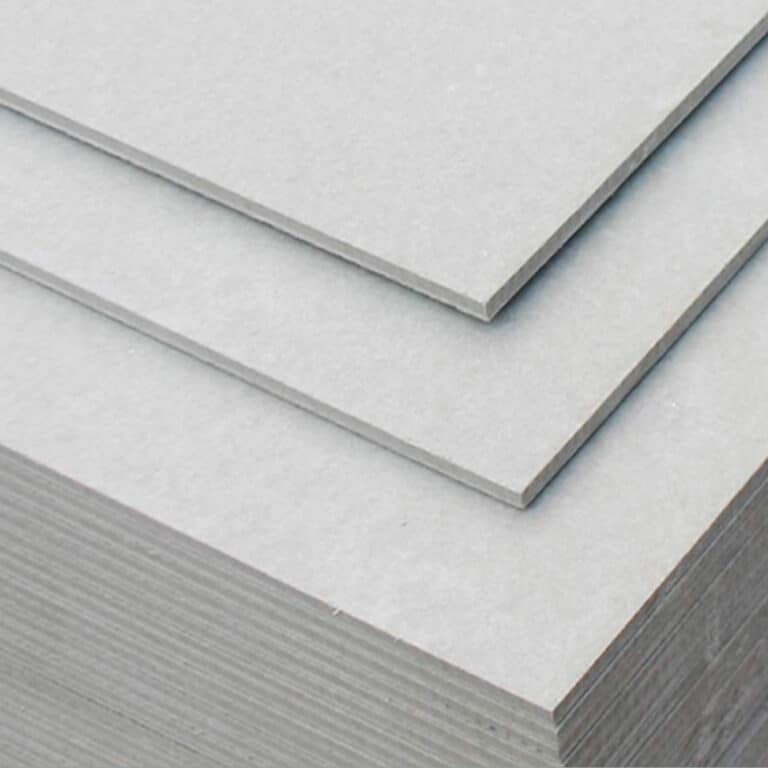
Use a 6mm fibre cement tile underlay such as James Hardie, BGC or Hume Prima. James Hardie says to lay its sheets in a staggered brick pattern with edges 3mm back from the walls, fix them with underlay nails using the pre-marked pattern, and use stud adhesive (a construction adhesive) over particleboard or plywood. Make sure the existing boards are firmly nailed down first, and follow the installation guide for your sheet.

Can I use tile underlay on a concrete slab?

No. James Hardie states that its Ceramic Tile Underlay must not be used on concrete slabs, and recommends purpose-made concrete levelling products if you need to build up the height of a slab. Fibre cement tile underlay is made for timber, particleboard and plywood floors. On concrete, use a screed or levelling compound to build up or flatten the slab before tiling.

What underlay goes under vinyl flooring?

Vinyl needs a smooth, flat base because bumps and joints can show through. Thin panels such as 5.5mm HPF, Tablex or Trimtec hardboard and ePLY plywood are made for this. The HPF installation guide covers use over particleboard, strip timber, plywood and concrete, and says to check timber subfloors with a moisture meter, lay over concrete only once it is dry and protected from moisture, and fix any dampness before laying. Follow your vinyl maker’s instructions too.

Which acoustic underlay should I use under a floating floor?

Acoustic underlay sits under the floor to reduce footfall noise. G3 EVA 3mm Acoustic Underlay is made for floating hard floors, and VibraMat Acoustic Underlay 4mm is designed to cut floor impact sound. If you live in an apartment, check your strata by-laws for the acoustic rating they require, and confirm the underlay’s test results on its data sheet before you buy.

Do I need underlay under laminate or timber flooring?

Floating laminate and engineered timber floors are generally laid over an underlay, which evens out small bumps, softens footfall noise. Over a concrete slab, check whether your flooring also needs a separate moisture barrier. The right type depends on the floor, so check the flooring manufacturer’s installation instructions, as the wrong underlay can affect the warranty. Floors that are glued or nailed down are laid differently, so follow their own instructions.

Need help choosing your tile and flooring underlay?

Talk to the team

Get in touch for expert advice, samples and trade pricing.

Contact Us

Added to cart

View cart