Description
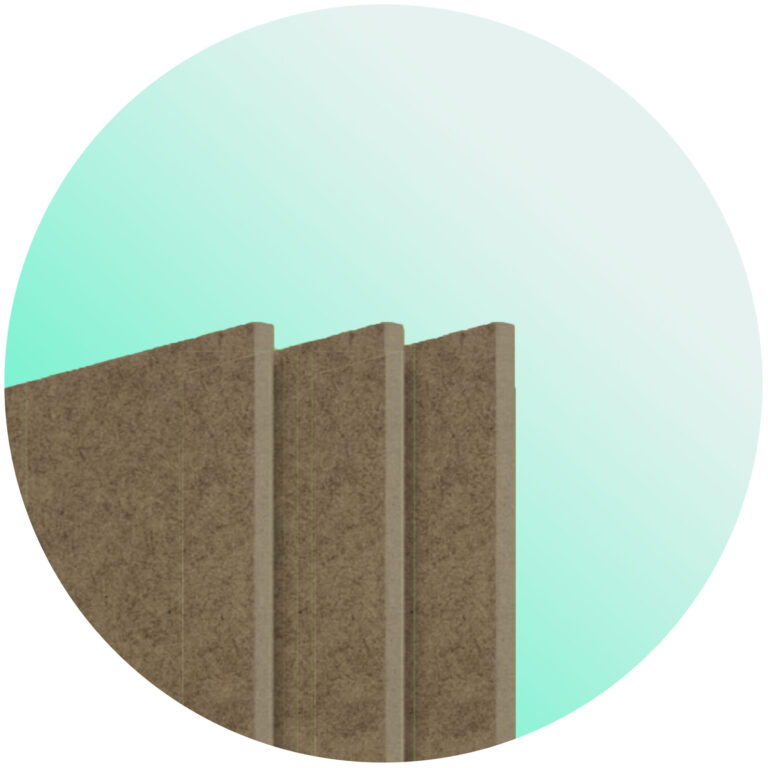
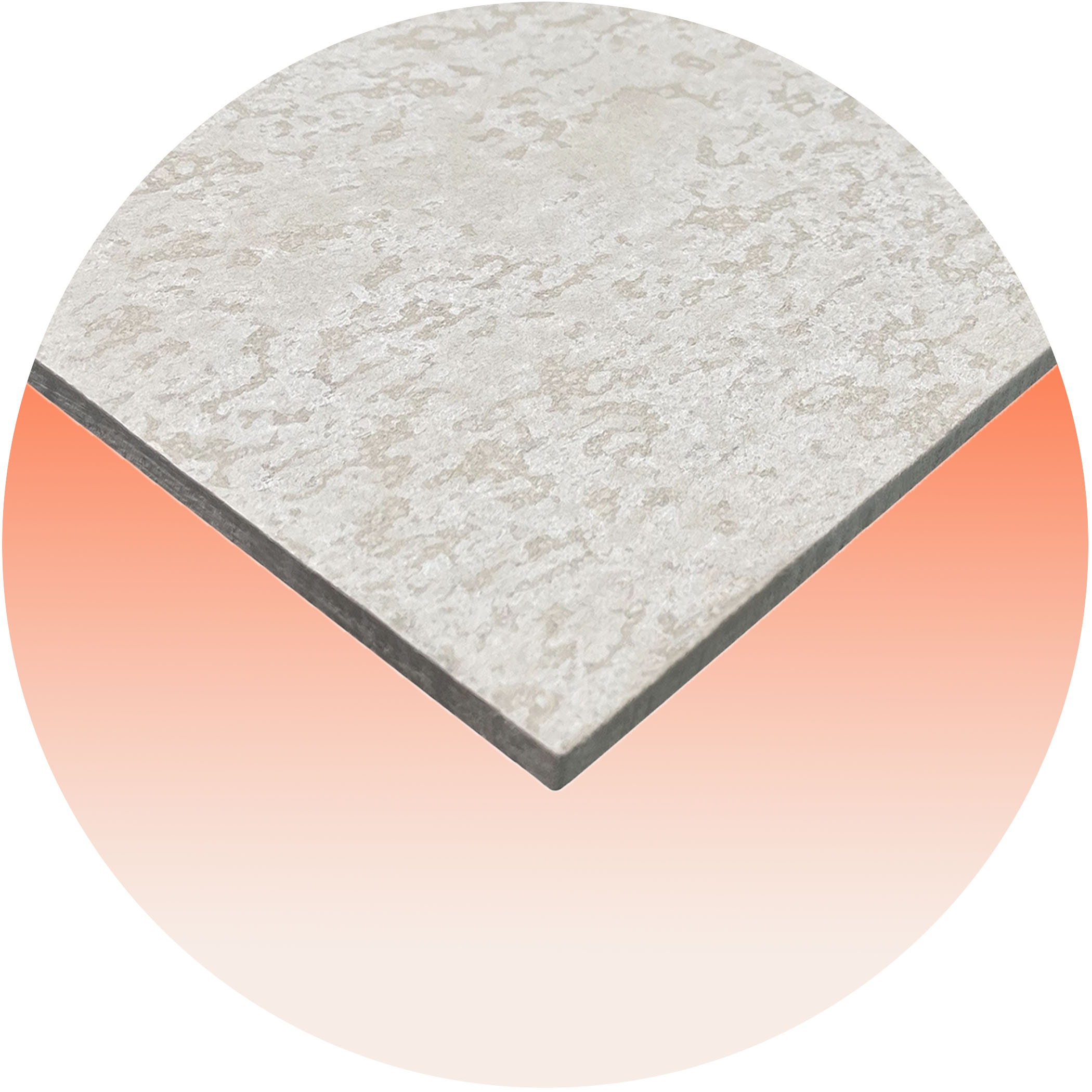
BGC Ceramic Tile Underlay is a specially-formulated fibre cement sheet designed as a stable substrate under slate and ceramic floor tiles, suitable for installation over new or existing timber floorboards, plywood or particleboard flooring. It’s manufactured from cement, finely ground silica, cellulose fibres and water, then cured in a high-pressure steam autoclave to produce a dimensionally stable sheet that complies with AS 2908.2.
Because it’s fibre cement rather than a timber-based product, its durability profile is genuinely different: the sheets are immune to permanent water damage in both short and long-term exposure, won’t rot or burn, and are unaffected by termites, air, steam, salt or sunlight across a 0°C to 95°C temperature range. That’s also why it’s rated non-combustible under AS1530.3, with Ignitability, Spread of Flame and Heat Evolved Indices all at 0.
Technical Specifications
| Thickness | 6mm |
|---|---|
| Weight | 8.8kg/m² (based on Equilibrium Moisture Content) |
| Sheet size | 1800 x 1200mm |
| Standard compliance | AS 2908.2 Cellulose Cement Products |
| Fire classification | Non-combustible (AS1530.3); Group 1 (AS5637.1) |
| Fixing | 2.5mm x 25mm underlay nails, flush-driven |
Where to Use
- Substrate under slate and ceramic floor tiles
- Over new or existing timber floorboards, plywood or particleboard flooring
- Dry areas, tiled directly, or wet areas with a waterproof membrane between the underlay and tiling
- Applications requiring a non-combustible flooring substrate
How to Apply
- Check the existing floor — re-nail loose floorboards and address any damaged or rotted timber before installing the underlay.
- Plan the layout — position sheets so there are no narrow edge pieces under 200mm wide, and offset underlay joints from joints in the floor below.
- Fix the sheets — nail with 2.5mm x 25mm underlay nails, heads flush with the surface; for extra stability, glue with wallboard adhesive in addition to nailing.
- Leave expansion gaps — leave a 3mm gap at walls and between underlay sheet joints.
- Add a waterproof membrane in wet areas — install between the underlay and the tile adhesive, per the membrane manufacturer’s recommendations, before tiling.
Important Notes
- Cutting and drilling can release crystalline silica dust — use appropriate dust control and PPE, and work in a well-ventilated area.
- Use a masonry drill bit without the hammer function; for larger penetrations, a hole-saw is recommended.
- Existing construction or movement-control joints in the subfloor must be carried through both the underlay and the tiling.
- Any damage to grout or sealant joints should be repaired immediately and restored to original condition.