Advice and Tips
Practical tiling, flooring and DIY guides from Multifors: tool advice, grout and sealer tips, and flooring buying guides from real trade experience.
No posts found matching your criteria.
-
How to Seal Grout: When, Why and How to Do It Properly
Whether grout needs sealing at all depends entirely on what type it is. Cementitious grout is porous by nature, so it absorbs water, oil and grime unless it’s sealed — leading to staining and, over time, mould. Epoxy grout is a different material entirely and is effectively self-sealing, so it doesn’t need this step. If…
-
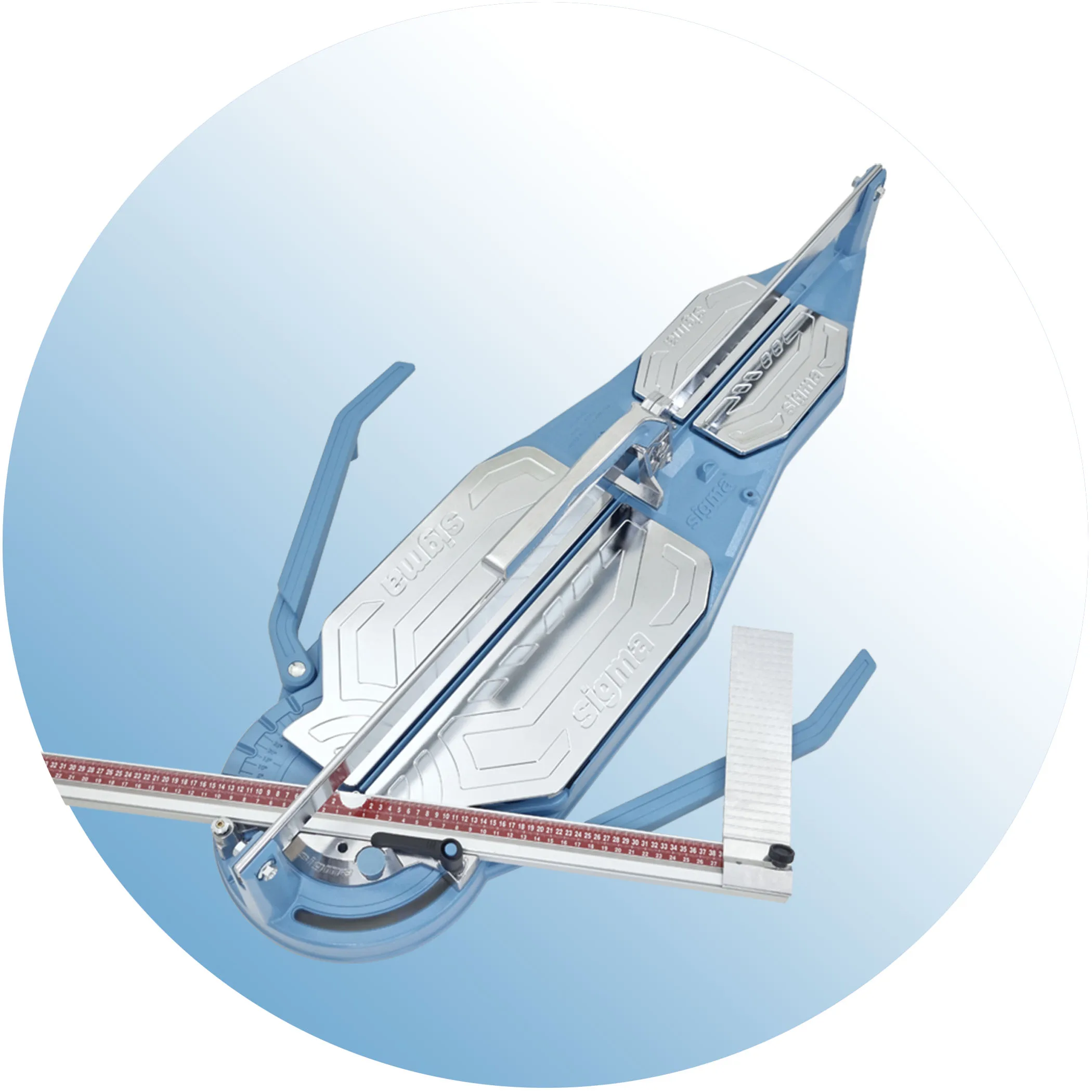
Tile Cutter Buying Guide: Choosing the Right Size, Plus Curves and Notches
Most straight tile cuts are best done with a manual score-and-snap cutter rather than a powered saw — it’s faster to set up, doesn’t need water or dust extraction, and gives a cleaner break on porcelain and ceramic than most people expect from a hand tool. The main decision is really about size: which cutter…
-
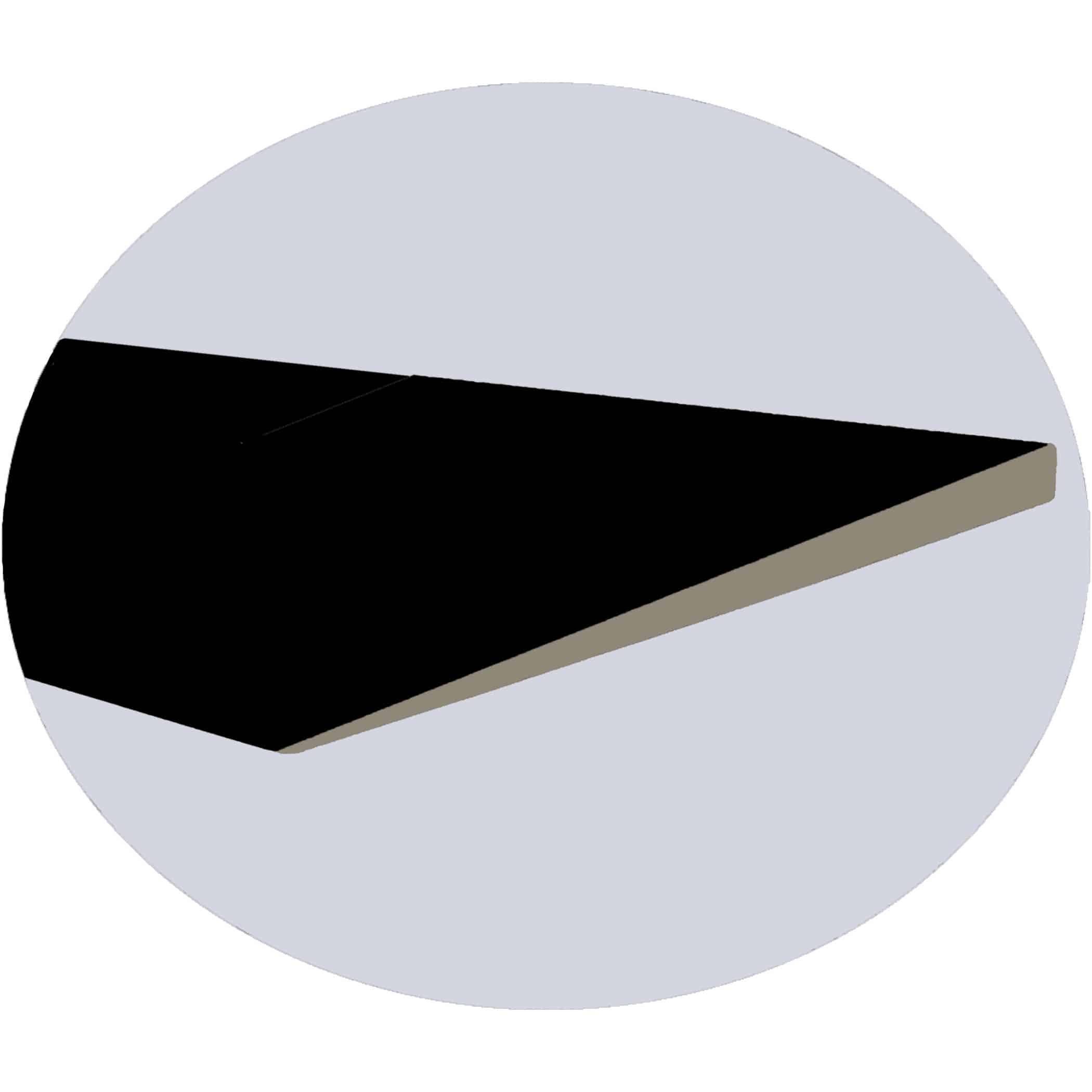
Flooring Transition Strips: Which Type Do You Need?
Wherever two different floors meet — timber into tile, carpet into hardwood, a doorway between rooms — you need a transition strip to cover the join and manage any difference in height. Which type you need depends mainly on two things: how big the height difference is, and what materials you’re joining. Flush transitions: no…
-
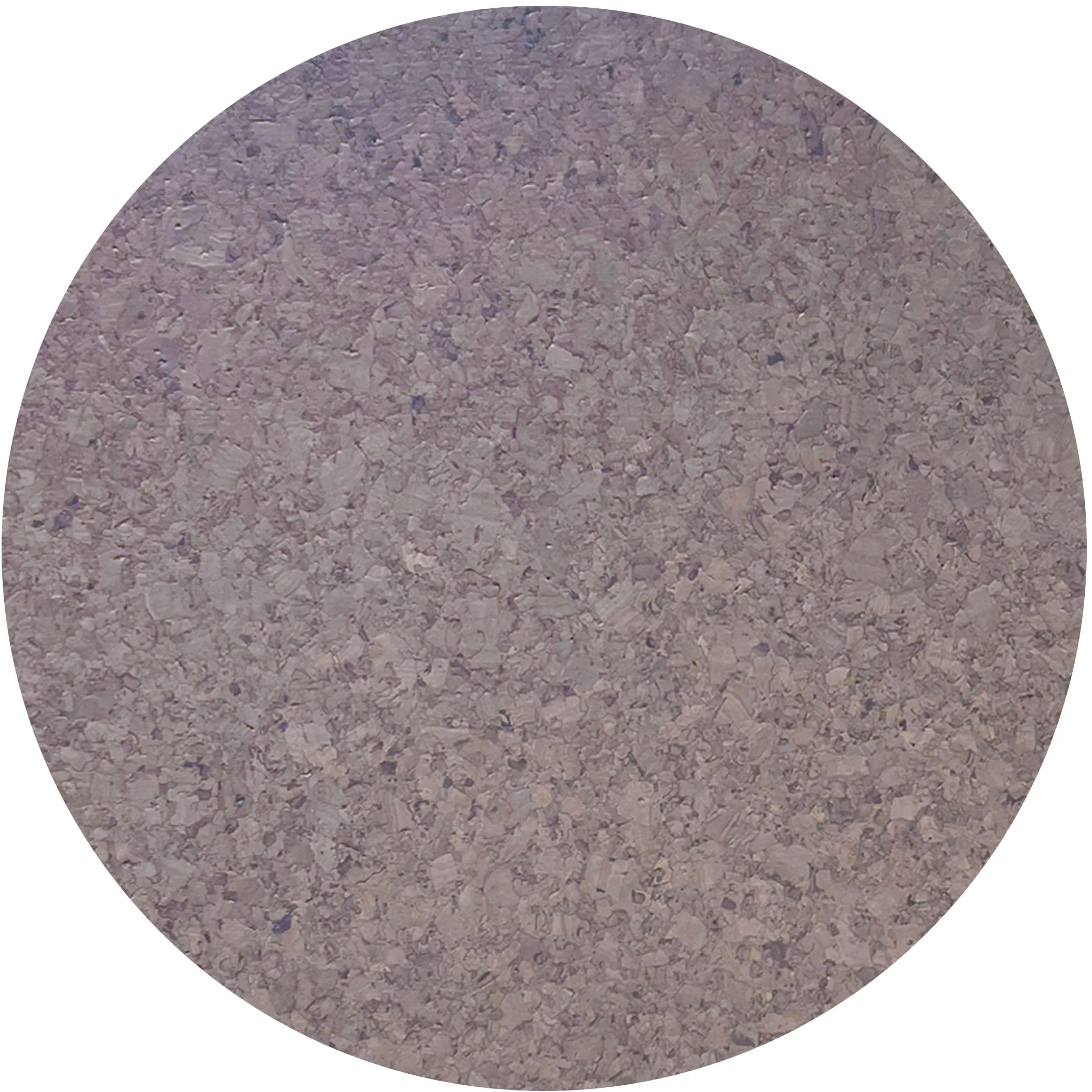
Cork Flooring Explained: Benefits, Where to Use It, and Choosing a Finish
Cork flooring is made from the bark of the cork oak tree, harvested without cutting the tree down, then compressed into planks or tiles. It’s a genuinely different flooring material to timber, laminate or hybrid — softer underfoot, naturally insulating, and with a texture that’s hard to replicate with a printed finish. It also has…
-
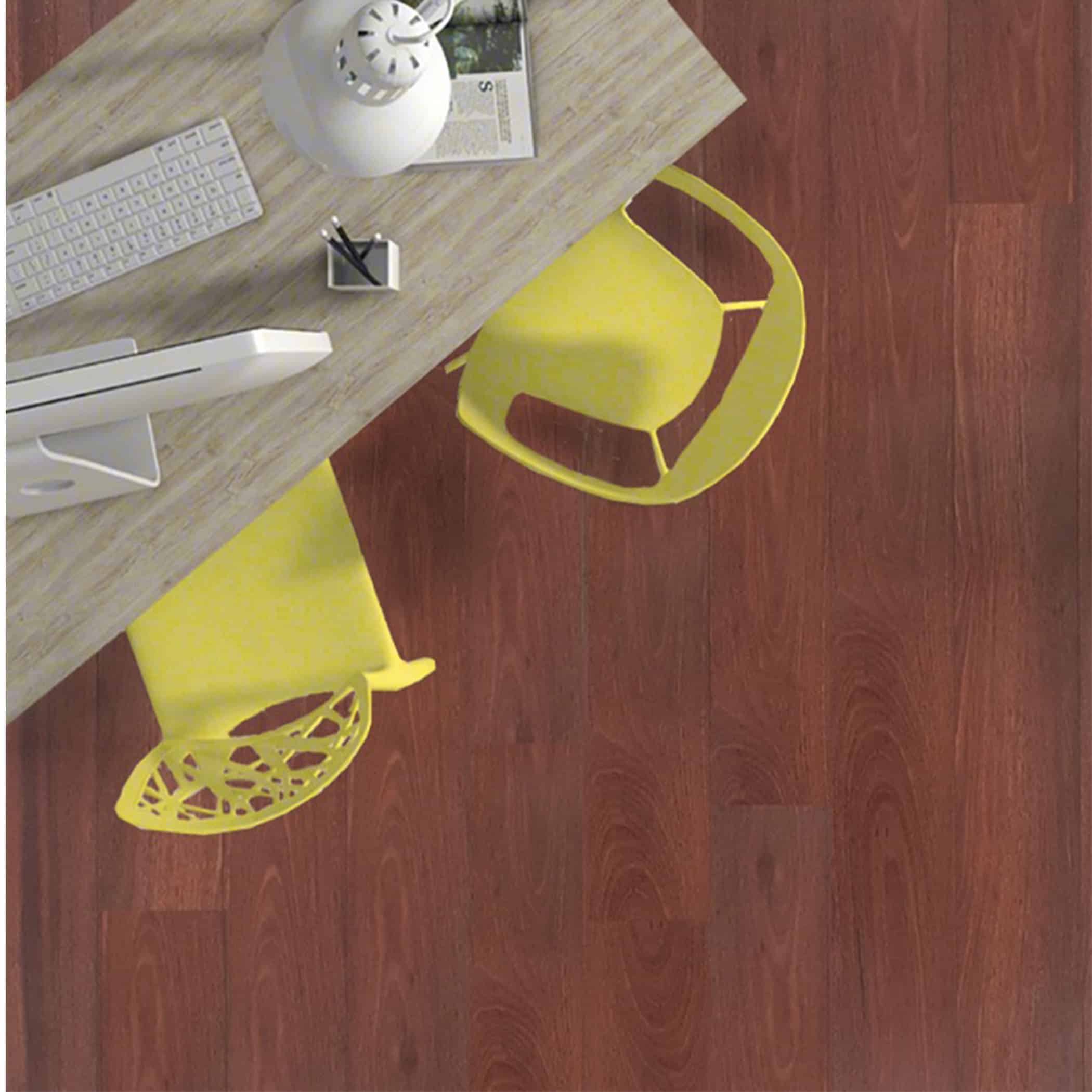
Laminate Flooring 101: What It Is, Pros and Cons, and How to Choose
Laminate flooring is a multi-layer synthetic floor: a dense fibreboard core, a photographic layer that gives it the look of real timber, and a clear melamine resin wear layer on top that does the actual work of resisting scratches and everyday wear. It’s one of the most affordable ways to get a genuine timber look,…
-
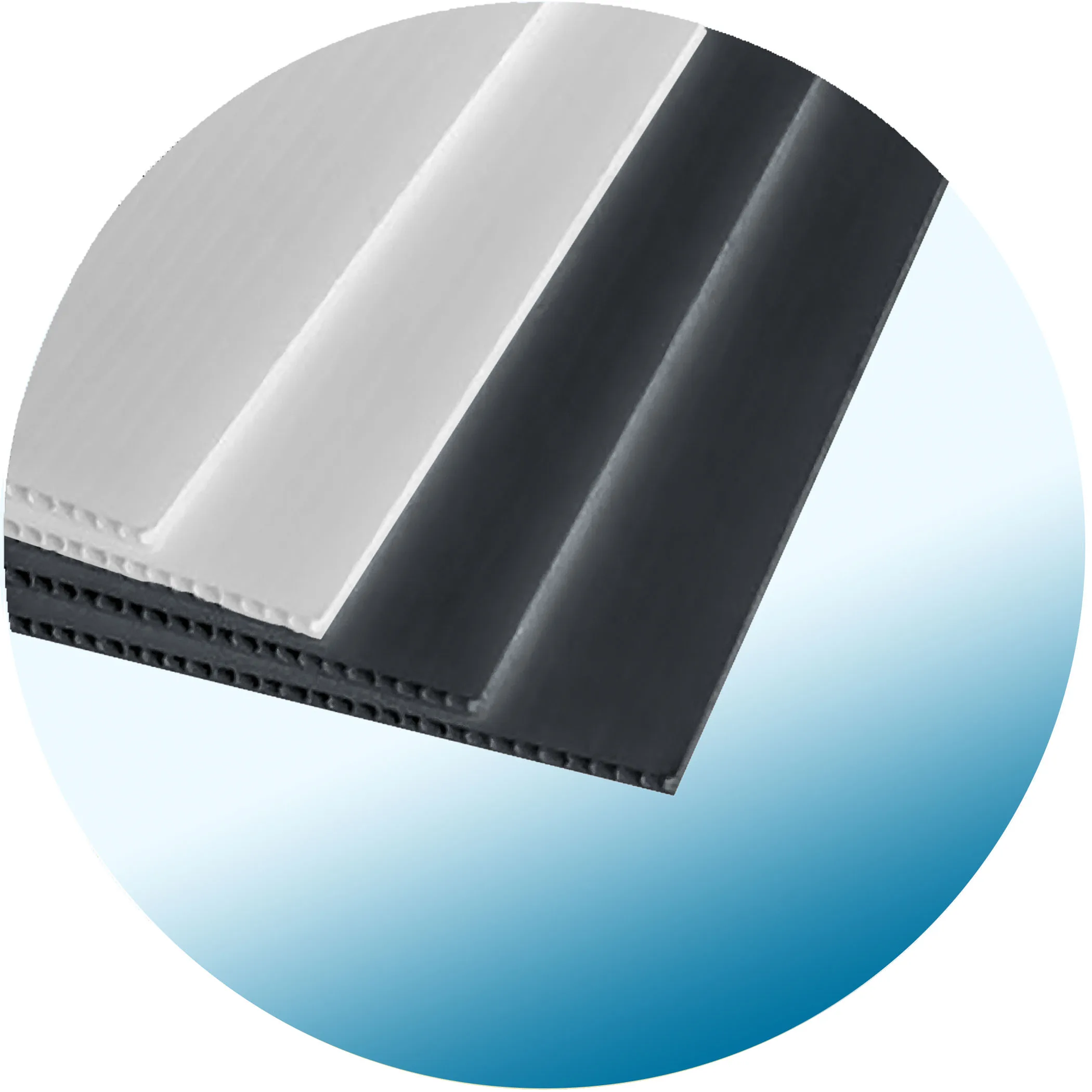
Construction & Renovation Floor Protection: How to Choose the Right Type
A new floor is one of the most expensive parts of any build or renovation, and it’s also one of the first things to take damage once trades start moving through — dropped tools, dragged materials, wet concrete splash, paint spills. Floor protection exists to absorb that damage instead of the floor underneath. The type…
-

Feature Product: The Stain Proof Range
We regularly review some of our favourite products. Today, we’re looking at Stain Proof sealers and cleaners, an excellent product with a great reputation.
-

Concrete Sealer: What You Need to Know
Concrete is a sturdy material that’s practical and affordable. In many cases, it can even be quite beautiful. Unfortunately, it’s also an extremely porous material, so using concrete sealer is an absolute must – especially if your concrete is outside. If you’re a DIY enthusiast who is laying or sealing some concrete for the first…
-

A Product Guide for DIY Pool Areas
Tiling a pool area is a great DIY project. In fact, it’s one of the most common projects that our customers ask us about. Yet there’s plenty you need to consider.
-

Here’s Why Litokol is the Best Grout for Pool Builds and Wet Areas
If you’re a pool installer or tiling professional, you’re always looking for better epoxy grout. Something that will improve your wet area builds and deliver great results for your clients. Well, look no further than Litokol.
-

The 10 Types of Screws you should know about.
It’s always important to use the right screw. There are lots of different types and sub-types of screws out there, but DIY-ers can get away with knowing just these 10.
-

The 5 Types of Sanders, and How to Choose the Right One for the Job.
Sanders are one of the most helpful power tools out there. There are plenty of jobs where sanding by hand just isn’t a viable option – it’s too tiring and too difficult to apply evenly. That’s why an electric sander is such a good investment, even for a casual DIYer. But there are a few…
-

5 Different Ways You Can Use Your Soldering Iron.
There are few power tools more versatile than the humble soldering iron. A soldering iron is a compact type of welding tool that uses high temperatures to melt solder and join two pieces of metal together in a permanent and airtight way. These nifty little tools can come in all shapes and sizes, depending on…
-

Choosing Tiles? 5 Important Things to Know.
There’s more to choosing the right tiles than just liking a colour and shape. Whether you’re gearing up for some DIY tiling, or you’re choosing a style for a professional to install, there are some important things you need to consider first. Here are the 5 most important things you need to be thinking about…