Tile Adhesives
Cement based, ready-mixed and two-part tile adhesives from Ardex, Mapei, Davco, Sika and Bonded Technologies, matched to tile size, substrate and wet or dry areas.
Delivering to
Delivery dates appear once we know the postcode. A full address is only needed at checkout.
No collection point yet. That appears once there is something in the cart, because which stores can fill an order depends on what is in it.
Finding nearby stores…
Searching…
No saved addresses yet.
Cement based, ready-mixed and two-part tile adhesives from Ardex, Mapei, Davco, Sika and Bonded Technologies, matched to tile size, substrate and wet or dry areas.
Classified
ISO 13007 codes such as C2TES1 show bond class, slip resistance on walls, open time and flexibility at a glance.
Large format
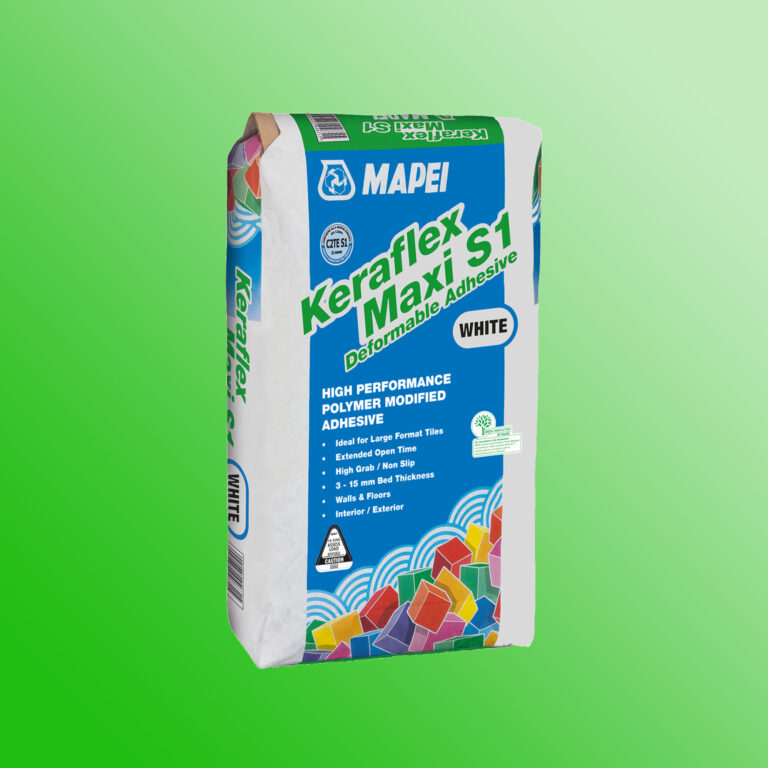
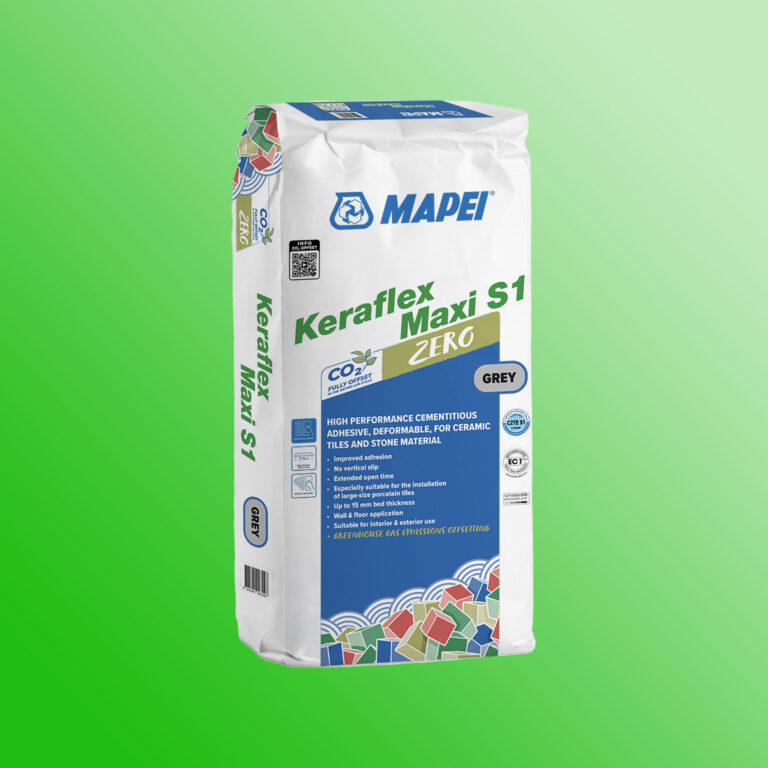
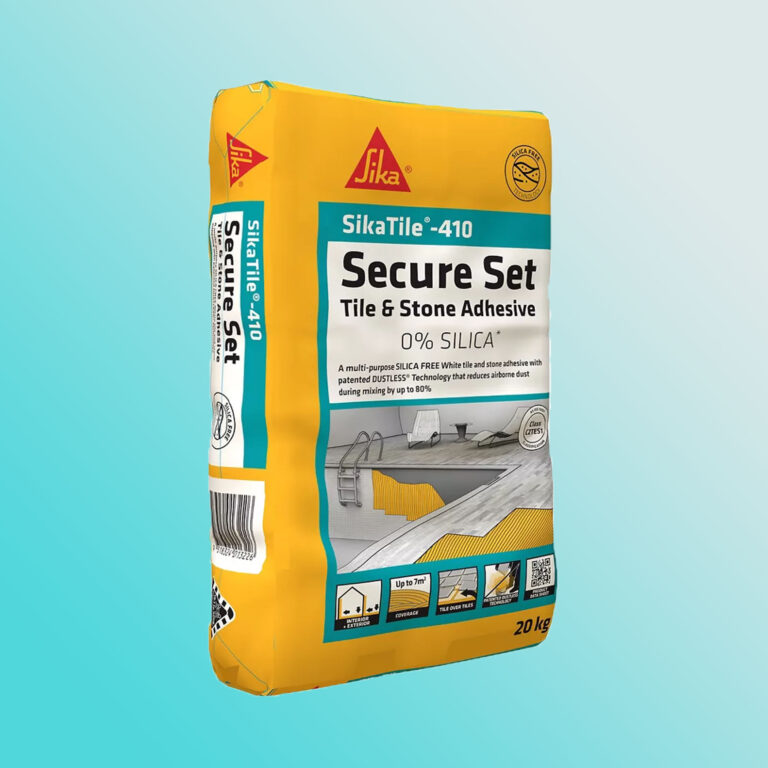
Non-slump adhesives such as Mapei Keraflex Maxi S1 and SikaTile-410 Secure Set hold large format tiles in place while they set.
Substrates
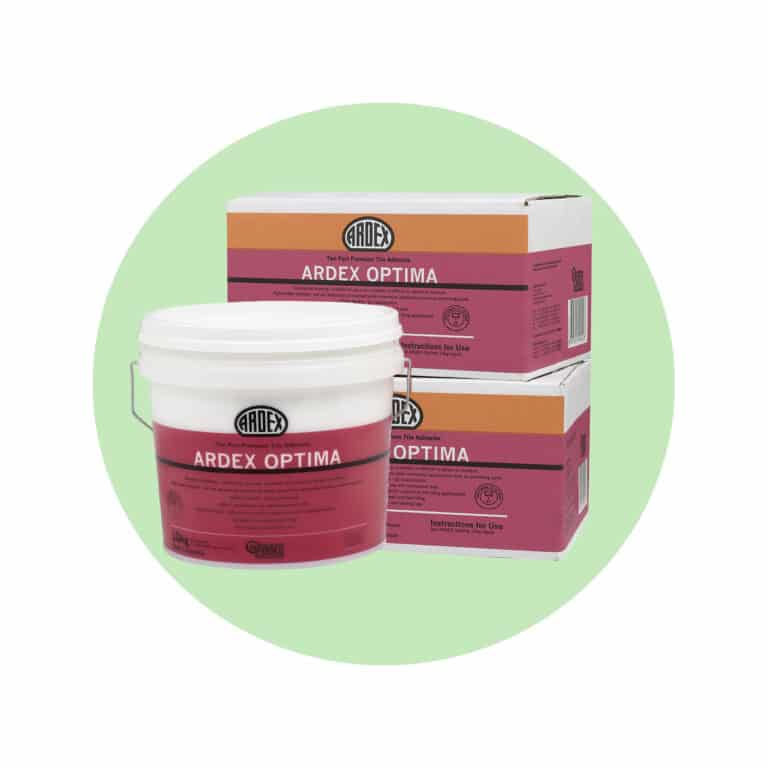
Ardex Optima bonds to sheet timber flooring, galvanised and stainless steel and existing internal vinyl tiles, where standard cement adhesives struggle.
Choice
Cement based powders suit most work, ready-mixed adhesives suit interior walls, and two-part systems handle demanding substrates.
Tile adhesive is the bonding layer between a tile and the surface behind it, known as the substrate. The right choice depends on the size and weight of the tile, what it is being fixed to, and whether the area is inside, outside or wet.
Most adhesives carry a code under ISO 13007. C means cement based, D is a ready-mixed dispersion adhesive, often called a mastic, and R is a reaction resin such as epoxy or polyurethane. Class 1 is a normal adhesive and class 2 an improved one. T means tiles resist sliding down a wall, and E means an open time of at least 30 minutes. S1 or S2 means the set adhesive can flex with small substrate movement, with S2 the more flexible.
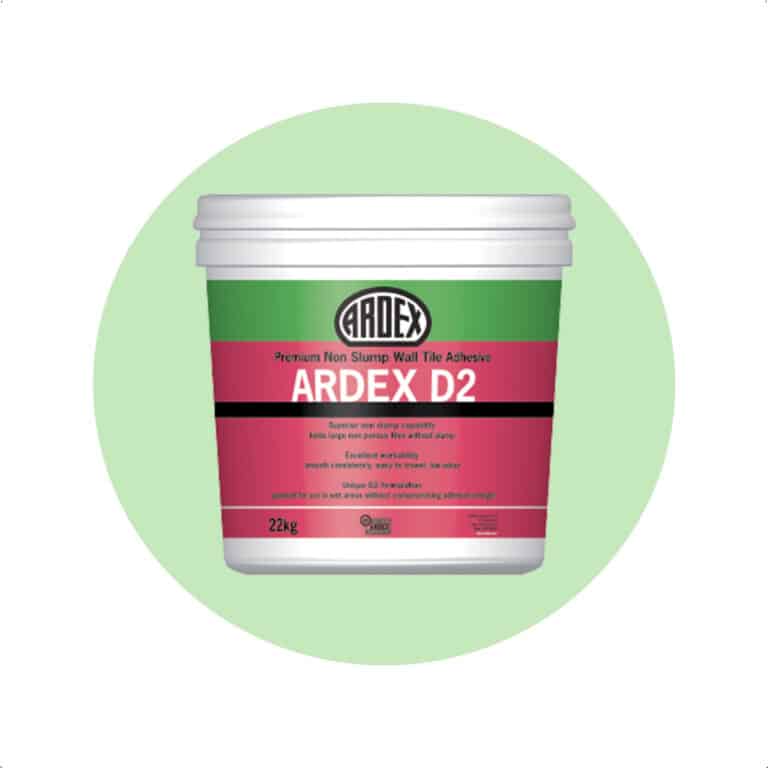
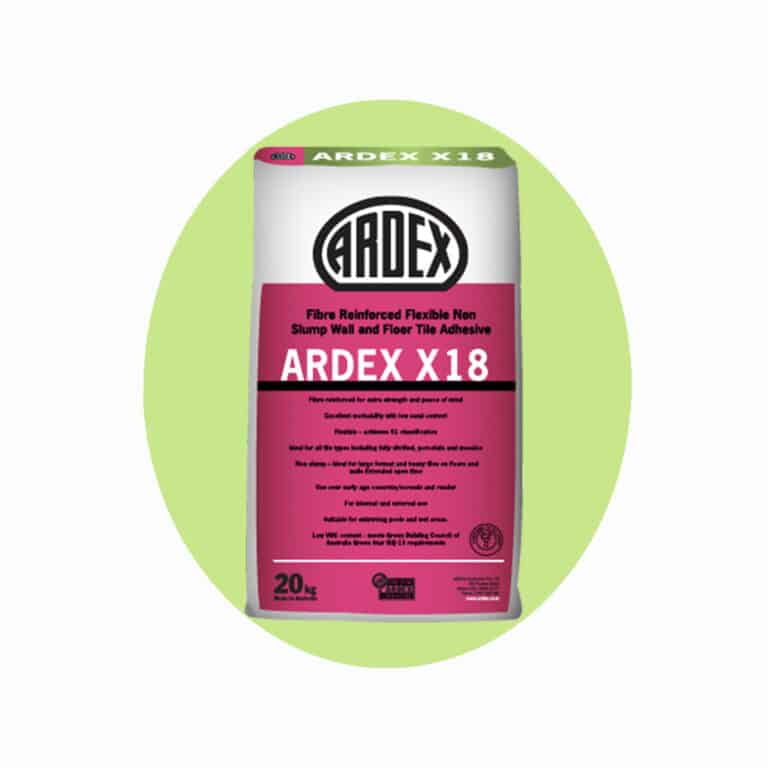
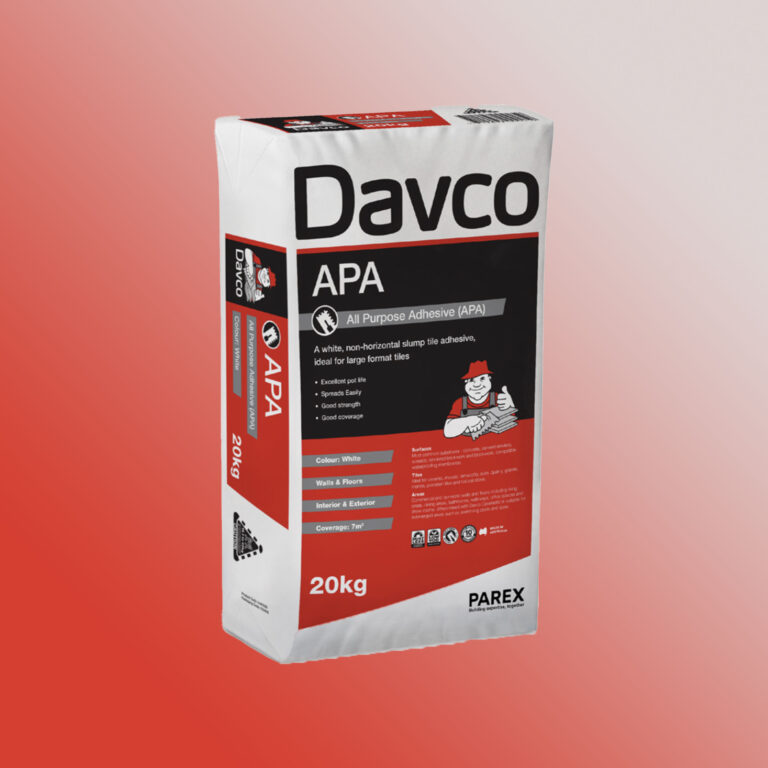
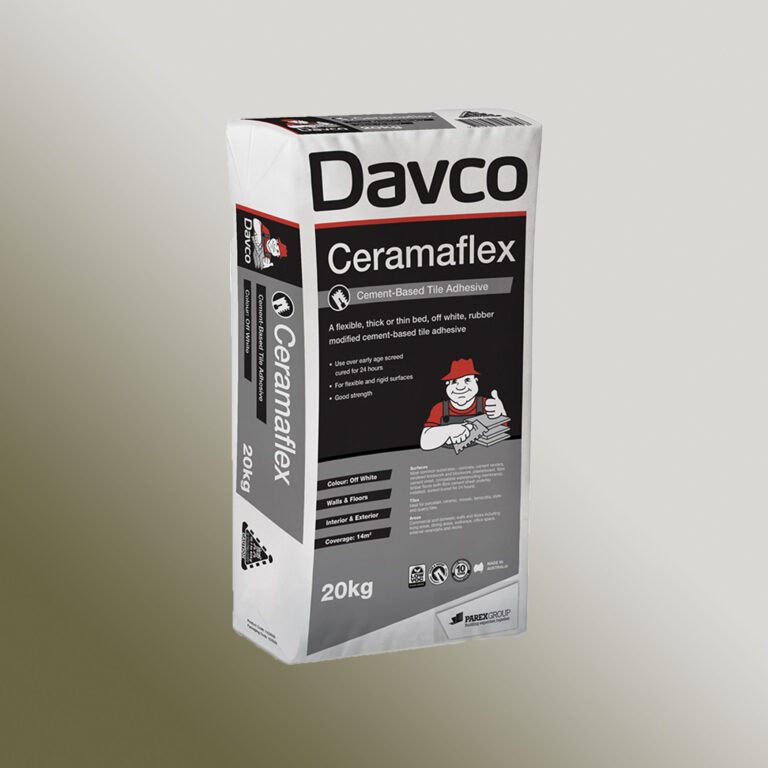
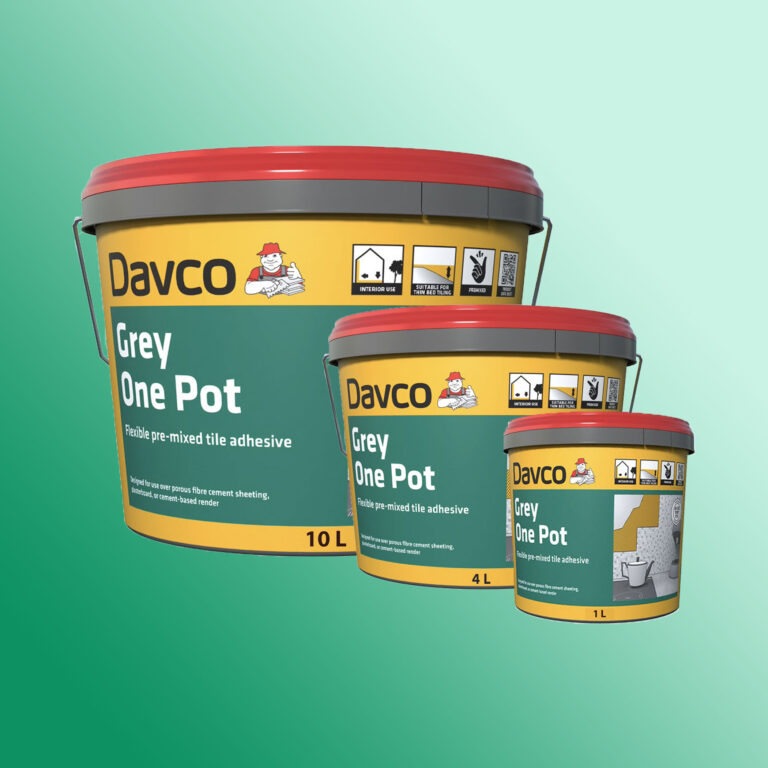
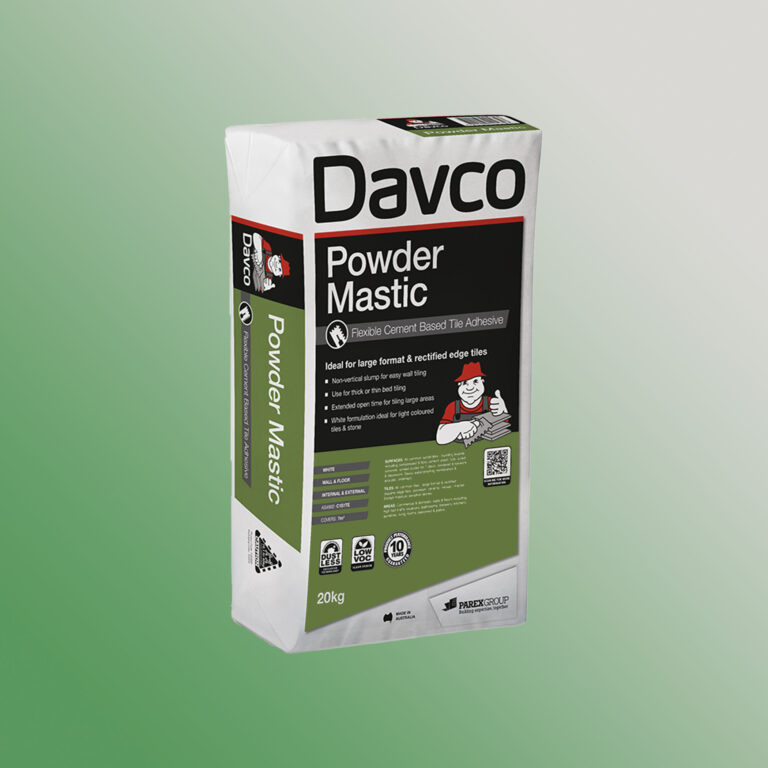
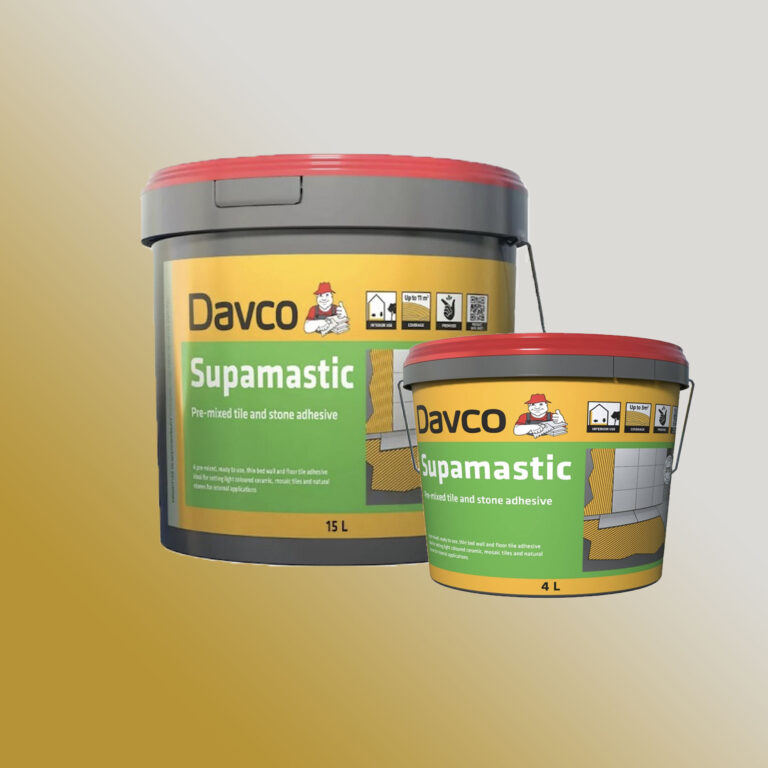
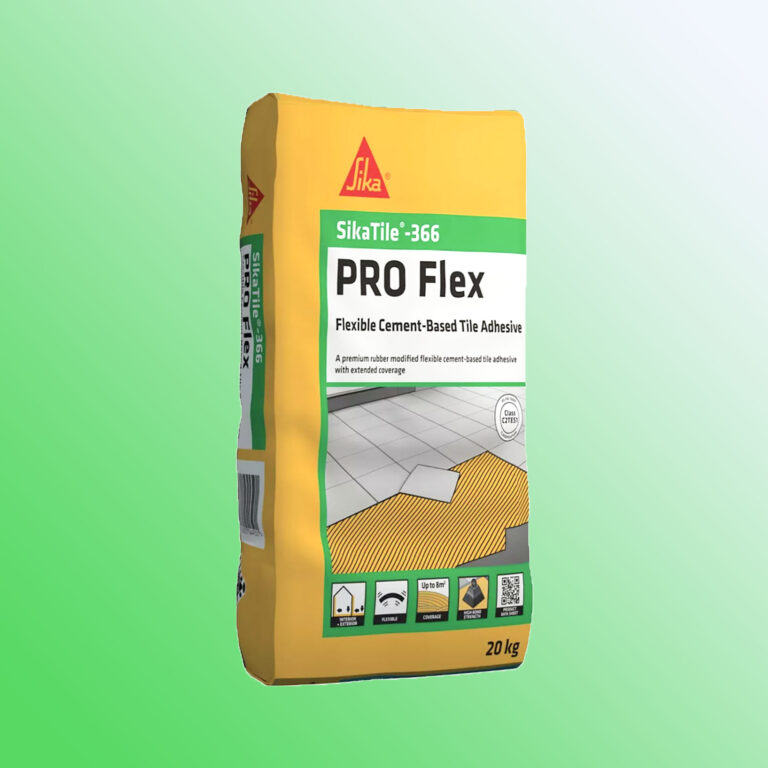
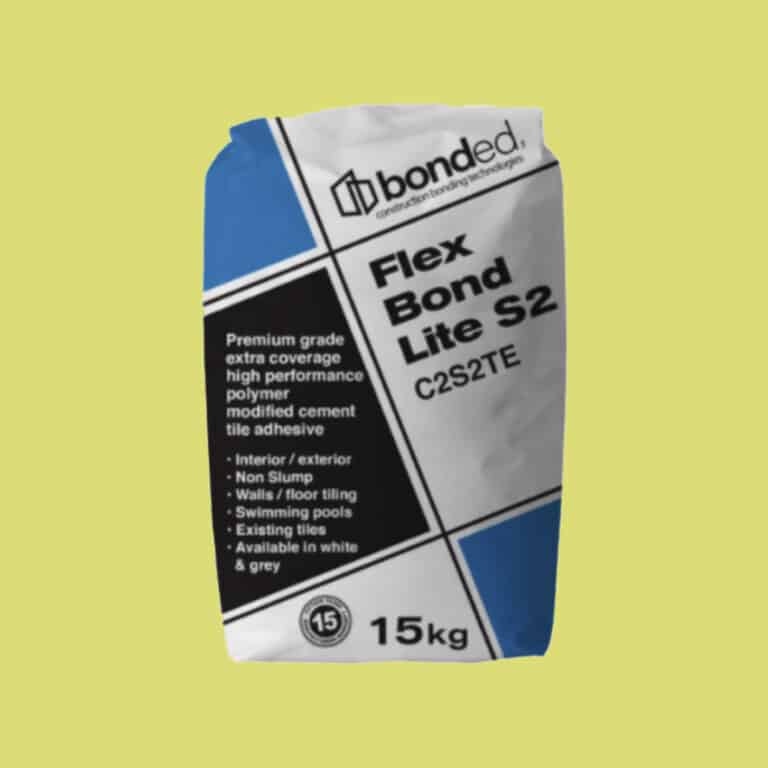
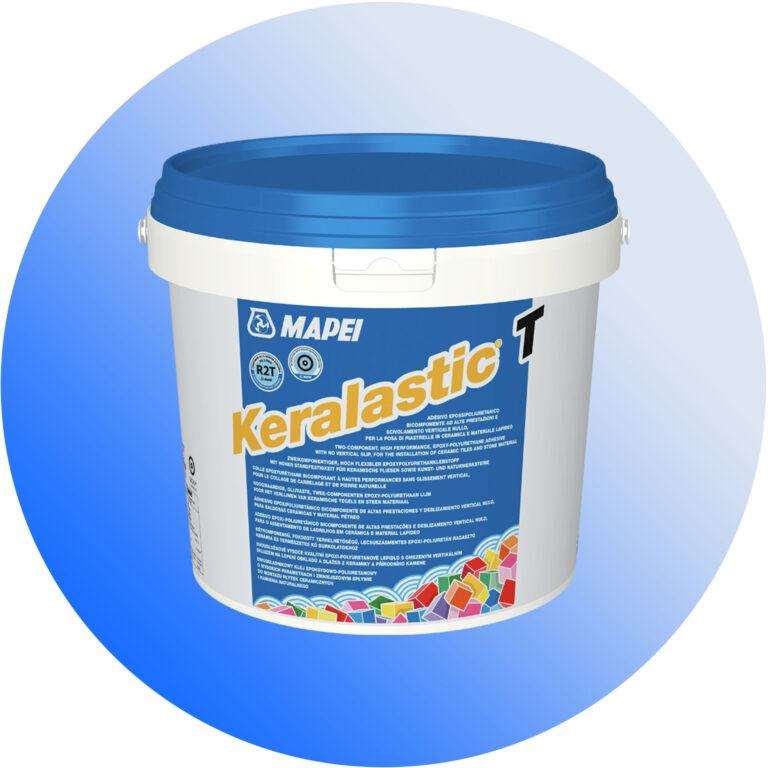
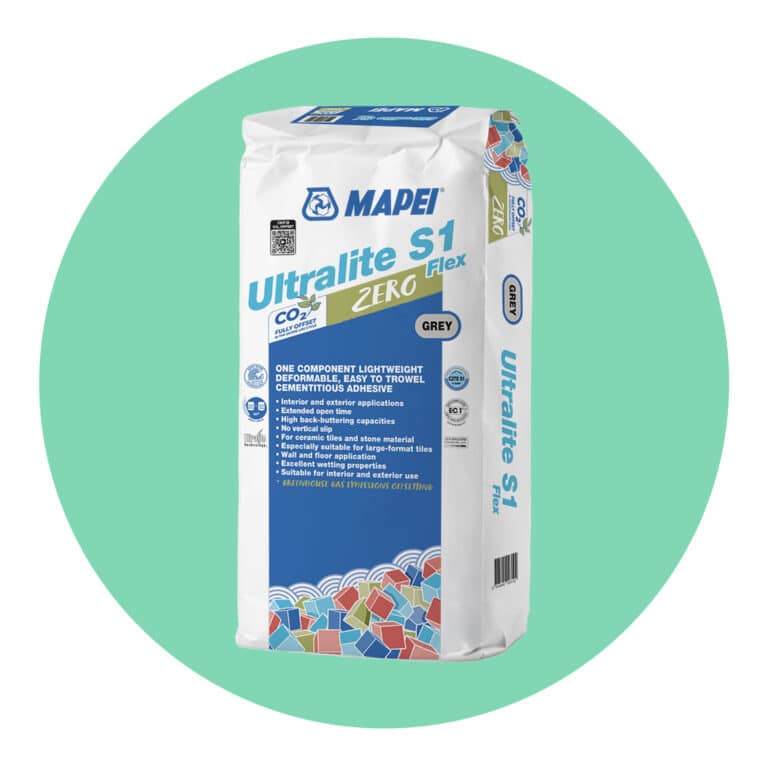
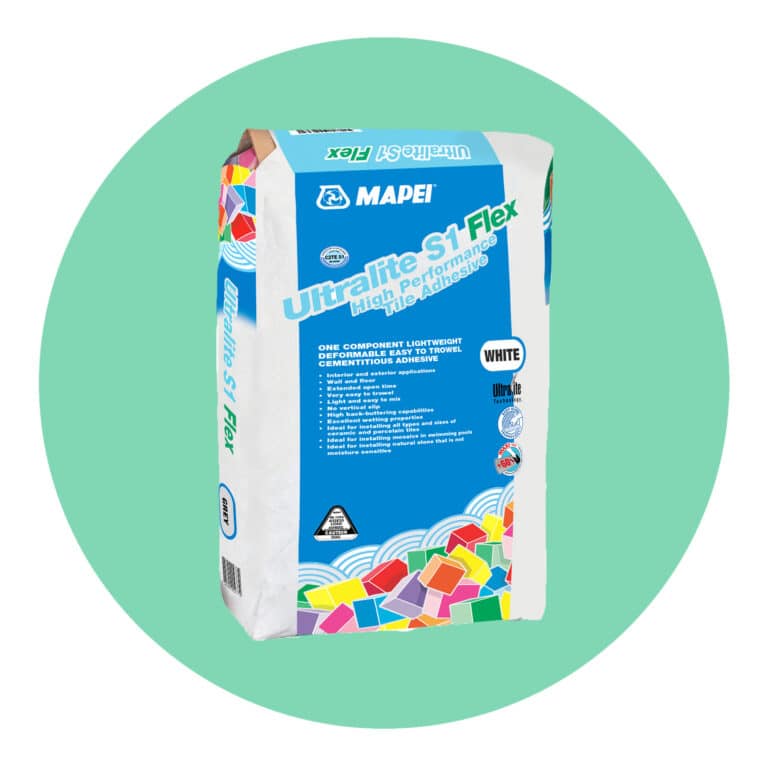
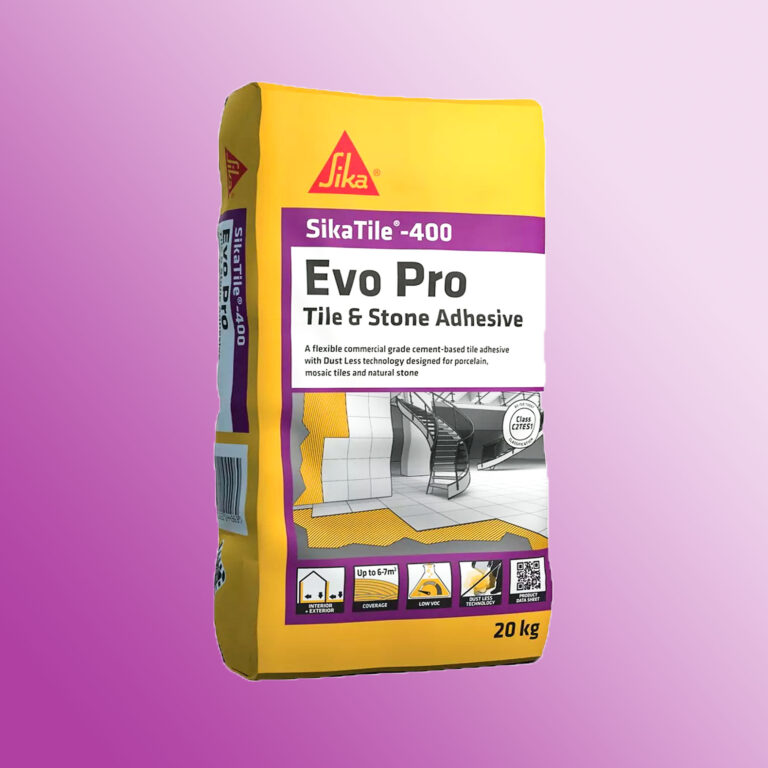
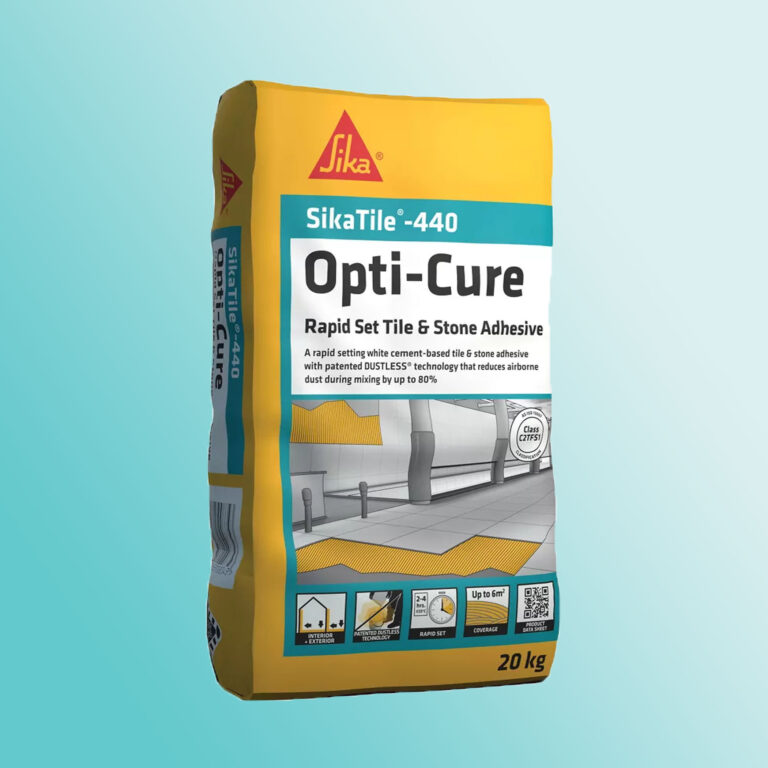
Mapei Ultralite S1 Flex, Mapei Keraflex Maxi S1 and Ardex X18 are classified C2TES1, and Ardex Optima is C2 TE S2. Davco Powder Mastic is C1TES1 and Davco Supamastic is D1TE. Davco Grey One Pot and Ardex D2 Wall Tile Adhesive are ready to use, and Mapei Keralastic T is a two-part polyurethane. SikaTile-400 EVO PRO and SikaTile 366 ProFlex are C2TES1 and SikaTile-440 Opti-Cure is C2TFS1, while Bonded Technologies FlexBond Lite S2 is C2S2TE. Davco Ceramaflex is C1S1E, so it is a normal rather than an improved adhesive, and Davco Westflex publishes no classification at all. SikaTile-410 Secure Set and Davco APA complete the range.
Common Questions
They are ISO 13007 codes. C means cement based. Class 1 is a normal adhesive, and class 2 passes the same tests at higher levels. S1 means the set adhesive can deform at least 2.5mm without failing, and S2 at least 5mm, so S2 copes with more movement. T adds slip resistance on walls and E an open time of at least 30 minutes.
Choose an improved, flexible cement based adhesive made for large format tiles, such as Mapei Ultralite S1 Flex, Mapei Keraflex Maxi S1 or SikaTile-410 Secure Set. Porcelain is dense and large tiles are heavy, so full contact matters. Ardex recommends back-buttering, a thin 1 to 2mm coat on the back of the tile, especially with large format tiles. Check each data sheet for tile size limits.
Ardex gives around 3 to 5mm of compressed adhesive for standard work, and a practical maximum of about 8 to 10mm for products designed to go thicker. Individual products set lower limits, such as 8mm total bed for Ardex Optima, so check the data sheet. Premixed mastics are typically limited to around 2 to 3mm. Adhesive is a bonding layer, not a leveller, so correct an uneven floor first. When planning finished heights, allow for the adhesive bed as well as the tile.
Some are made for it, within limits. Davco Grey One Pot suits interior domestic walls and porous floors in bathrooms, kitchens and laundries, but not over waterproofing membranes, concrete or existing tiles, so check what the surface is first. Davco Supamastic suits interior walls and dry area floors, and Ardex D2 Wall Tile Adhesive is approved for internal wet area walls but not floors of any kind or continuous immersion such as pools. A shower floor is tiled over a membrane, so that job needs a cement based adhesive rated for it.
White adhesives stop grey showing through pale or translucent stone. Davco Powder Mastic and SikaTile-410 Secure Set are white and suited to natural stone that is not moisture sensitive. Moisture sensitive stone needs care, and Davco APA and Davco Supamastic are not suitable for it. Green marble is the strictest case: Mapei excludes it from their rapid-set adhesive and calls for a reaction resin such as the two-part Mapei Keralastic T. Davco Ceramaflex lists slate, terracotta and quarry tiles, and sets a deflection limit for natural stone, so check the data sheet against your stone. Ask us before fixing stone.
Our team can help you match an adhesive to your tile, substrate and area across the Ardex, Mapei, Davco and Sika ranges. Get in touch for expert advice and product data sheets.
Get in touch for expert advice, samples and trade pricing.
Added to cart
View cart