Description
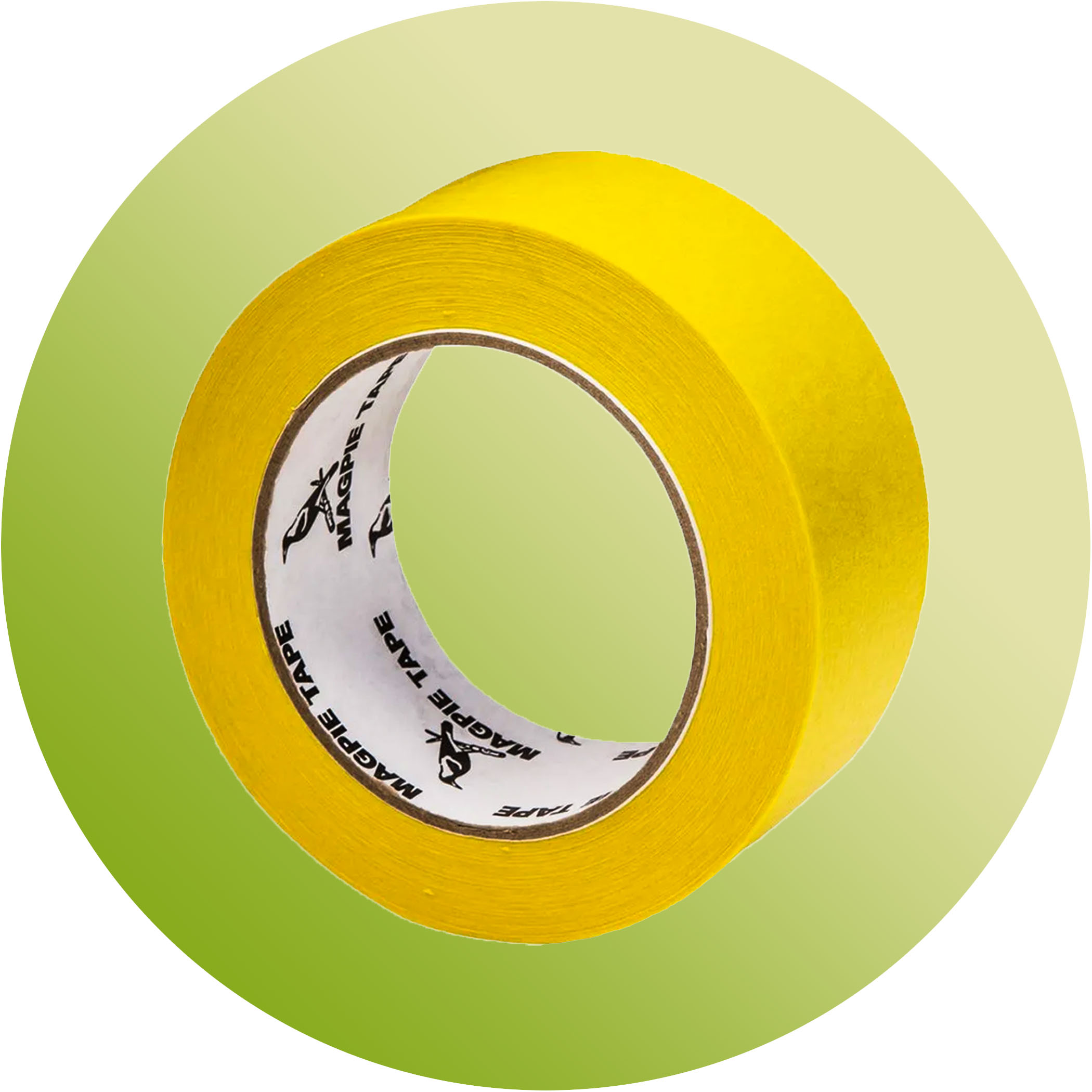
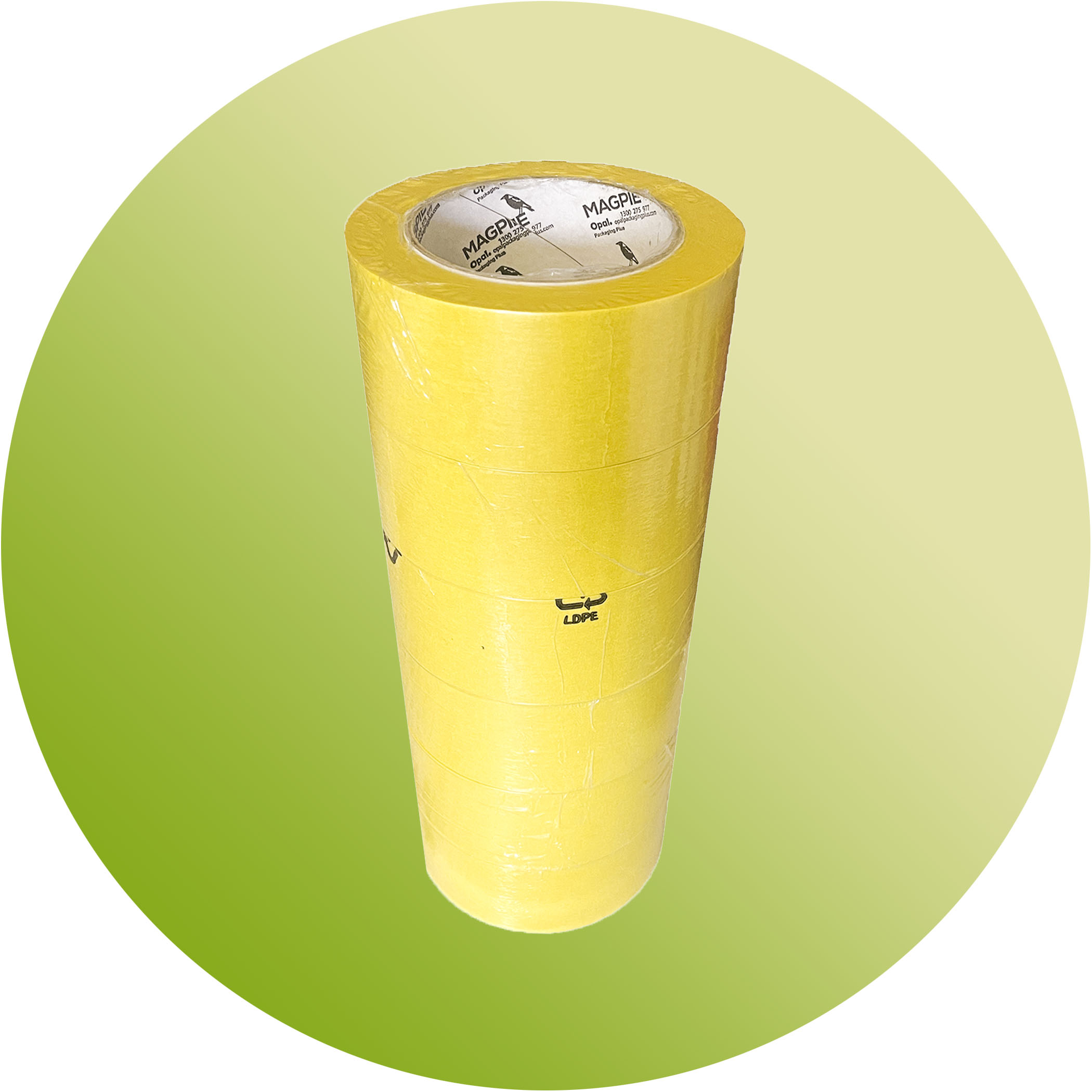
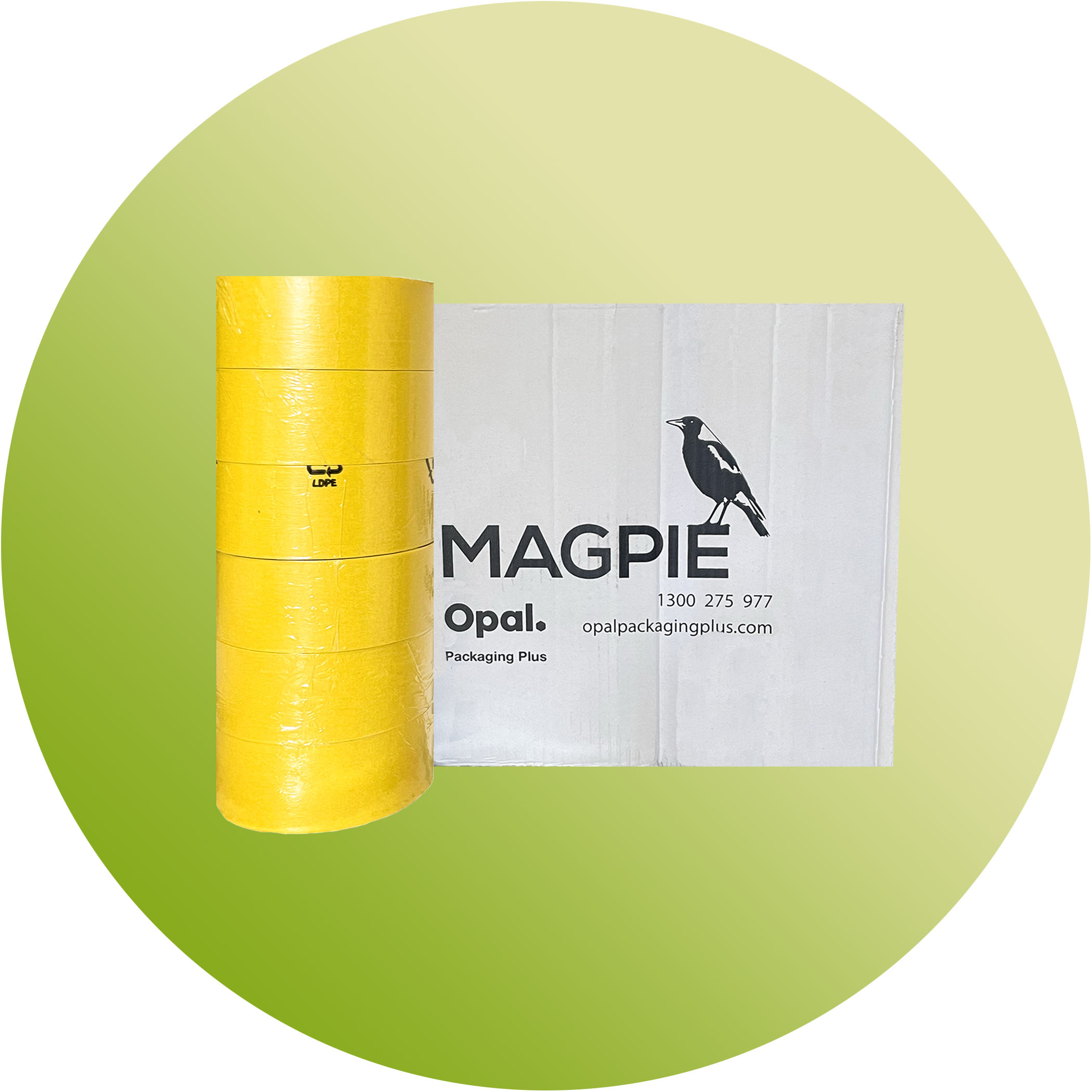
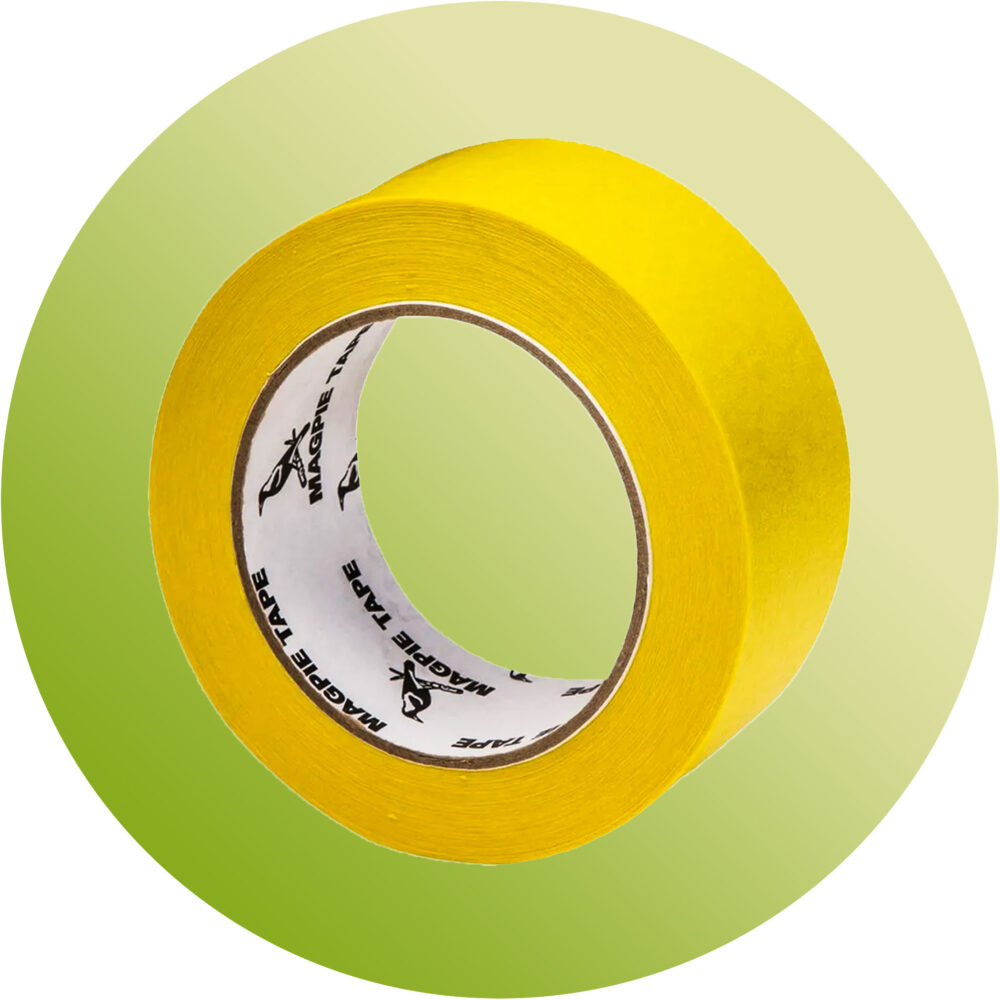
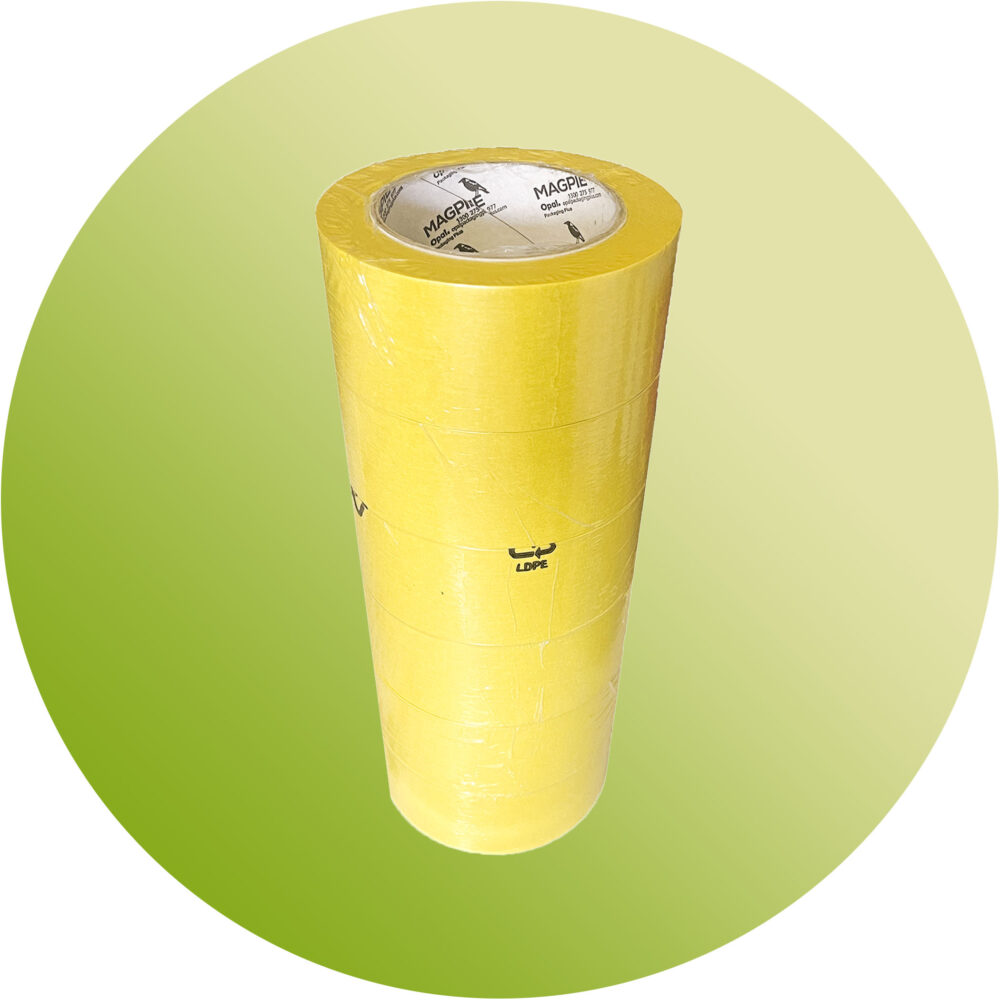
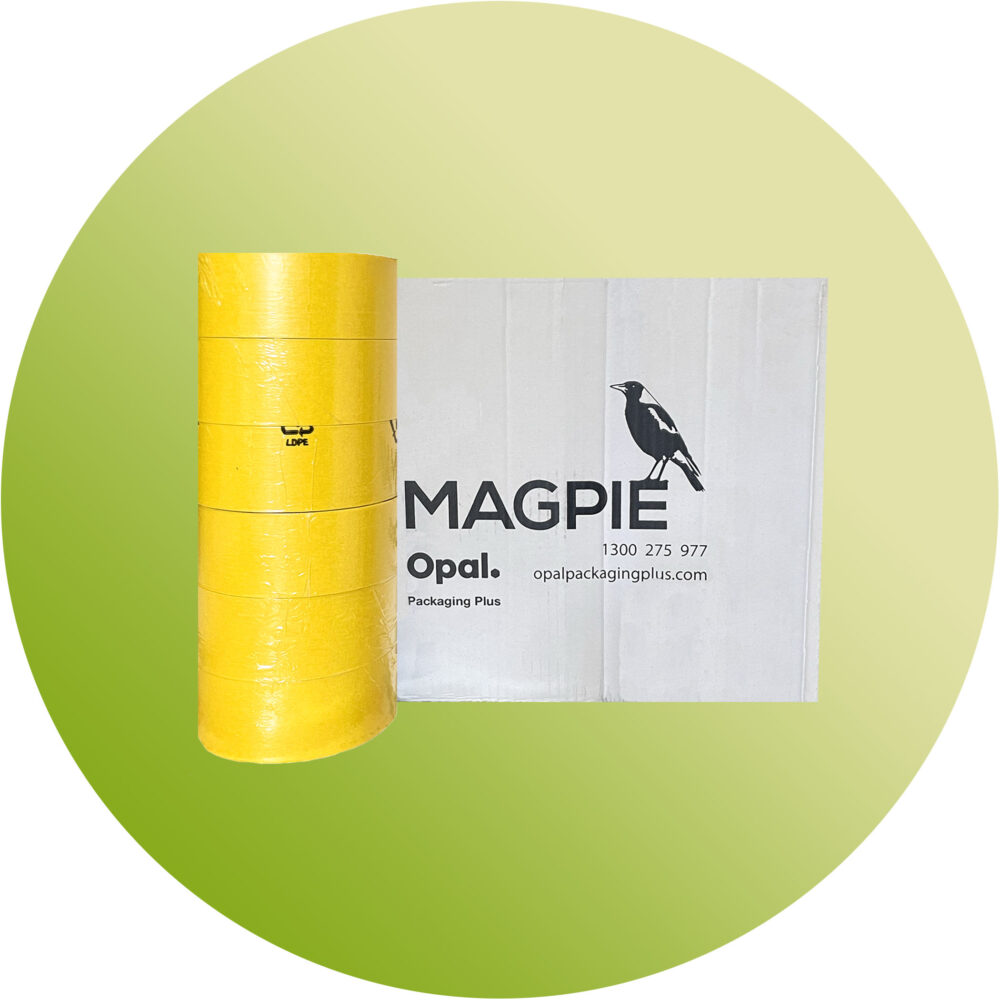
Magpie Waterproof Masking Tape is a 63gsm yellow saturated crepe paper tape built for genuinely demanding masking work, not just light-duty painting jobs. Its water resistance and heat rating — up to 90°C for up to 30 minutes — are what make it a trusted choice among panel beaters and auto painters, who need a tape that survives solvent exposure, moisture and the heat of bake cycles or infrared drying without curling, lifting or splintering.
The rubber solvent adhesive is engineered for a specific balance: high tack and instant adhesion while masking, but clean, mess-free removal afterward across car bodies, plastic, glass and rubber. That combination matters most on a finished paint job, where adhesive residue left behind by a lower-grade tape can mean extra clean-up work or even surface damage during removal.
Technical Specifications
| Material | 63gsm yellow saturated crepe paper |
|---|---|
| Adhesive | Rubber solvent adhesive |
| Temperature resistance | Up to 90°C for up to 30 minutes |
| Roll size | 48mm x 50m |
| Supplier code | 31201500 |
Where to Use
- Automotive masking — car bodies, plastic, glass and rubber vehicle parts
- Panel beating and auto painting, including bake-cycle and infrared drying processes
- General masking work requiring waterproof, heat-resistant tape
How to Apply
- Clean the surface — ensure the area to be masked is clean and dry.
- Apply the tape — press firmly along the masking line, taking advantage of its conformability on curved or irregular surfaces.
- Complete the work — paint, spray or apply heat treatments as required, within the tape’s 90°C/30-minute temperature rating.
- Remove cleanly — peel away once work is complete, without leaving adhesive residue.
Important Notes
- Rated for up to 90°C for up to 30 minutes — confirm this suits the specific bake or drying cycle being used.
- Designed for automotive and general masking use rather than long-term outdoor exposure.
The 63gsm crepe paper weight is a deliberate middle ground: heavy enough to resist tearing during removal, but light and conformable enough to follow the curves of a car body panel without lifting at the edges. A too-heavy tape struggles to conform to curved surfaces, while a too-light tape tears during removal and leaves fragments behind — getting that balance right is what separates a genuinely automotive-grade masking tape from a general-purpose one repurposed for the job. That balance is exactly what a genuinely automotive-grade tape is engineered to hold. Getting that spec right the first time avoids a redone paint job over a preventable masking failure.