Description
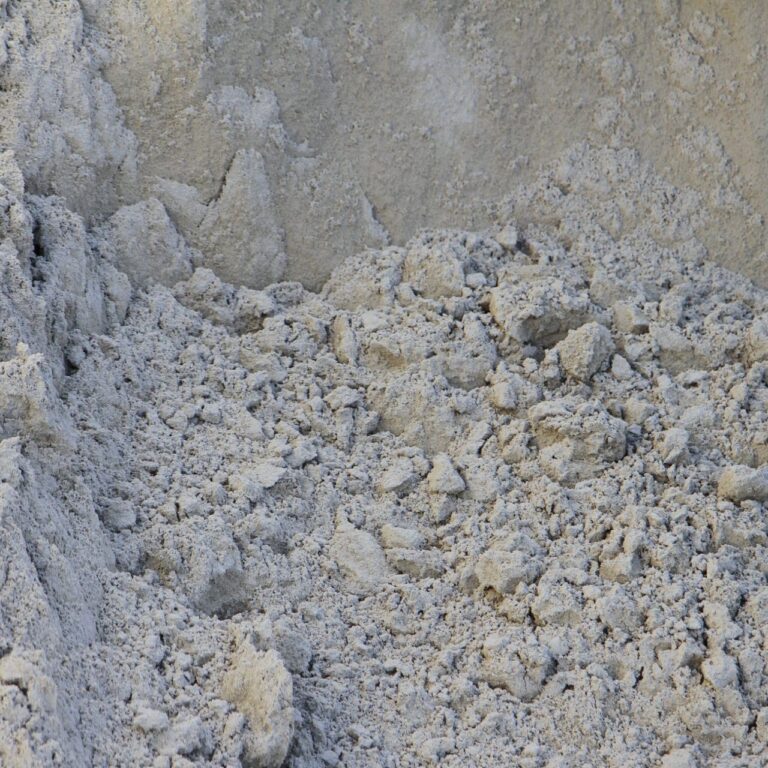
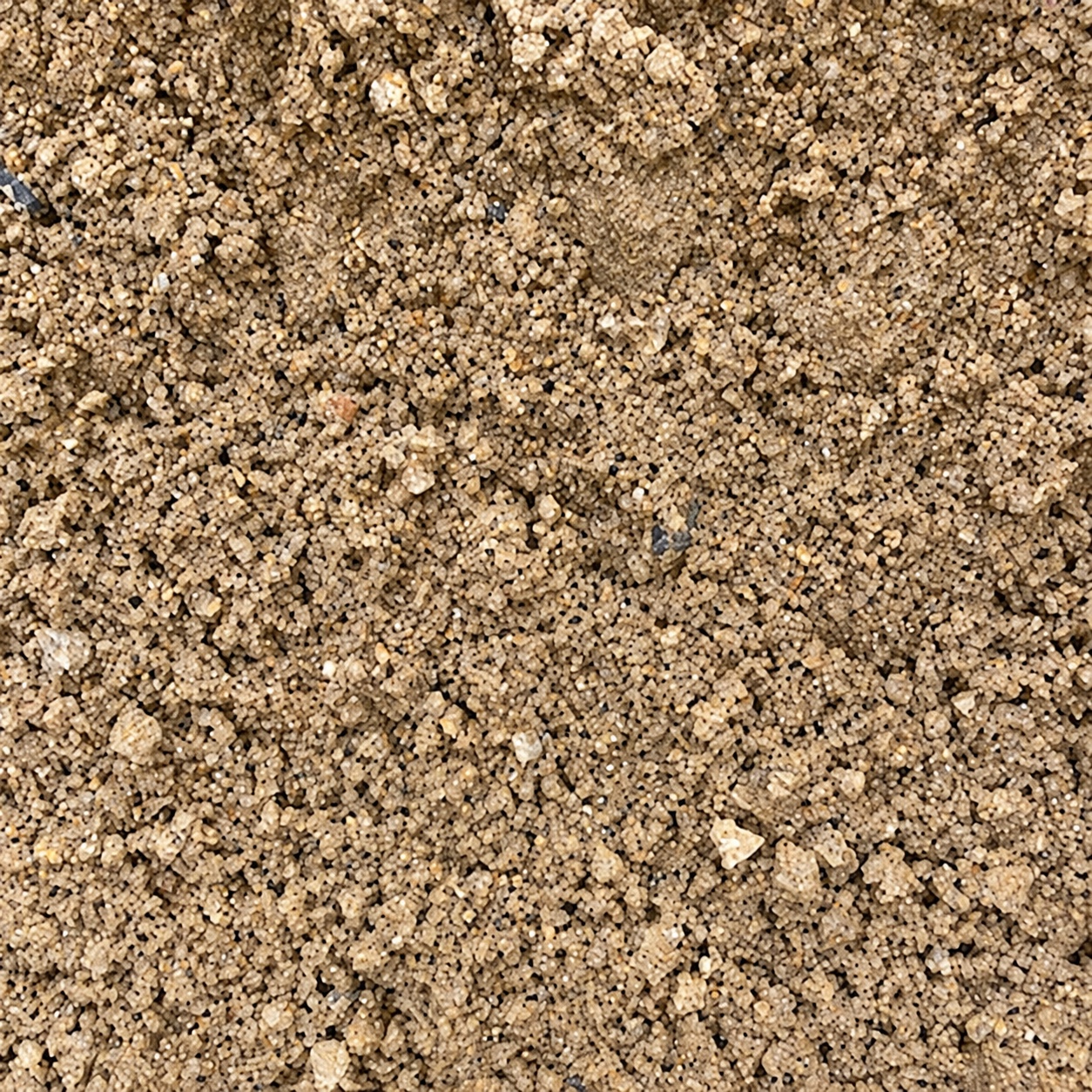
Granite Sand is crushed granite fines. Unlike a washed building sand with rounded grains, its particles are angular and include fines, so a layer of it locks together under a plate compactor or hand tamper into a firm surface. That makes it one material for three jobs: a path or informal driveway topping, a bedding layer for pavers and stepping stones, and a levelling layer under synthetic turf.
As a path surface it gives a natural, fine-textured finish that is easy to rake back into shape. As a bedding layer it screeds level and holds its shape while pavers are placed. Collection is from the Keilor East yard, with delivery offered at checkout to postcodes the yard covers.
Technical Specifications
| Material | Crushed granite fines |
|---|---|
| Particle shape | Angular, with fines; compacts firm |
| Typical depth | 50mm compacted as a path topping; 20 to 30mm as paver bedding |
| Approximate weight | 1.5 to 1.6 tonnes per cubic metre |
| Sold as | Loose, by the cubic metre in quarter-m3 steps |
| Availability | Keilor East yard; delivery at checkout where offered |
Coverage Rates
| Depth | 0.25 m³ | 0.5 m³ | 0.75 m³ | 1 m³ |
|---|---|---|---|---|
| 25mm (paver bedding) | about 10 m² | about 20 m² | about 30 m² | about 40 m² |
| 50mm (path topping) | about 5 m² | about 10 m² | about 15 m² | about 20 m² |
| 75mm | about 3 m² | about 7 m² | about 10 m² | about 13 m² |
These are loose-volume figures (volume divided by depth). Allow an extra 10 to 15 percent for the settlement that comes with compacting.
Where to Use
- Garden paths and informal driveways as a compacted topping
- Bedding layer under pavers, stepping stones and paving slabs
- Levelling and base layer under synthetic turf
- Levelling under sheds and cubby houses; for water tanks, follow the tank maker’s base requirements
- Filling and firming low spots before a finished surface goes down
How to Apply
- Excavate and edge – dig out to the finished level plus the topping depth, and fit edging so the fines cannot migrate into lawn or beds.
- Compact the base – firm the subgrade, or for driveways lay and compact a crushed rock base first.
- Spread in a layer – for a path, spread about 60mm loose to finish near 50mm compacted; for paver bedding, screed 20 to 30mm level.
- Dampen and compact – lightly wet the layer and compact with a plate compactor or hand tamper; damp fines lock together far better than dry ones.
- Grade for drainage – give paths a slight fall so water runs off rather than pooling.
- Finish – lay pavers or turf on a bedding layer, or rake a path surface smooth and compact a final time.
Choosing Between Fine Bedding Materials
- Granite Sand: coarser crushed granite fines, used for path toppings as well as bedding.
- Granite Dust: a grey and white crushed granite that screeds smooth.
- Stone Dust 3mm and 5mm: graded fines, often chosen for bedding and filling joints.
Important Notes
- It is heavy: a full cubic metre is around 1.5 to 1.6 tonnes, so a quarter cubic metre is roughly 400 kg. Check your trailer’s payload on its compliance plate before choosing a quantity.
- Allow roughly 10 to 15 percent extra volume for compaction when calculating path quantities.
- Ordered by the cubic metre in quarter steps: a quarter, half or three-quarter load is fine for smaller jobs.
- Fine dust from stone and sand can contain crystalline silica, so dampen the load before spreading, don’t dry-sweep it, and wear a P2 mask if it is dusty. See Safe Work Australia for more on silica safety.