Description
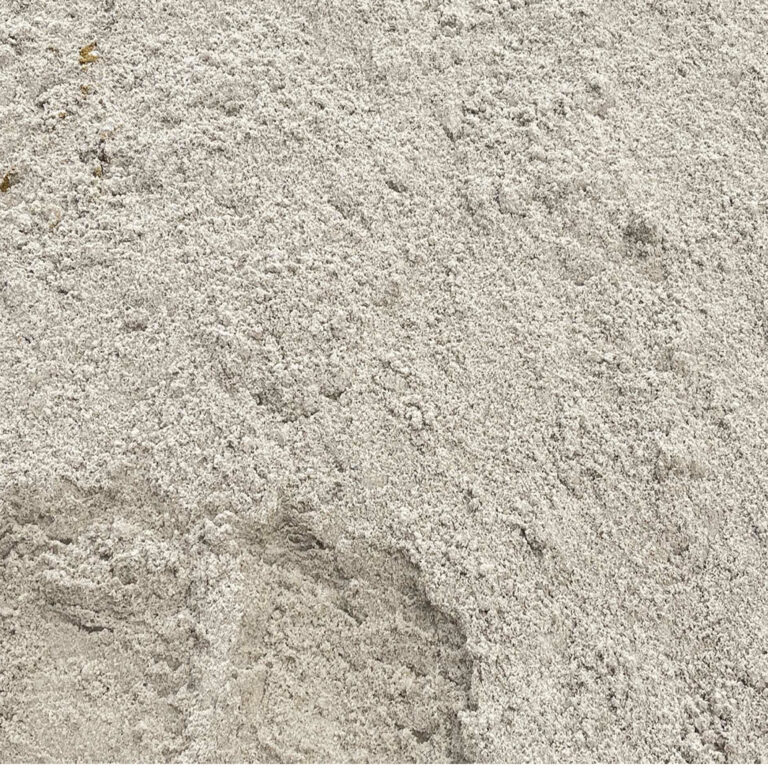
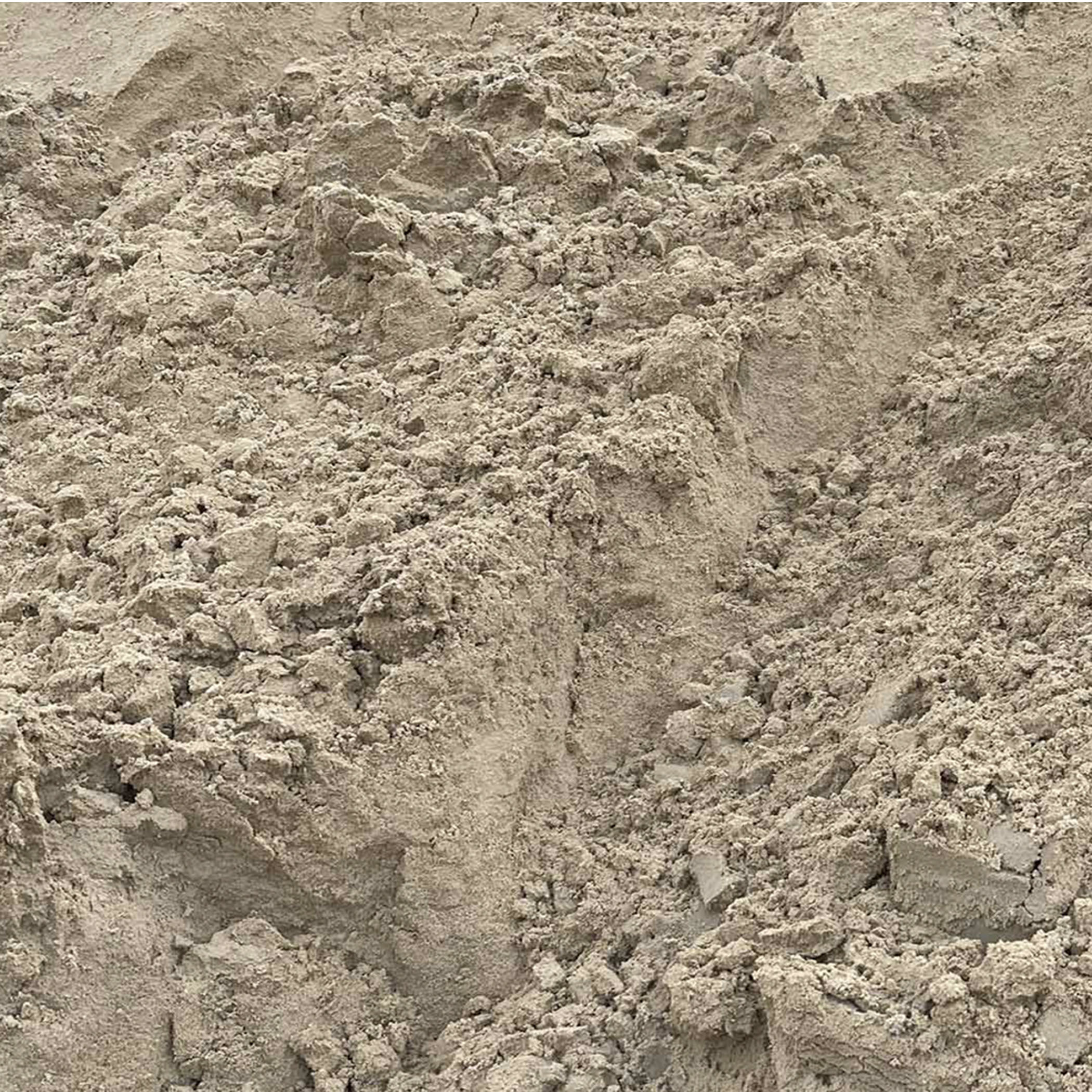
Super White Brick Sand is a fine, clean sand used mainly for bricklaying and mortar mixing. Its very light colour gives a pale mortar joint, which suits light bricks, stone and white-set finishes.
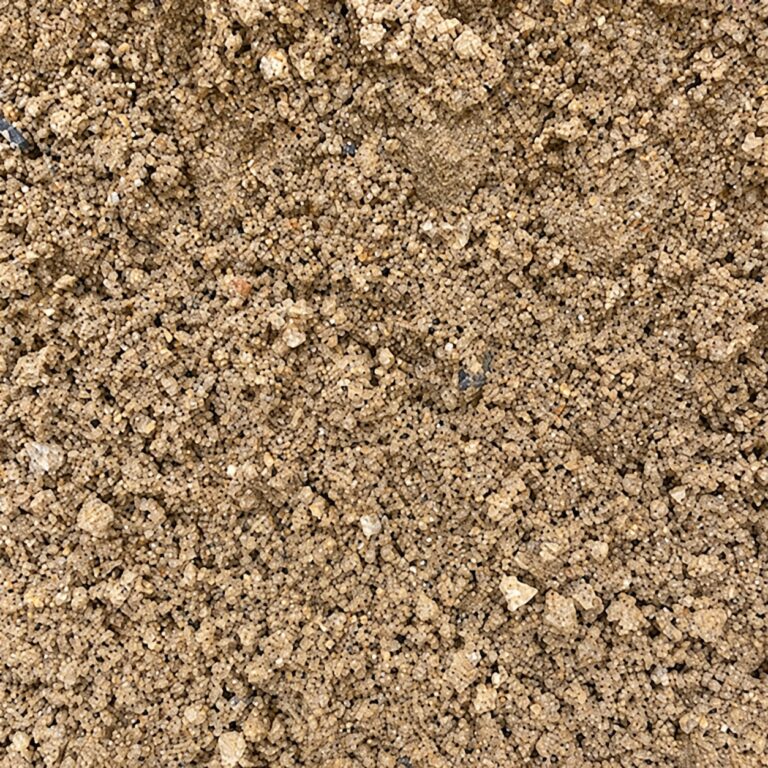
It sits alongside White Brick Sand (Nyora) and Lang Lang Yellow Brick Sand. All three are bricklaying sands; the choice usually comes down to the joint colour you want.
It is a fine mortar sand, not a concrete sand: use Concrete Sand for slabs and footings. Collect enough for the whole job in one load so the joint colour stays consistent from the first course to the last.
Technical Specifications
| Material | Fine, clean sand |
|---|---|
| Colour | Very light white |
| Application | Bricklaying and mortar mixing |
| Sold as | Loose, by the cubic metre in quarter-m3 steps |
| Collection | Pickup from Keilor East, Melbourne |
Where to Use
- Bricklaying mortar mixes
- General masonry work
- Applications needing a fine, light-coloured, clean sand
How to Apply
- Measure the mix ratio – follow the required sand-to-cement ratio for the mortar being mixed.
- Combine dry ingredients – mix the sand and cement thoroughly before adding water.
- Add water gradually – mix to a workable, consistent mortar consistency.
- Use within the mortar’s working time – apply before the mix begins to set.
- Store remaining sand dry – keep unused sand covered and dry between uses.
Important Notes
- Made for bricklaying and mortar work, not concrete mixes.
- Very light colour, for walls where a pale mortar joint matters.
- Pickup from Keilor East (Melbourne). Sold loose by the cubic metre in quarter-m3 steps; part loads of a quarter, half and three-quarter cubic metre are available.
- Sand is heavy: roughly 1.5 to 1.6 tonnes per cubic metre, so a quarter cubic metre is about 400 kg. Check the trailer’s load rating before choosing a full load.
- Crushed stone and sand contain crystalline silica. Keep the material damp when spreading or sweeping, avoid breathing the dust, and wear a P2 mask if it is dry and dusty.
- When mixing with cement: cement is alkaline and can burn skin and eyes. Wear gloves, eye protection and a P2 mask, and wash it off skin promptly.
- Further reading: Mortar (Wikipedia).