Description
Sika’s Sikaflex Fillet is a polyurethane sealant purpose-built for forming fillet joints, the rounded sealant bead used at internal angles where two surfaces meet, such as a wall-to-floor junction in a wet area or a construction joint that needs a neat, durable seal rather than a straight caulking line.
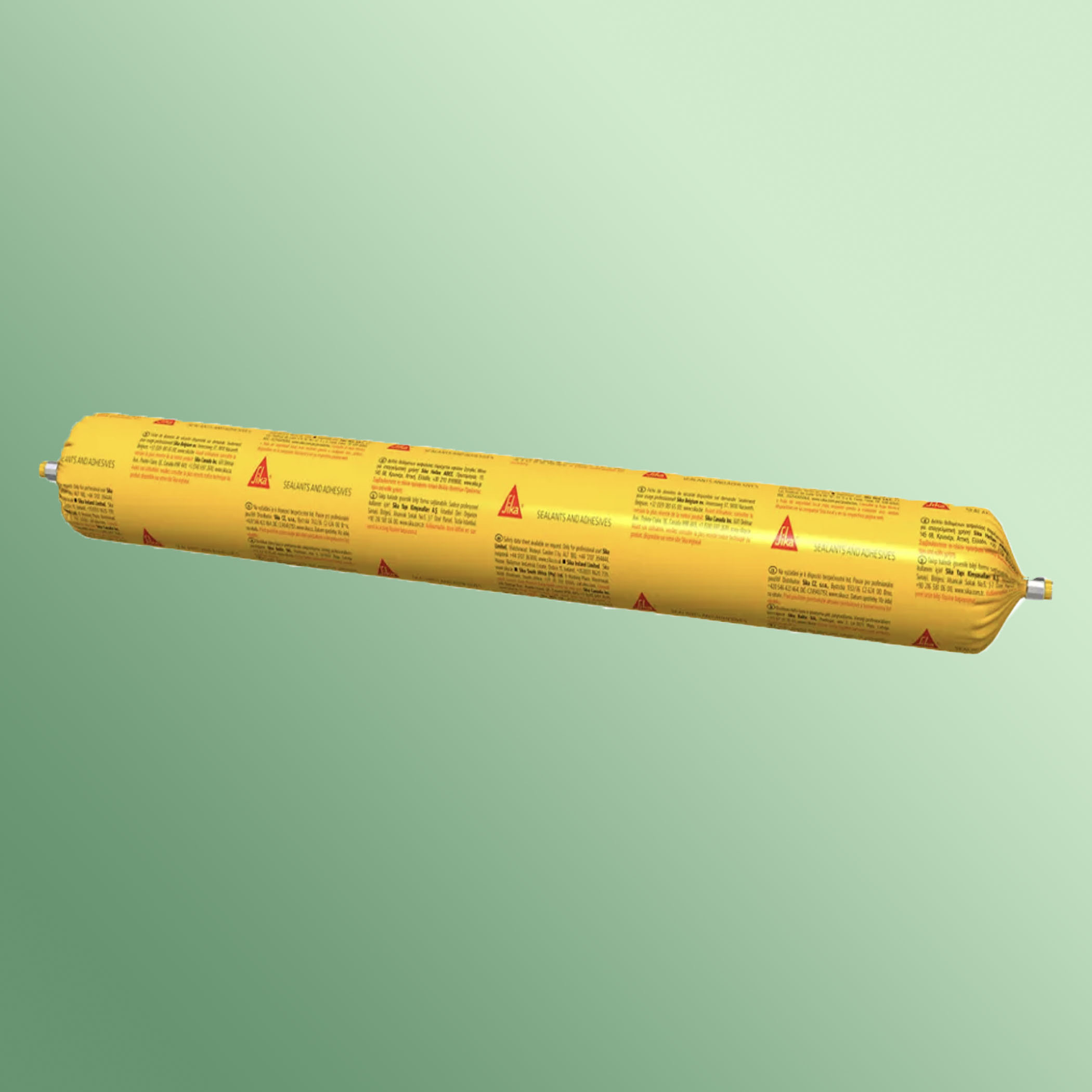
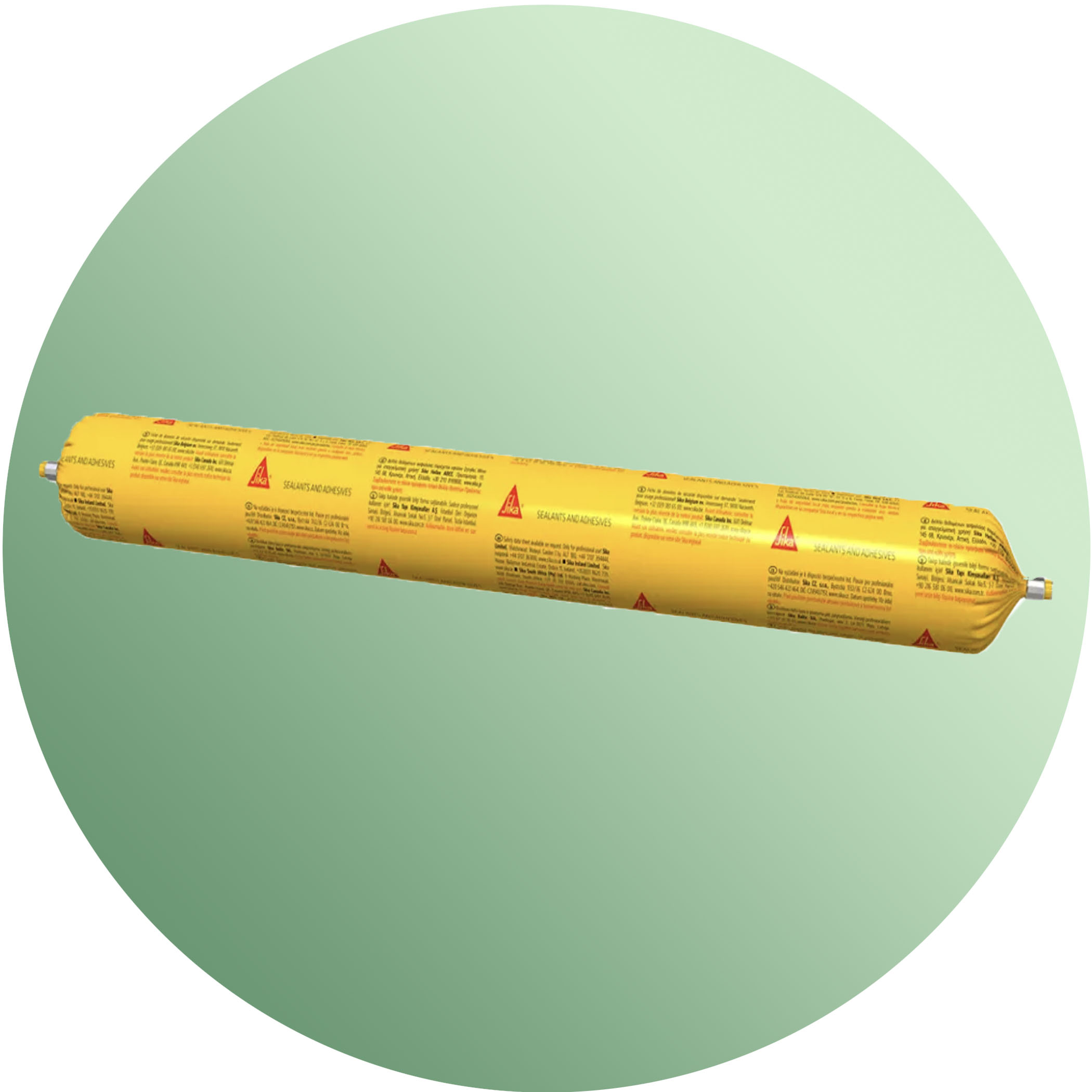
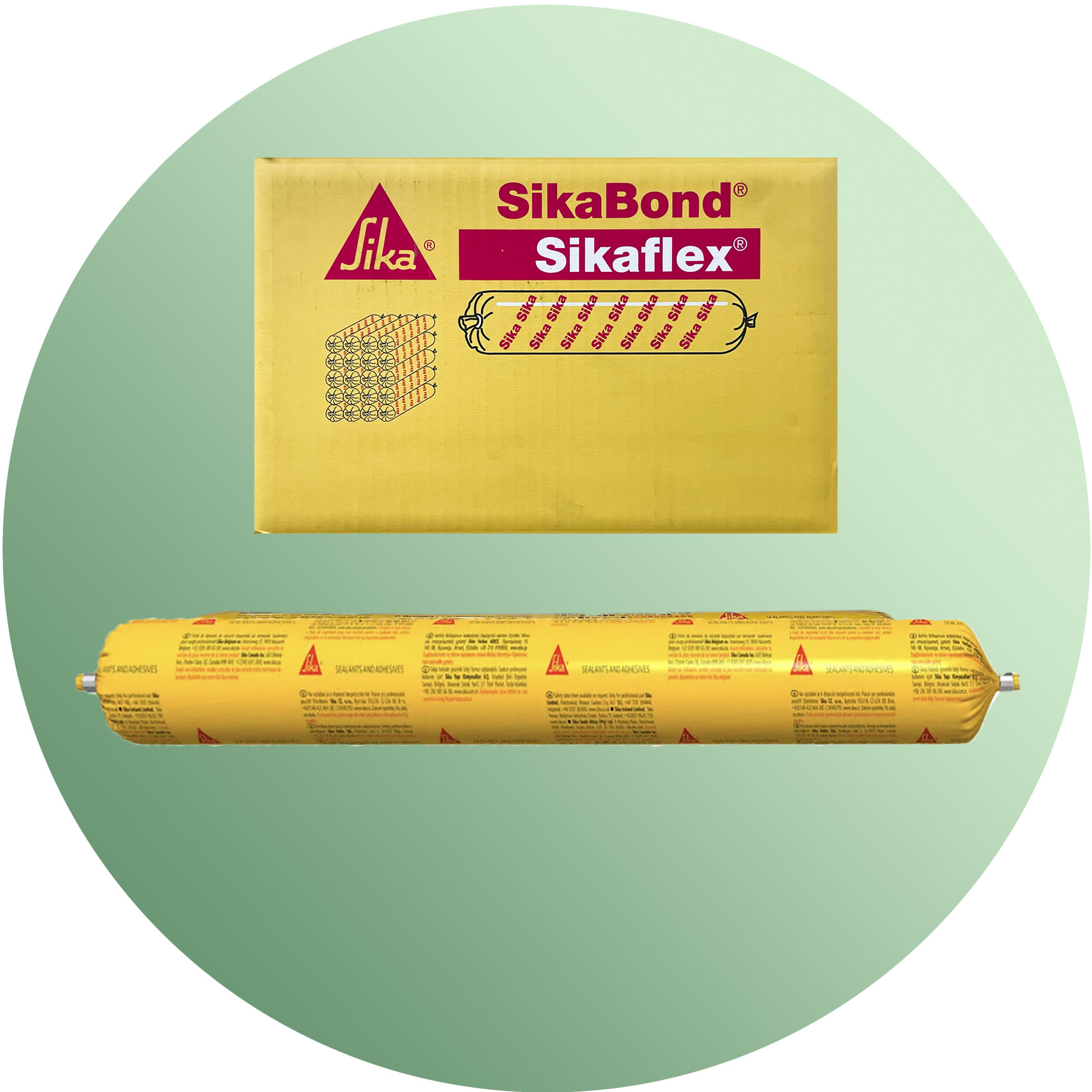
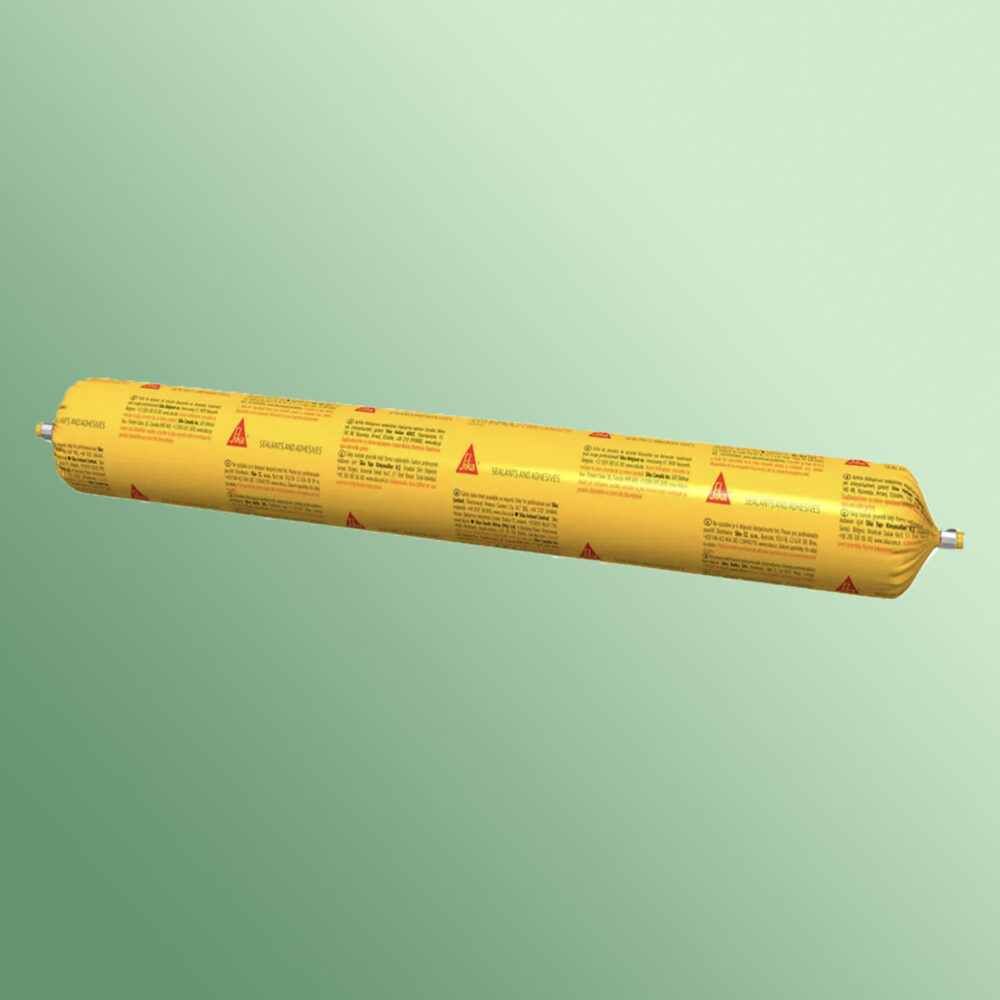
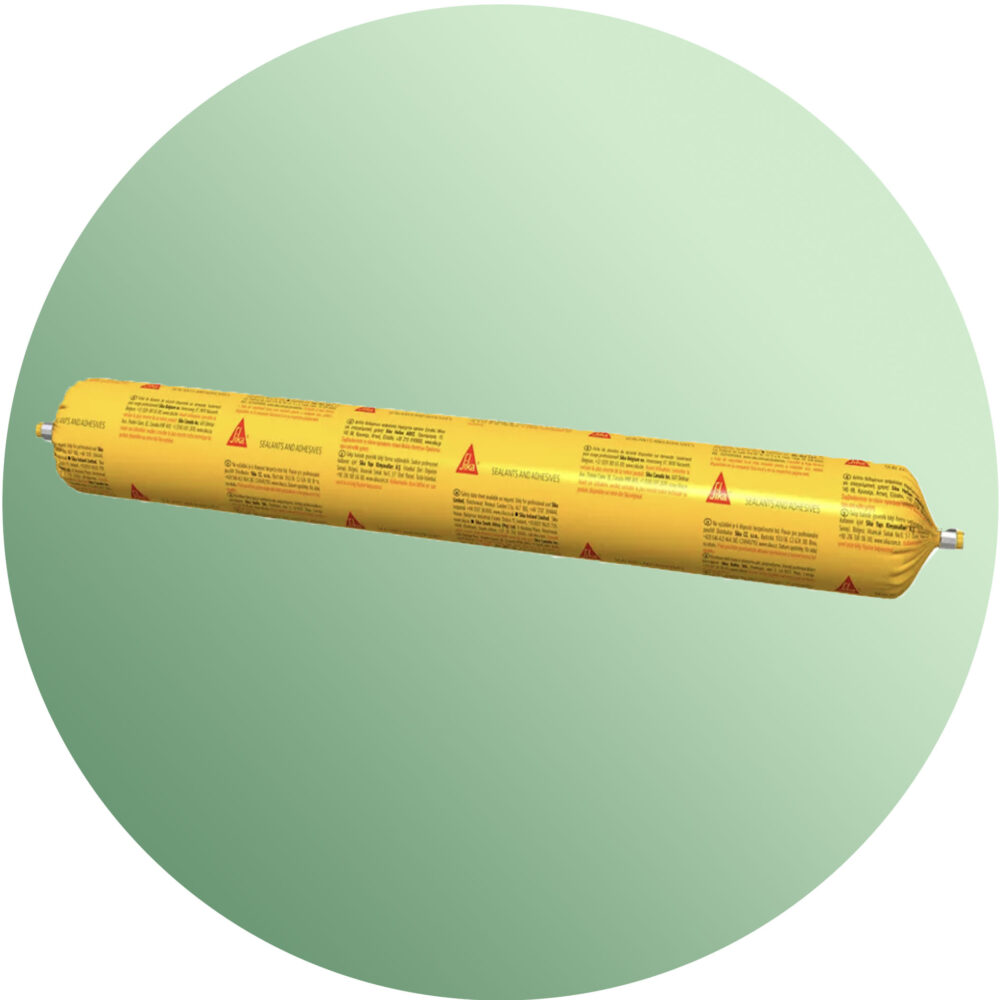
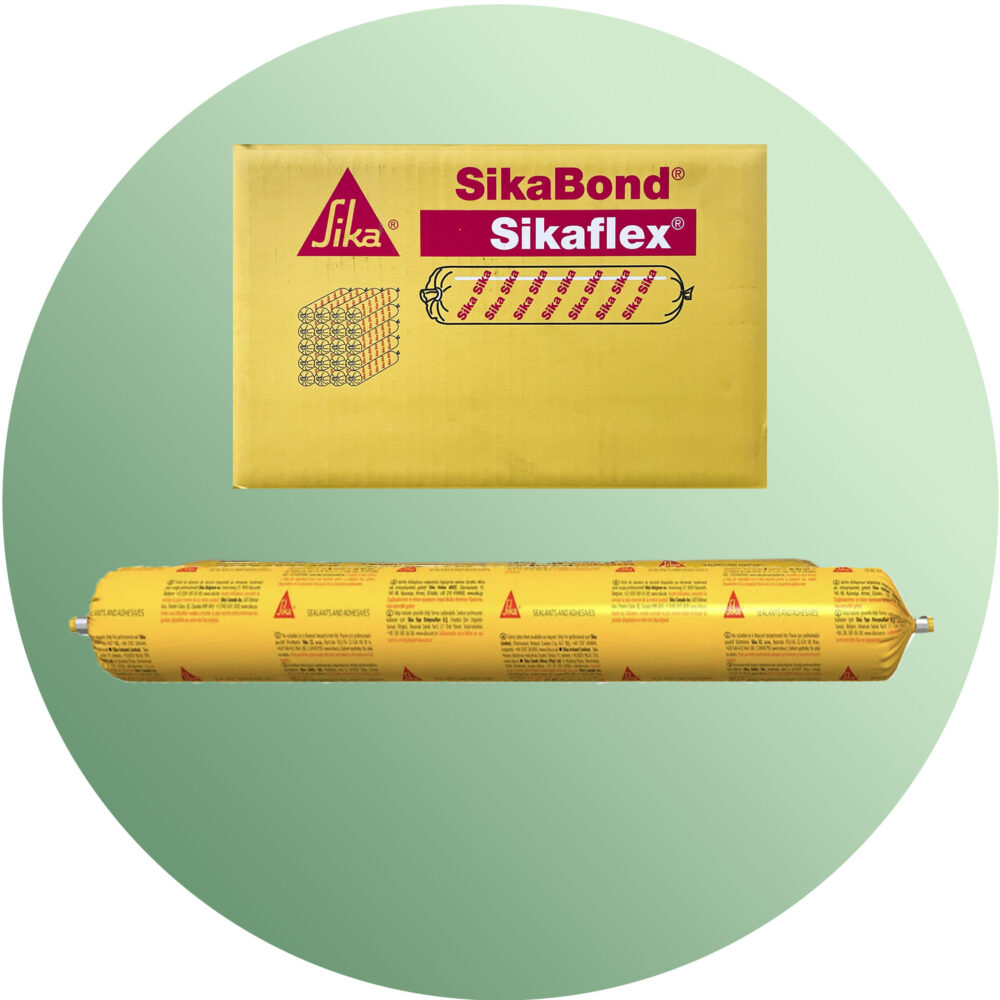
It is supplied in 600ml sausage packs rather than cartridges, which suits the higher-volume application a continuous fillet run typically needs on a commercial job — a sausage pack loads into a standard sausage-frame gun and empties in one continuous extrusion, rather than needing a cartridge change part way through a long run of joint.
Technical Specifications
| Product type | Polyurethane fillet sealant |
|---|---|
| Colour | Concrete grey |
| Density | Approx. 1.3 kg/L |
| Packaging | 600ml sausage, 20 sausages per box |
| Shelf life | 12 months from date of production, correctly stored |
| Storage conditions | Original, undamaged, sealed container, dry conditions |
Where to Use
- Fillet joints at internal angles, such as wall-to-floor junctions, where a neat rounded profile is wanted rather than a straight caulking line
- Construction joints needing a durable, flexible polyurethane seal
- Substrates including aluminium, anodised aluminium, stainless steel and galvanised metal, subject to compatibility checks
- Joints where colour deviation from UV exposure over time is not a performance concern
- Follow-on work where an epoxy resin coating will later be applied, once fully cured
How to Apply
- Prepare the joint — the substrate must be clean, dry, sound and homogeneous. Prime if the substrate calls for it.
- Load the sausage — insert the 600ml sausage pack into a compatible sealant gun, ensuring full contact with the sides of the gun for even extrusion.
- Apply the fillet — run a continuous bead into the joint and tool to the required fillet profile before a skin forms.
- Clean tools promptly — remove uncured material from tools and equipment before it sets.
Important Notes
- Colour deviation can occur with UV exposure over time; this does not affect performance.
- Do not apply over uncured Sikaflex Fillet or expose uncured material to amine-cured epoxy coatings, which can inhibit cure.
- Epoxy resin coatings applied over cured Sikaflex Fillet should be fully cured before further work proceeds.
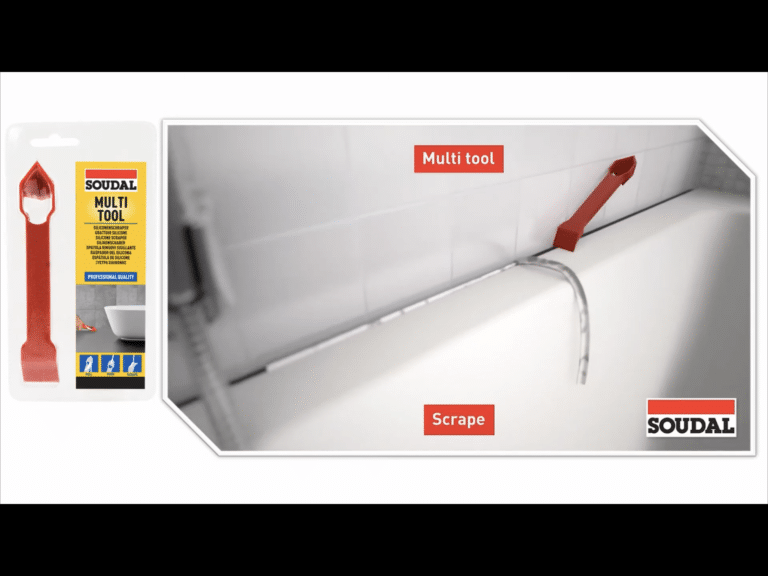
- Remove uncured sealant with an appropriate remover immediately after use; hardened material is far harder to clean up.
- Insert a fresh foil pack into the sealant gun making sure it sits in full contact with the sides of the frame, so the sausage extrudes evenly along its length.