Mushroom Compost

SKU: MUSHROOMCOM
From $90.00 / m³

Choose how you’ll get it

Pick up Free

Choose collection point

Delivery not available

We don't freight this item, so it's collection only.

If you need to have this delivered, simply provide us with product and delivery details using the Contact Us form.

Collect from: Keilor East

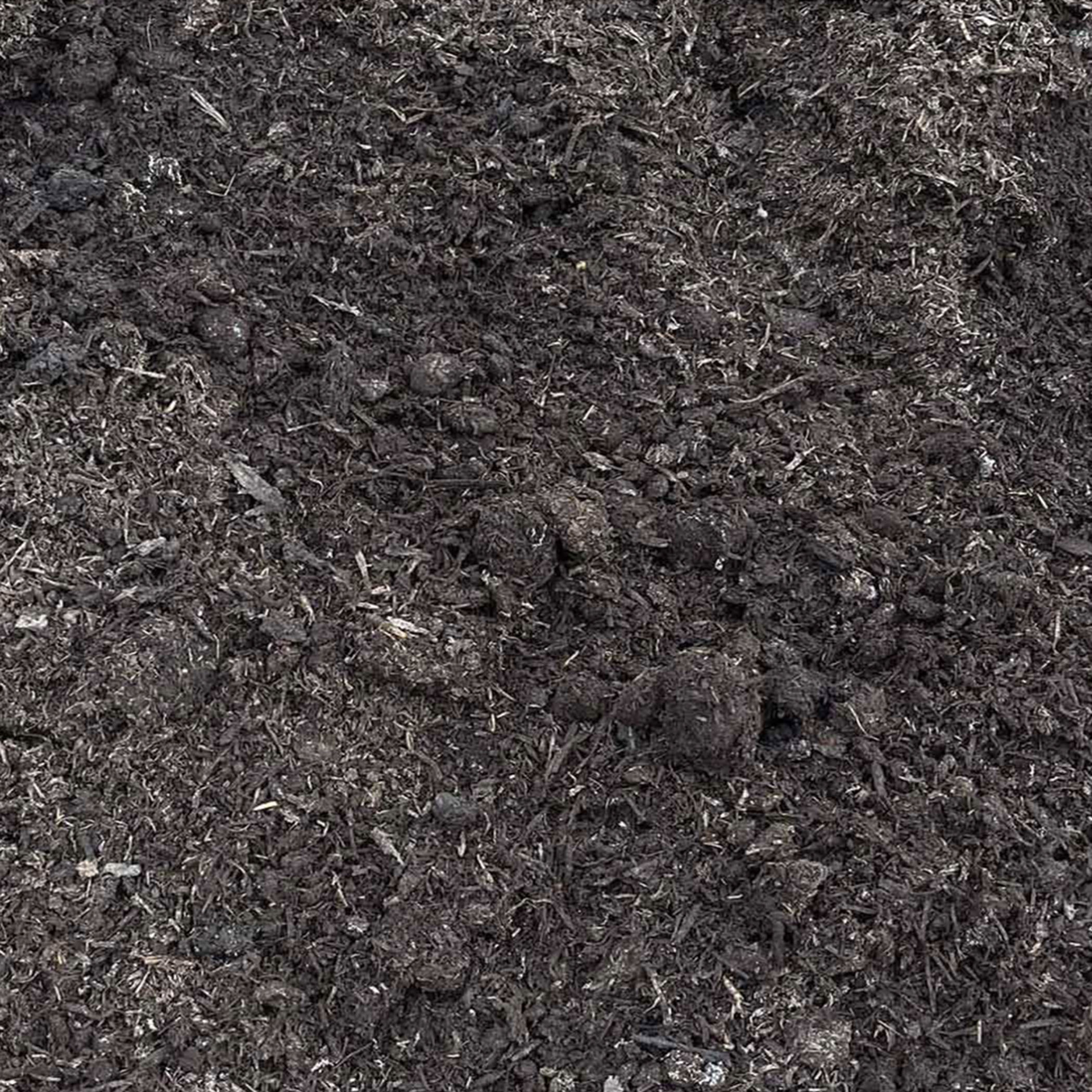
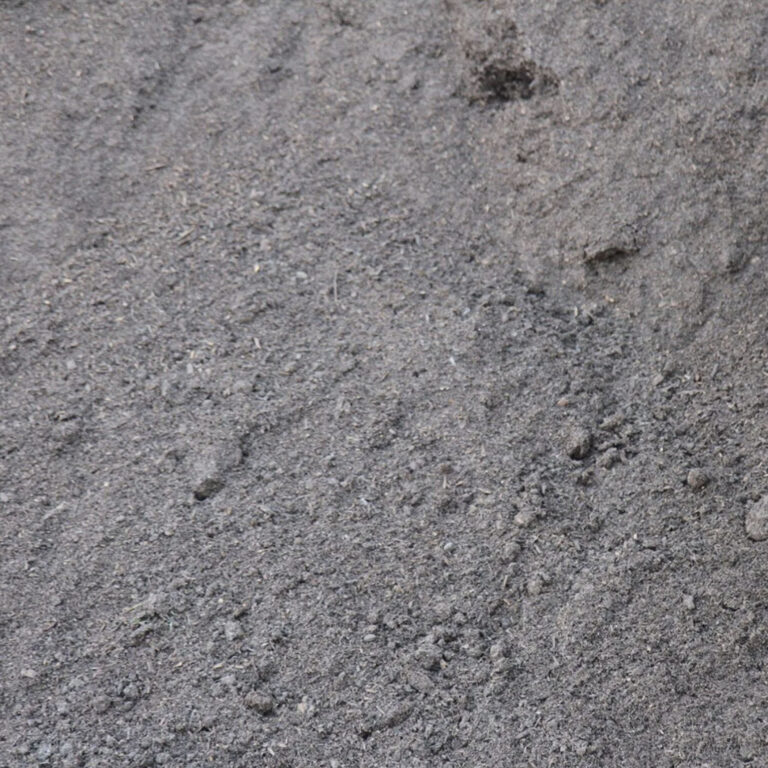
Mushroom Compost is a soil conditioner that adds organic matter and improves clay and sandy soils. Mushroom compost is typically made from the substrate left after a mushroom crop. It is usually alkaline, so mix it through rather than plant into it, and keep it off azaleas and blueberries. Sold loose by the cubic metre for pickup from Keilor East.

Enter how much you need in m³. We work out the quantity to supply from the purchase step. m³

Minimum 0.25 m³ · Sold in steps of 0.25 m³

Units required: 0 (incl. wastage)
Quantity needed: m³ (incl. 10% wastage)
Quantity supplied: m³
Estimated total:

Description

Mushroom Compost is an organic soil conditioner. Mushroom compost is typically made from the spent growing substrate left once a commercial mushroom crop has been harvested, composted and reused for garden soil improvement.

Like other composts, it adds organic matter and improves soil structure: a heavy clay soil drains and aerates better with it worked through, and a light sandy soil holds moisture for longer.

It sits alongside Clyde Pure Organic Compost in the soil range, giving a choice between two organic conditioners.

Mushroom compost is usually alkaline and can carry soluble salts, so dig it through the soil rather than planting straight into it, and keep it away from acid-loving plants such as azaleas, camellias and blueberries.

Technical Specifications

Material Mushroom compost
Type Organic soil conditioner
Application Soil improvement ahead of planting
Sold as Loose, by the cubic metre in quarter-m3 steps
Collection Pickup only, from Keilor East, Melbourne

Where to Use

  • Garden beds ahead of planting
  • Improving soil structure in clay or sandy soils
  • General organic soil conditioning

How to Apply

  1. Clear the bed: remove weeds and old plant material before applying.
  2. Spread a layer: dampen the compost and apply an even 50 to 75mm layer across the bed.
  3. Work it through: dig or fork the compost into the top layer of soil.
  4. Water in: a thorough watering helps settle the compost into the bed.
  5. Plant or replenish seasonally: plant into the improved bed, or reapply each season.

Important Notes

  • Compost and soil can contain Legionella and other micro-organisms. Wear gloves and a P2 mask, dampen the material before handling, and wash your hands afterwards.
  • Usually alkaline with some soluble salts: mix it through the soil and water in, and avoid it around acid-loving plants (azaleas, camellias, blueberries).
  • Pickup only from our Keilor East yard (Melbourne). Sold loose by the cubic metre in quarter-m3 steps; part loads of a quarter, half and three-quarter cubic metre are available.
  • One cubic metre treats about 13 to 20 square metres; roughly 0.5 to 0.7 tonnes per cubic metre.
  • Further reading: Compost (Wikipedia).
Key Features

  • Mushroom compost is typically made from spent mushroom-growing substrate
  • Adds organic matter and improves soil structure
  • Usually alkaline; not for acid-loving plants such as azaleas, camellias and blueberries
  • Mix through the soil rather than planting directly into it
  • One cubic metre treats about 13 to 20 square metres at 50 to 75mm
  • Light: roughly 0.5 to 0.7 tonnes per cubic metre
  • Wear gloves and a P2 mask; dampen before handling

Frequently asked questions

What is Mushroom Compost made from?

Mushroom compost is typically the spent growing substrate from commercial mushroom farms: straw-based with manure, gypsum and lime, composted after the crop is harvested and reused as a soil conditioner.

Which plants should not get Mushroom Compost?

Acid-loving plants such as azaleas, camellias, rhododendrons and blueberries, because mushroom compost is usually alkaline. It can also carry soluble salts, so mix it through the soil and water it in rather than planting seedlings straight into it.

How does it compare to Clyde Pure Organic Compost?

Both add organic matter and improve structure. Clyde Pure Organic Compost is a general compost; Mushroom Compost is the alkaline option, suited to vegetable beds and general borders on neutral to acidic soils.

How much do I need?

Spread 50 to 75mm and dig it through the top 100 to 150mm. One cubic metre treats about 13 to 20 square metres and weighs roughly 0.5 to 0.7 tonnes. Check your trailer’s payload (on its compliance plate) before choosing a quantity.

Do I need gloves and a mask?

Yes. Compost and soil can contain Legionella and other micro-organisms. Wear gloves and a P2 mask, dampen the material before handling, and wash your hands afterwards.

Related Products

Added to cart

View cart