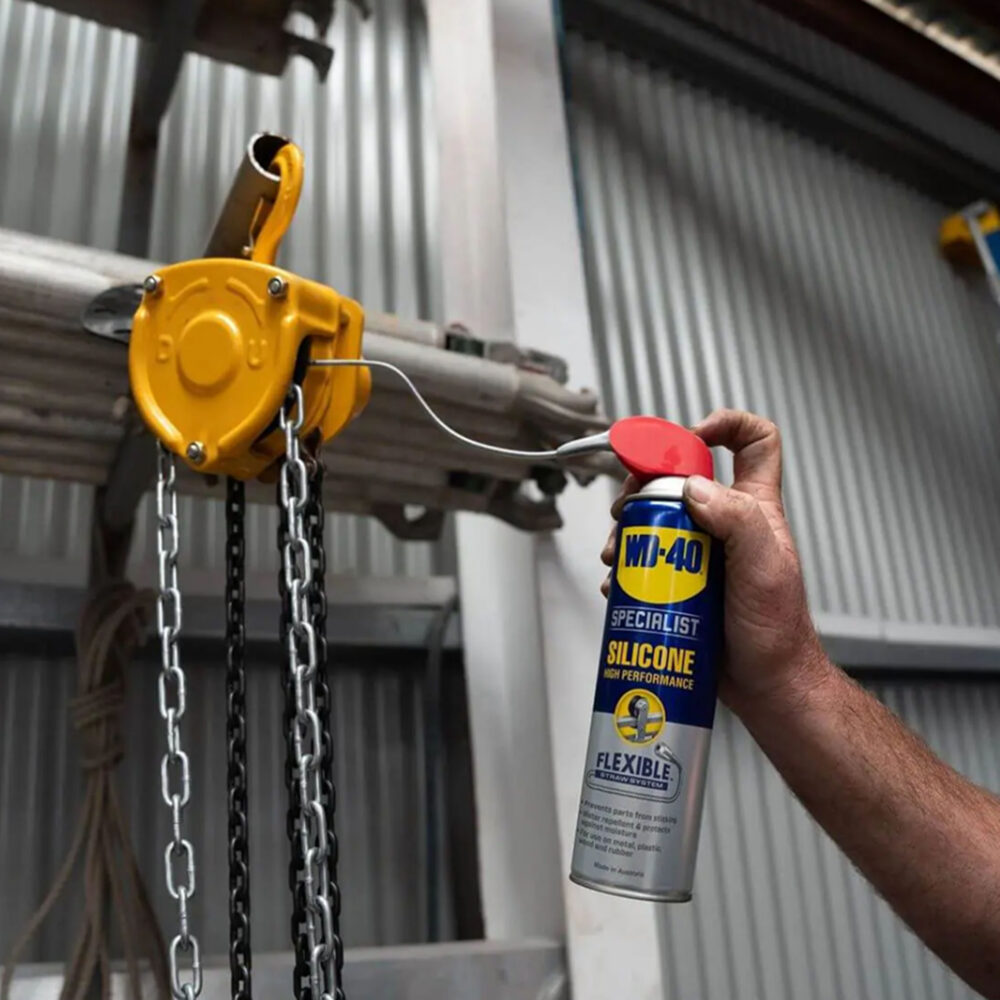
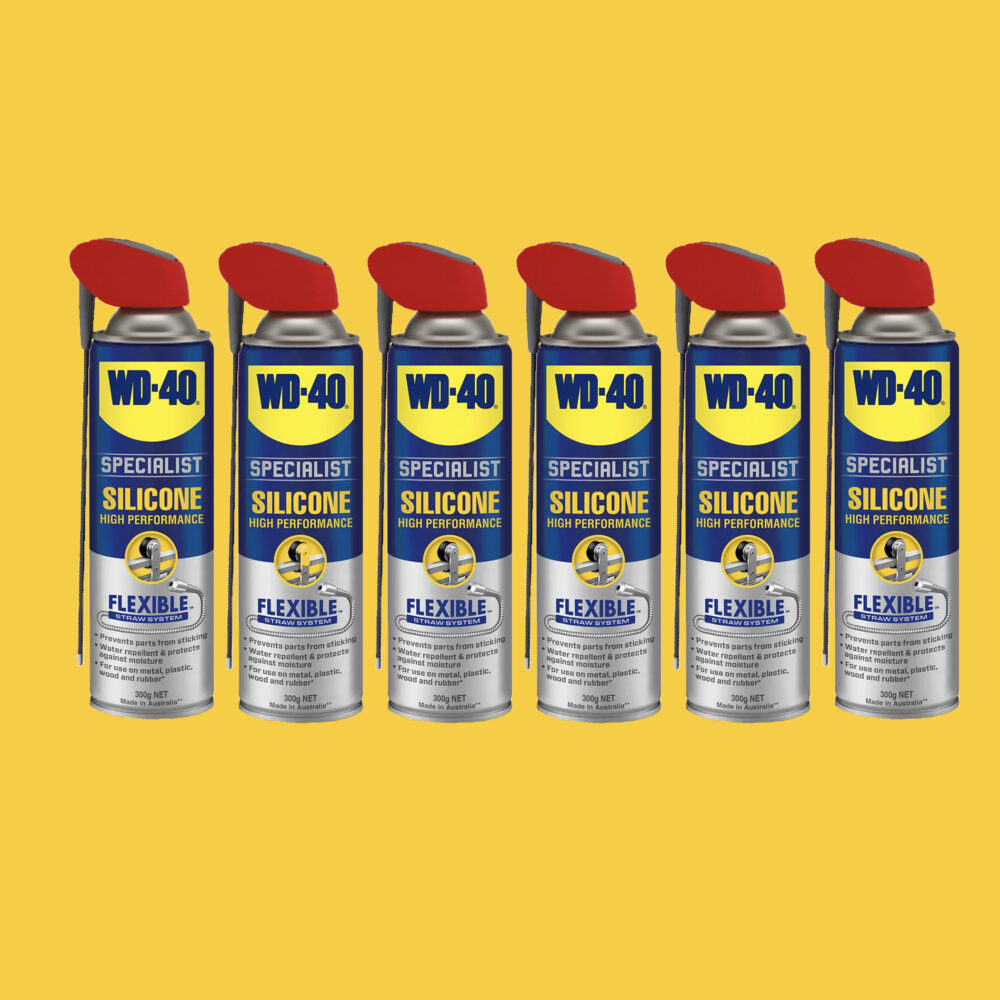
Description
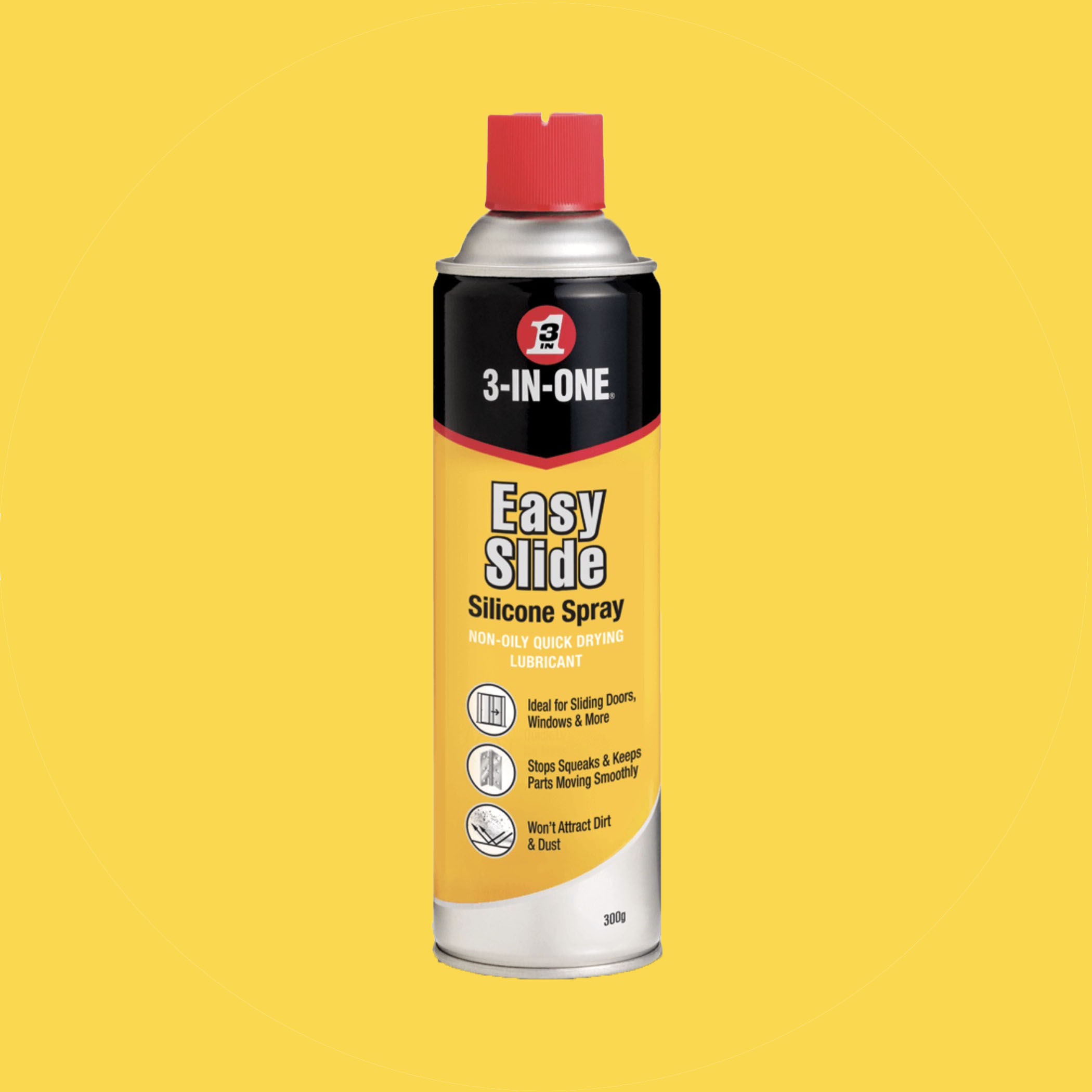
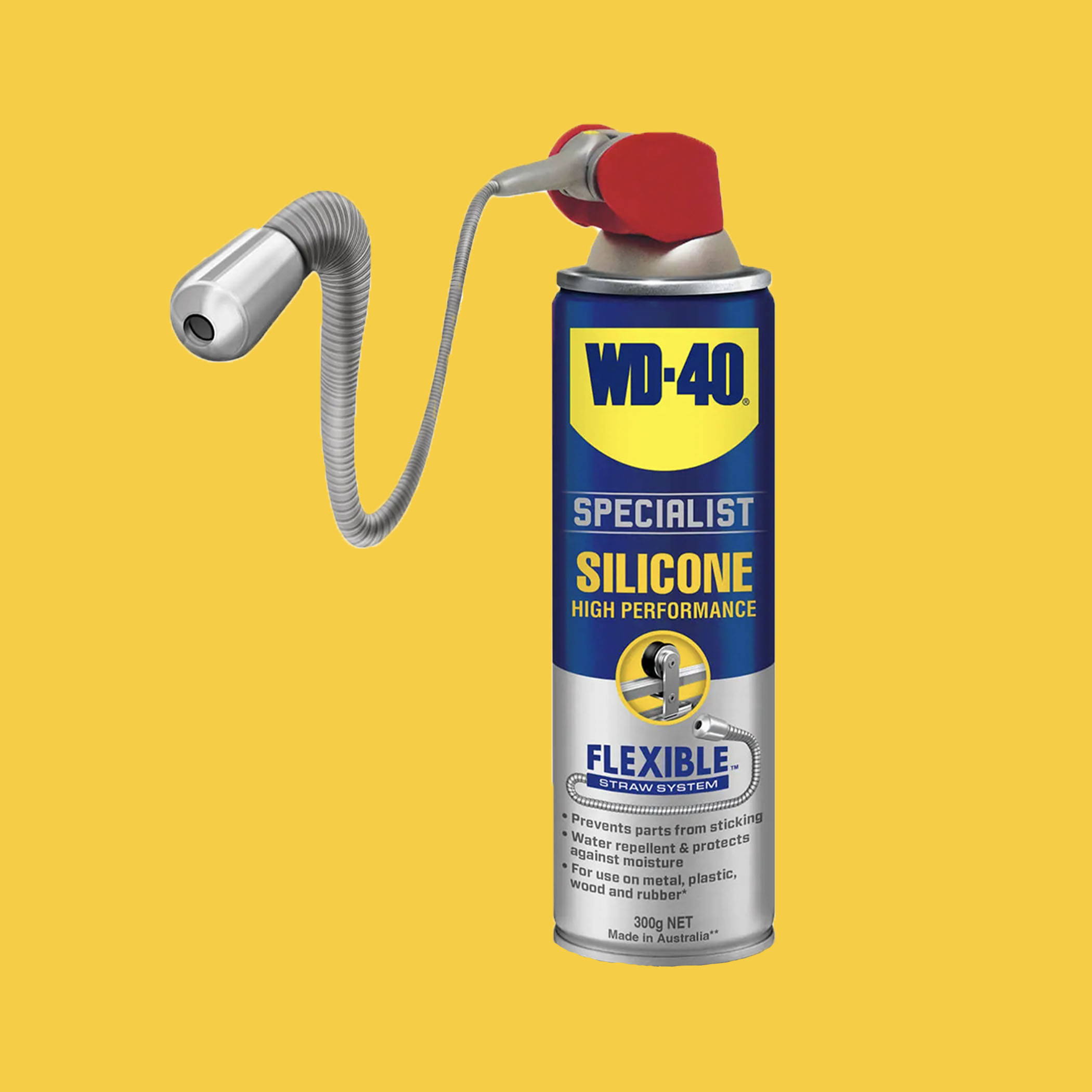
WD-40 Specialist Flexible Silicone Lubricant is a high-performance spray built for high-pressure equipment, using a silicone base specifically so it can lubricate and protect rubber parts — pipes, window seals, plumbing fittings and belts — without the material degradation a petroleum-based lubricant can cause to rubber over time. It displaces moisture and protects tools and equipment from rust and corrosion in the same application.
Being safe on metal, plastic and wood as well as rubber, without staining any of them, gives it genuine cross-material versatility rather than being a rubber-only specialist product. Its temperature range, -35°C to +200°C, and dual-mode Smart Straw applicator — precision for hard-to-reach spots, wide-angle for larger surfaces — make it practical for both small mechanisms and bigger jobs from the same can.
Technical Specifications
| Base | Silicone |
|---|---|
| Temperature range | -35°C to +200°C |
| Applicator | Smart Straw — precision and wide-angle modes, 360° valve |
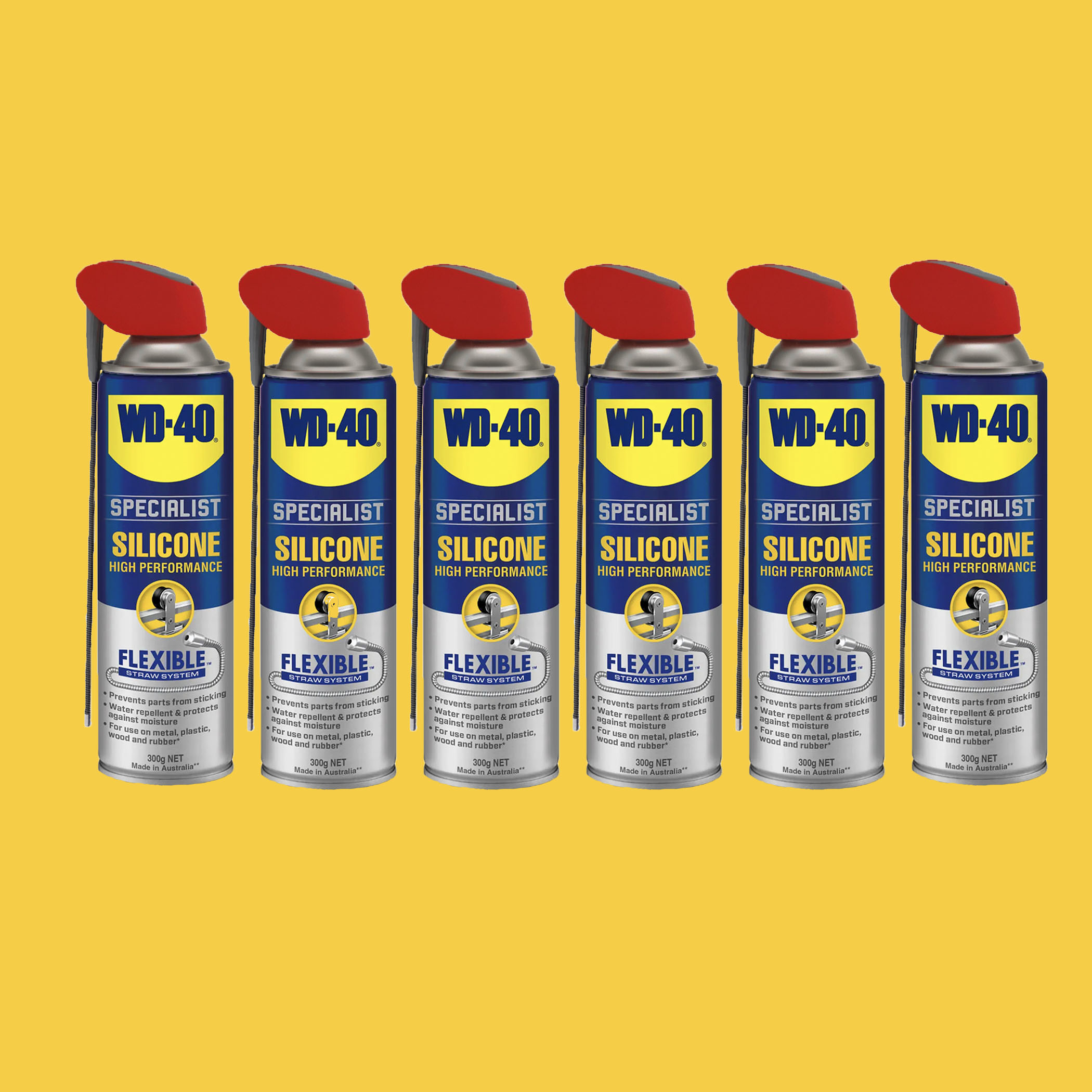
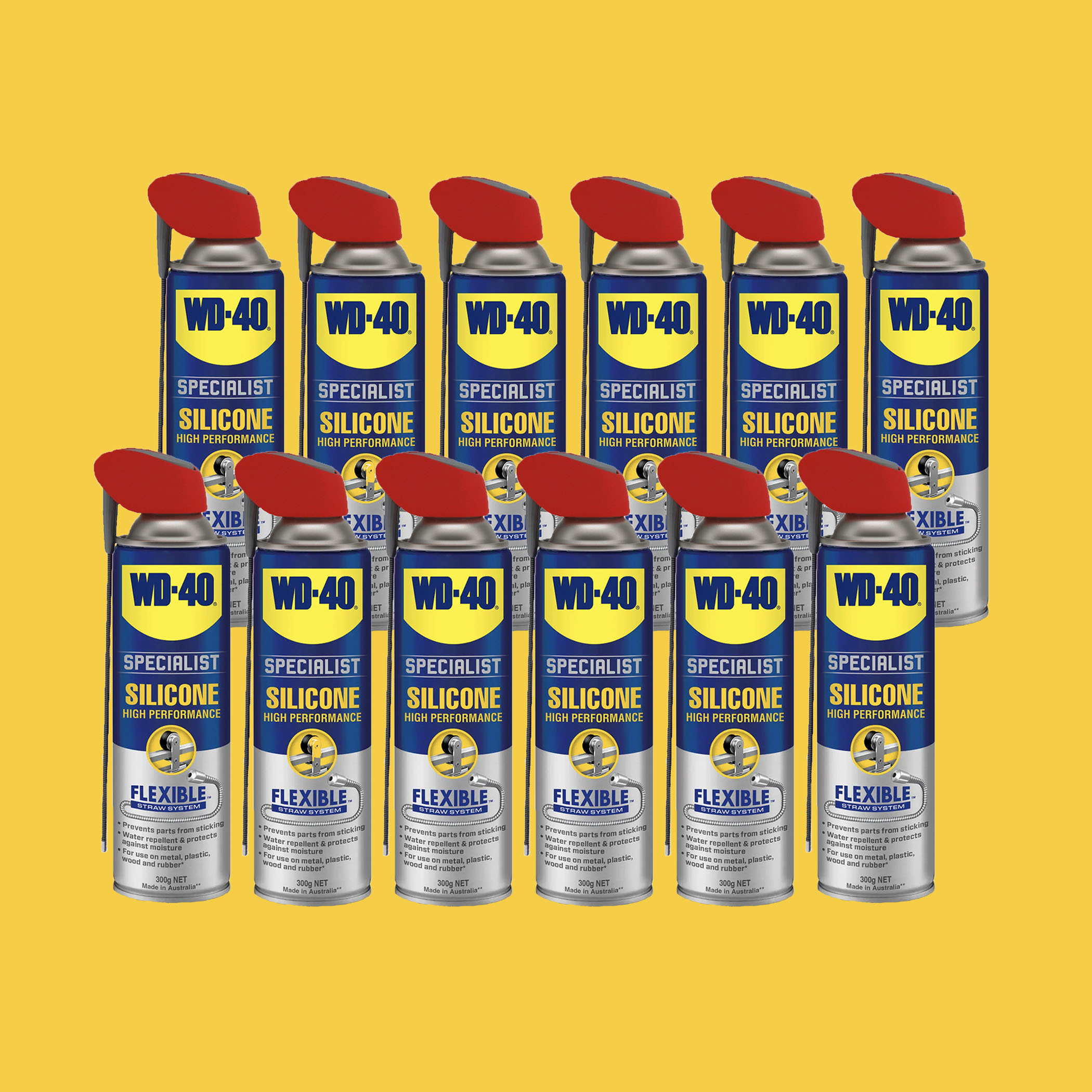
| Pack size | 300g |
Where to Use
- Belts and conveyors
- Bearings, guide rails and door runners
- Linkages, doors, hinges and locks
- Car window and door seals, uPVC window and door latches, valves and hoists
How to Apply
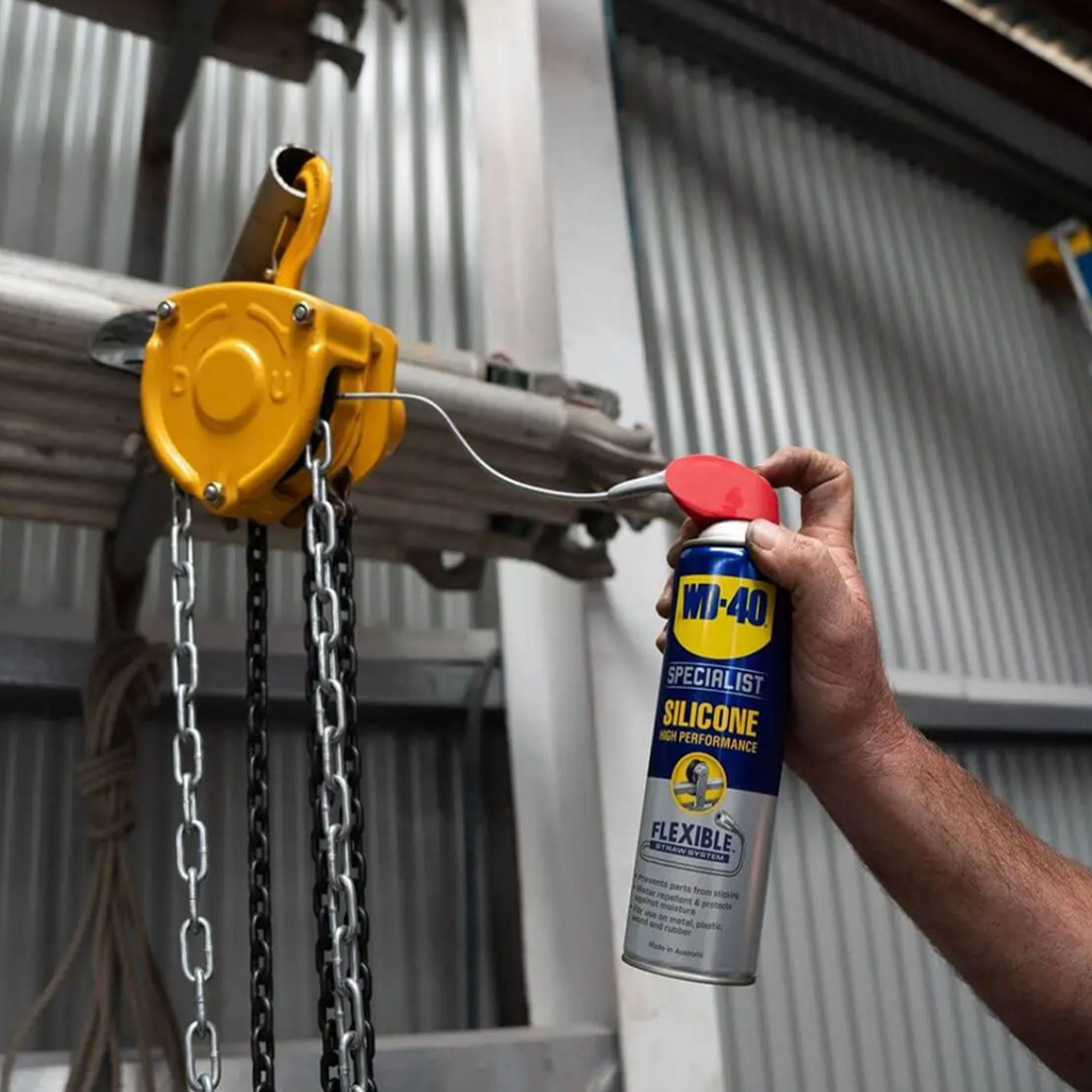
- Select the spray mode — flip the Smart Straw up for hard-to-reach areas, or down for wide-angle coverage.
- Test first — apply to an inconspicuous area to confirm compatibility with the specific surface.
- Apply a light, even coat — spray directly onto the part or mechanism, at any angle including upside down.
- Allow to settle — let the product form its protective film before use.
Important Notes
- Always test on an inconspicuous area before full application.
- Store away from heat sources and direct sunlight.
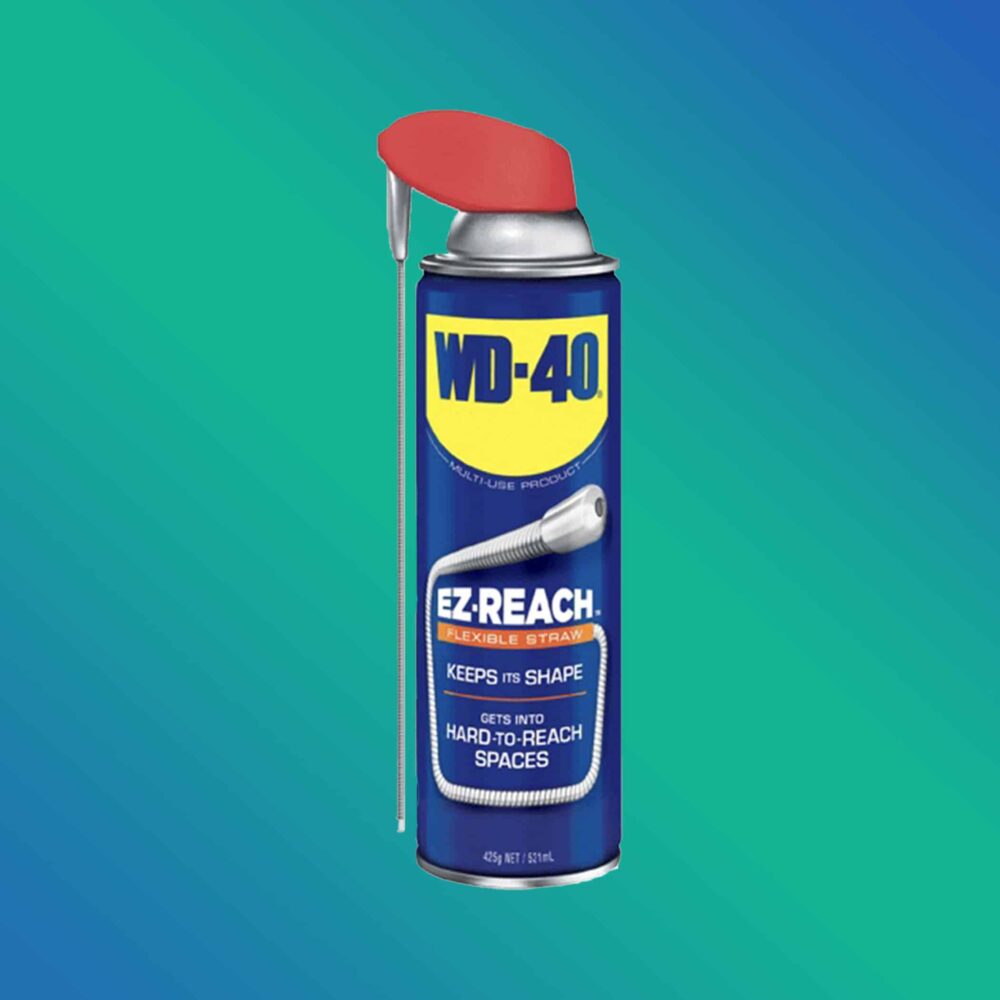
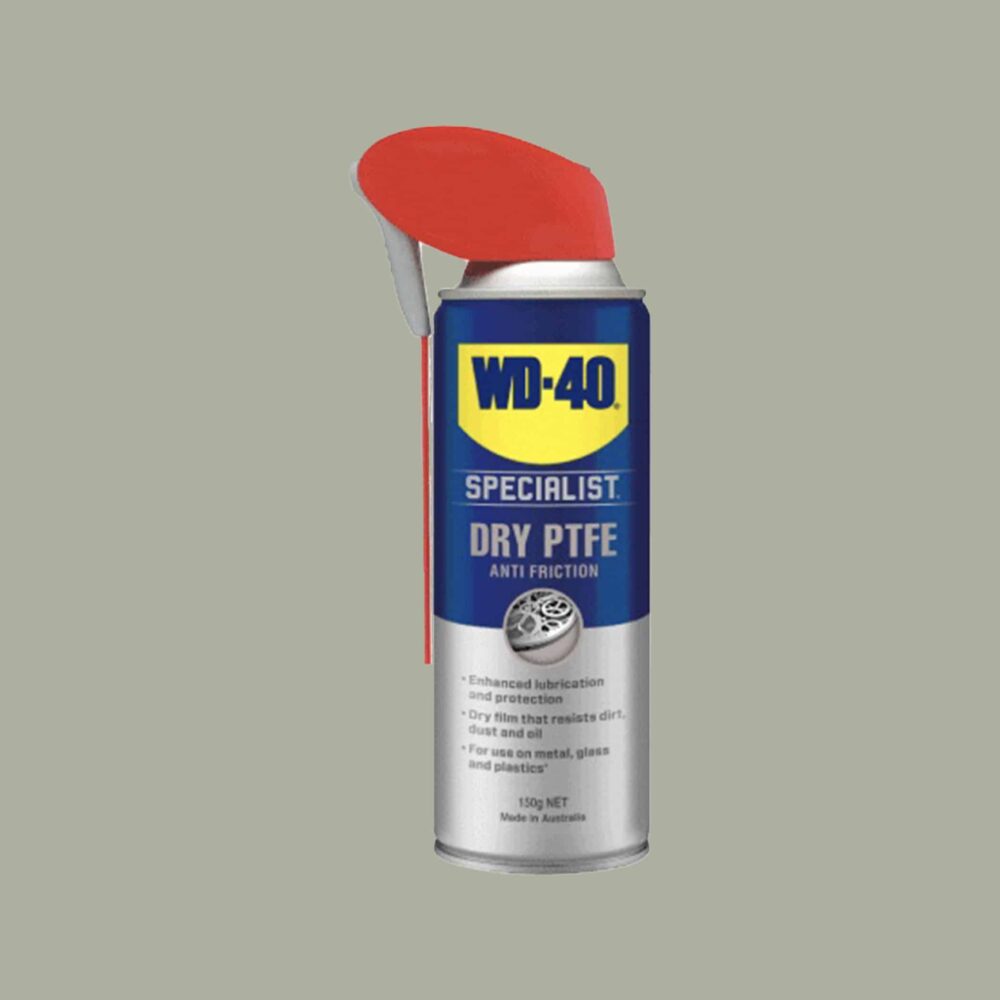
- For a non-silicone dry-film alternative, WD-40 Specialist Dry Lubricant is also available.
Petroleum-based lubricants can degrade rubber over time — softening, swelling or cracking seals and gaskets that were never designed to be exposed to mineral oil. WD-40 Specialist Flexible Silicone Lubricant sidesteps that entirely by using a silicone base instead, which is compatible with rubber in a way petroleum products simply aren’t, extending the working life of the seals and belts it’s applied to. That rubber compatibility is the main reason to reach for a silicone-specific lubricant over a general-purpose one whenever the job involves genuine rubber components rather than just metal-on-metal moving parts. Its 360° valve is a genuinely practical detail on awkward mechanisms mounted overhead or in tight recesses, where a standard aerosol nozzle would need the whole can tilted at an angle that risks the propellant not reaching the nozzle properly.