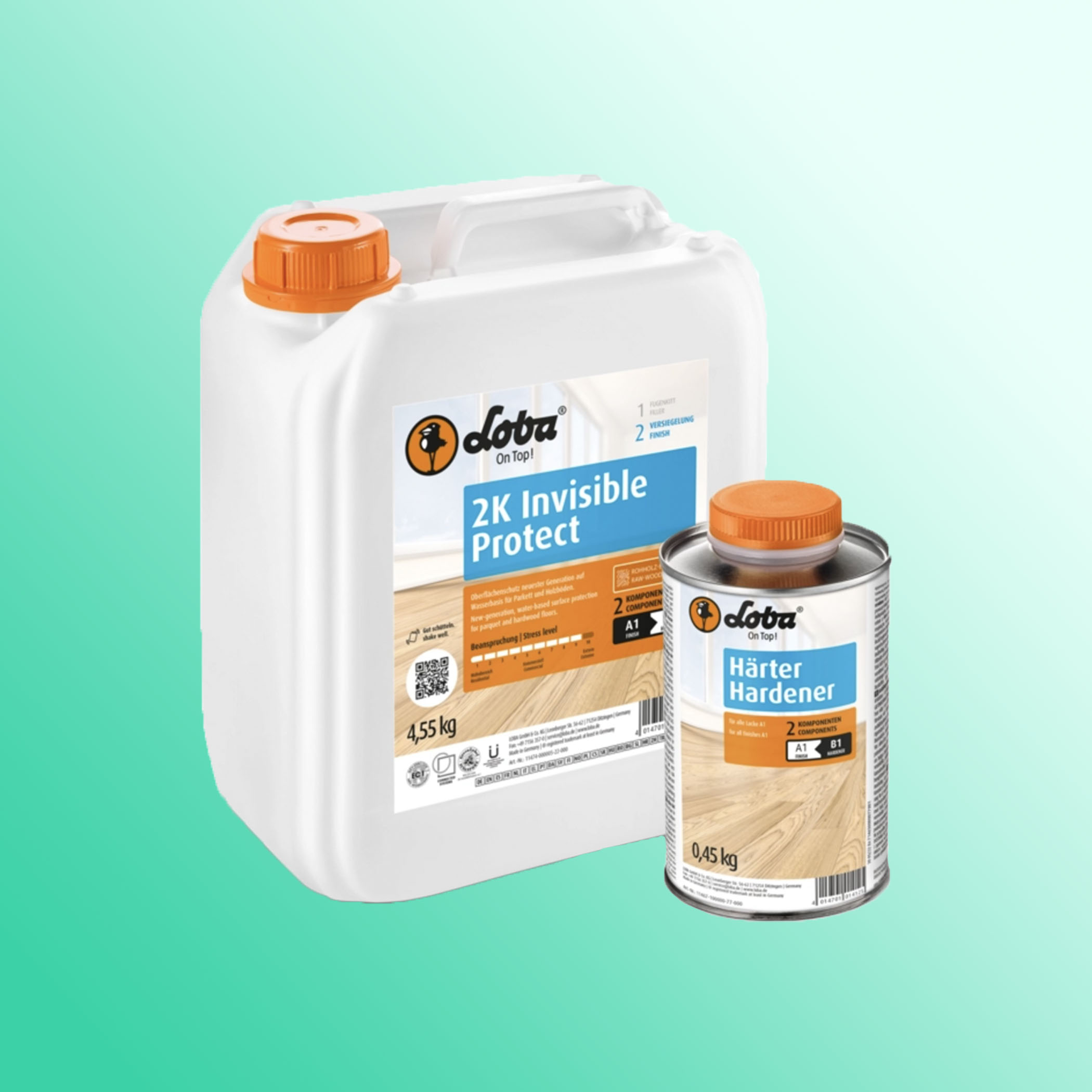
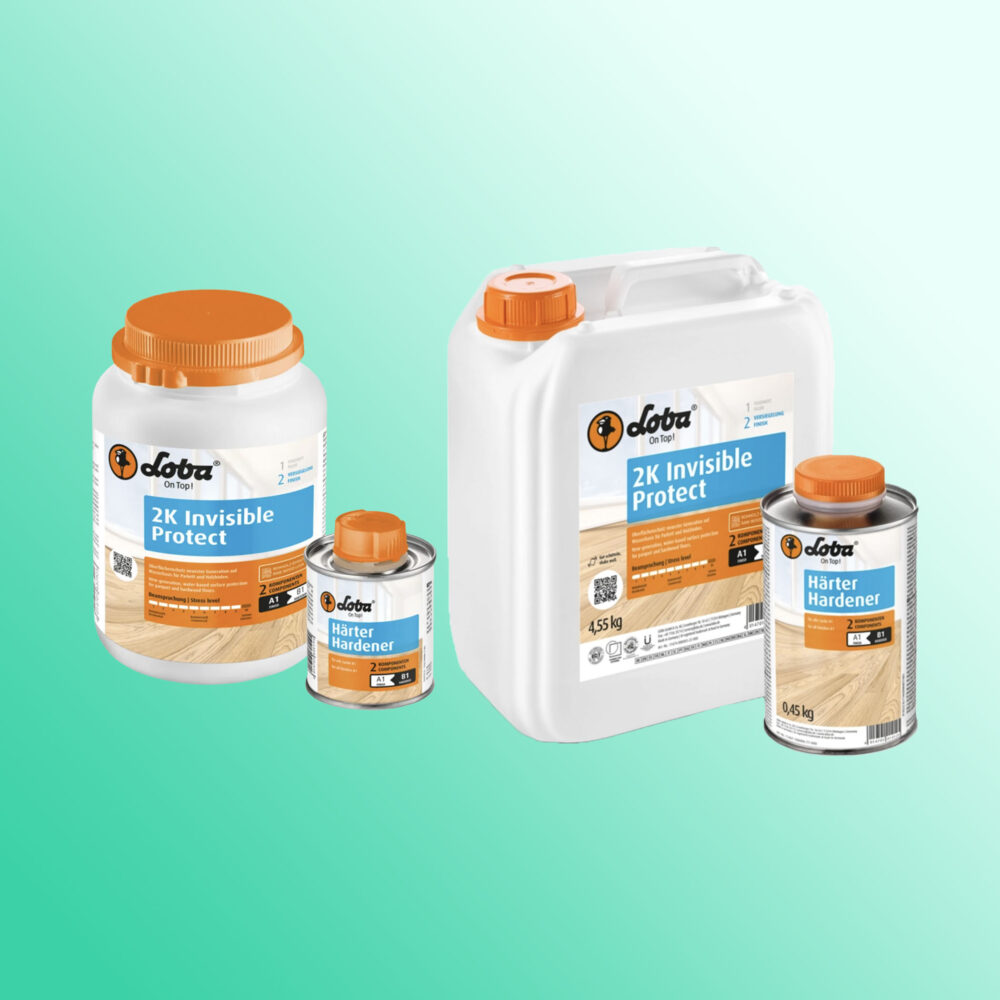
Description
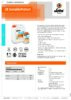
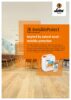
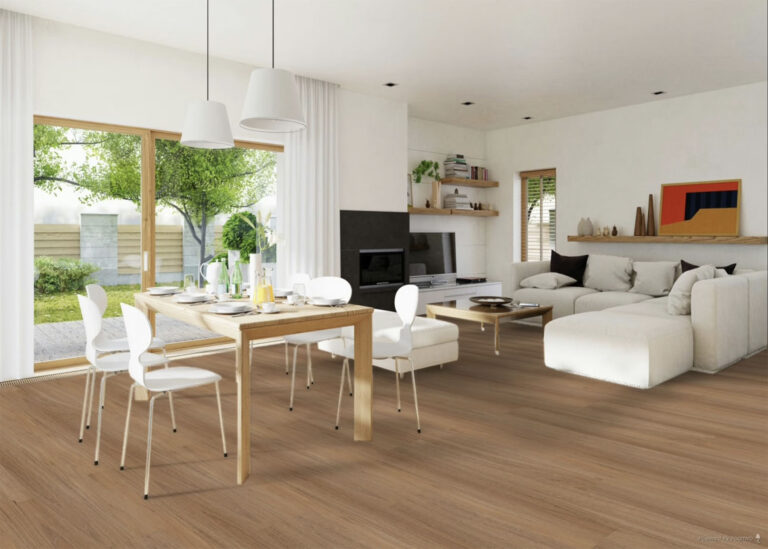
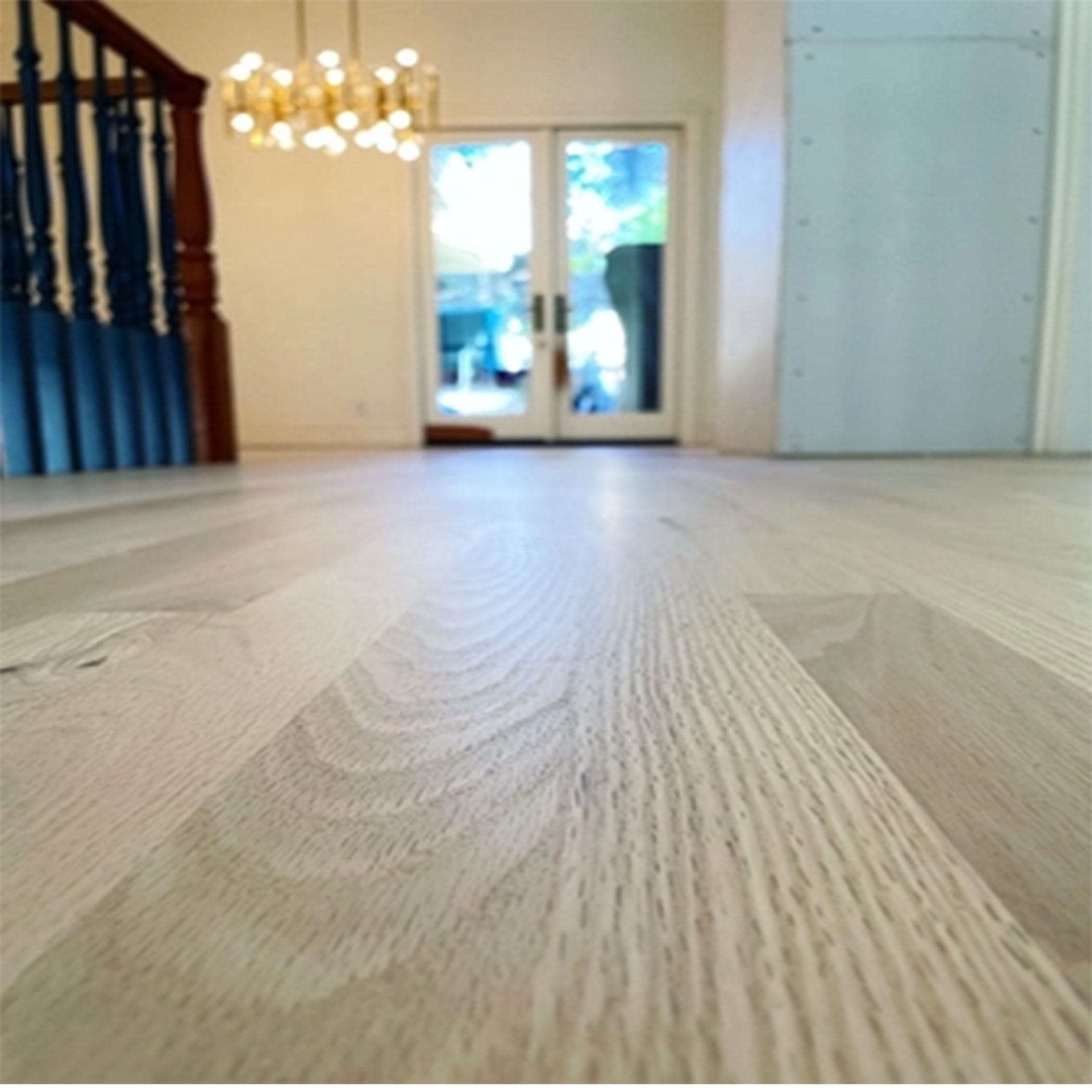
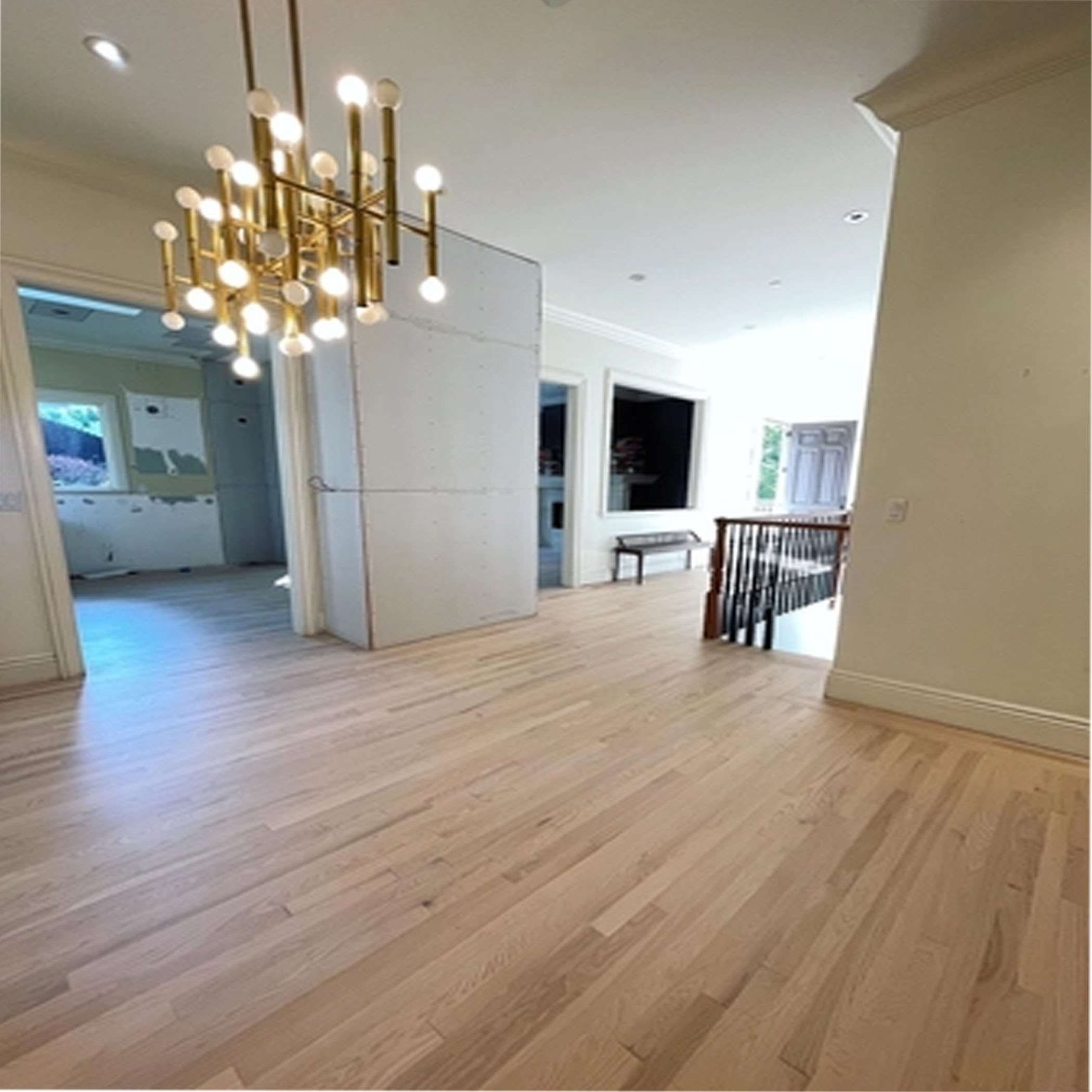
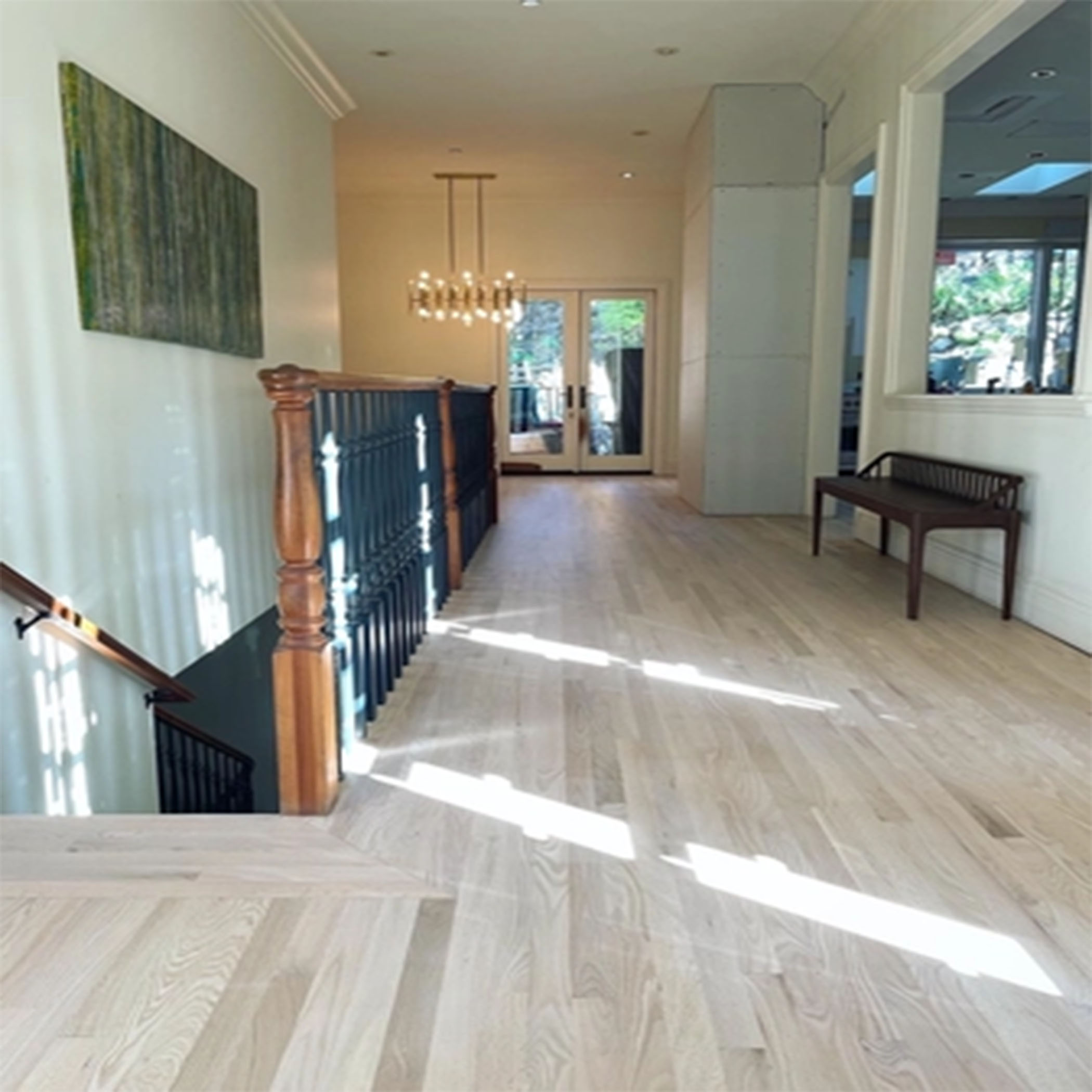
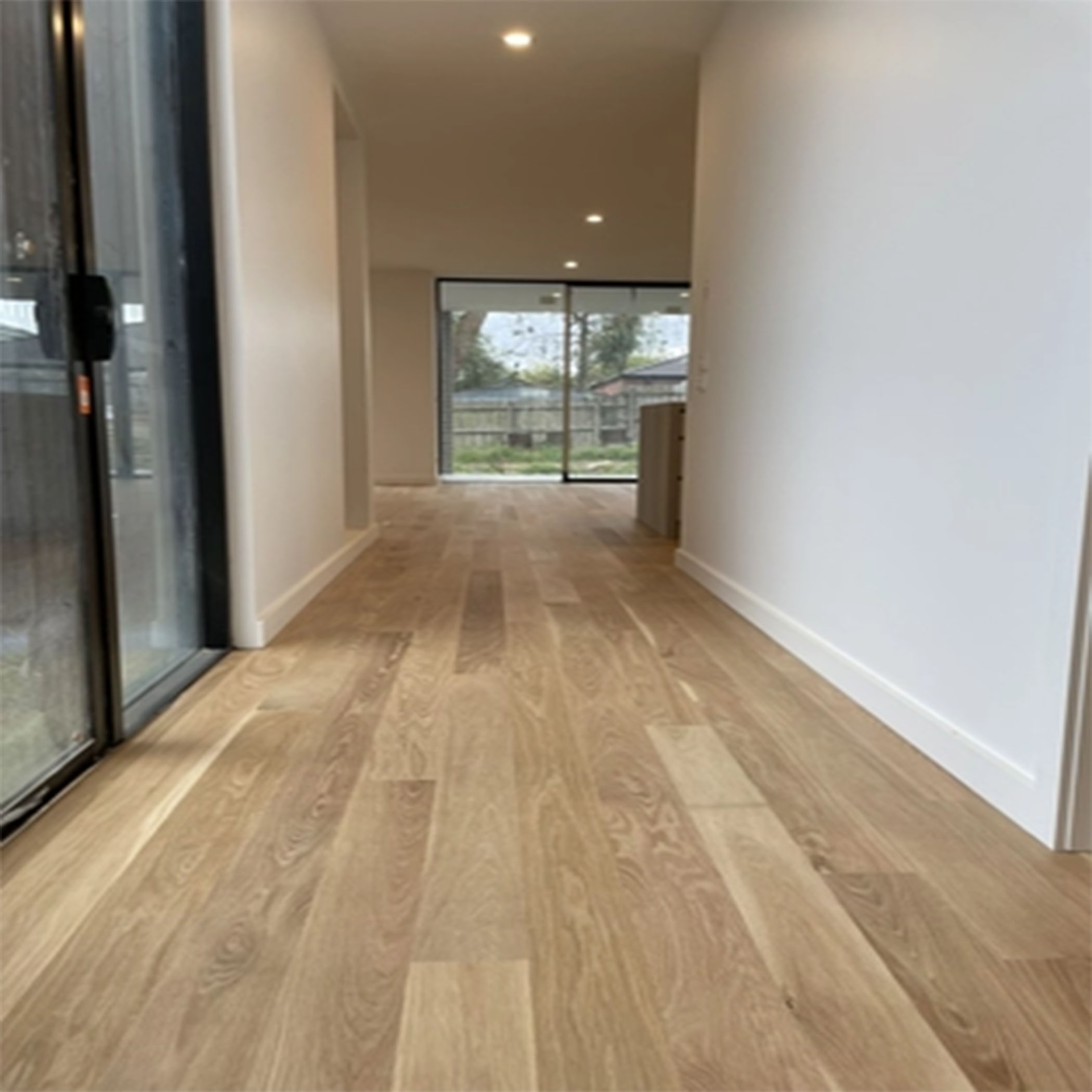
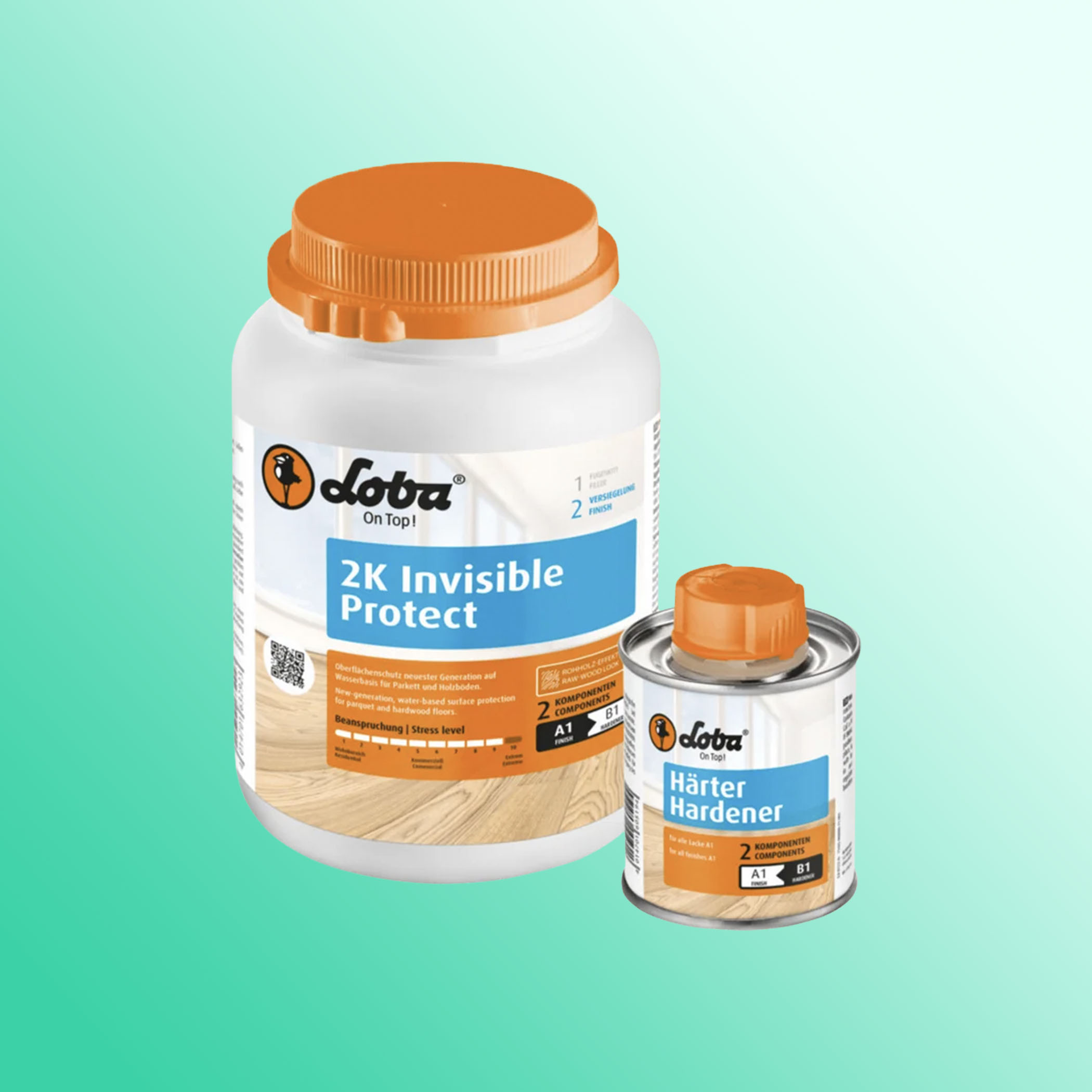
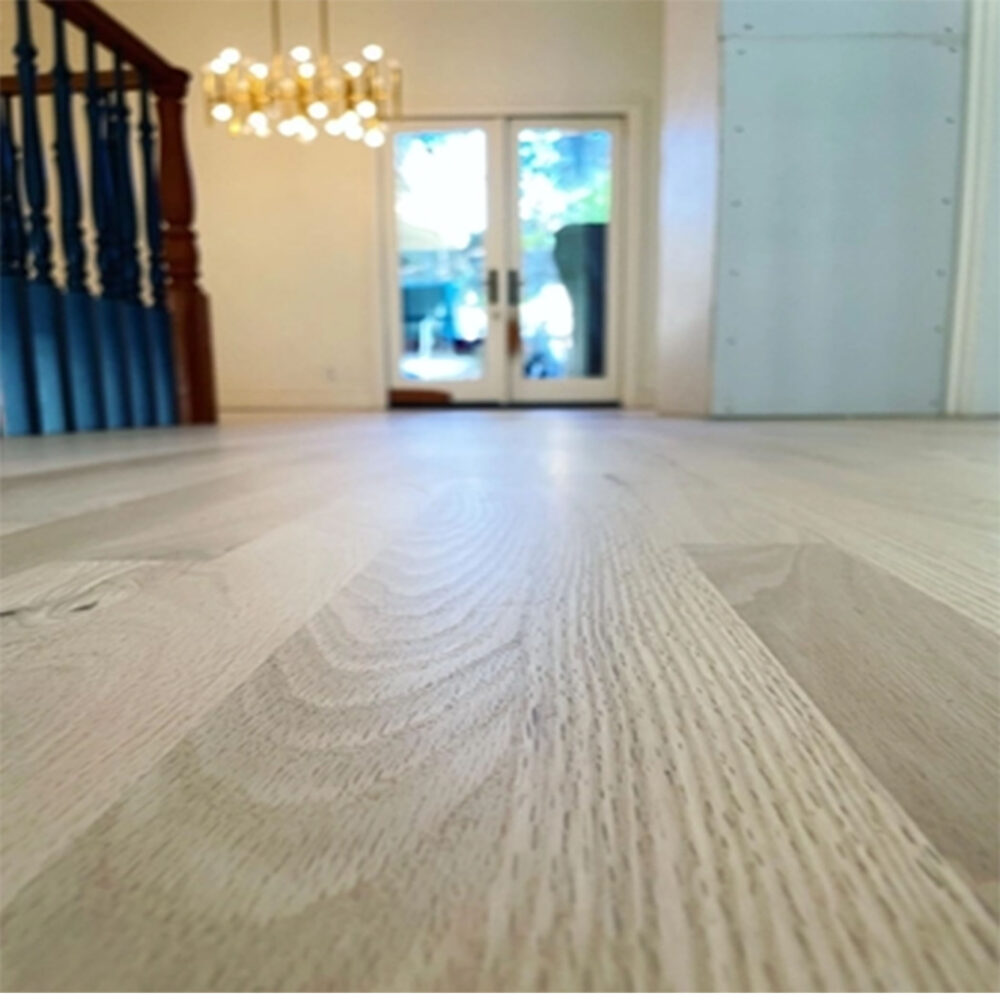
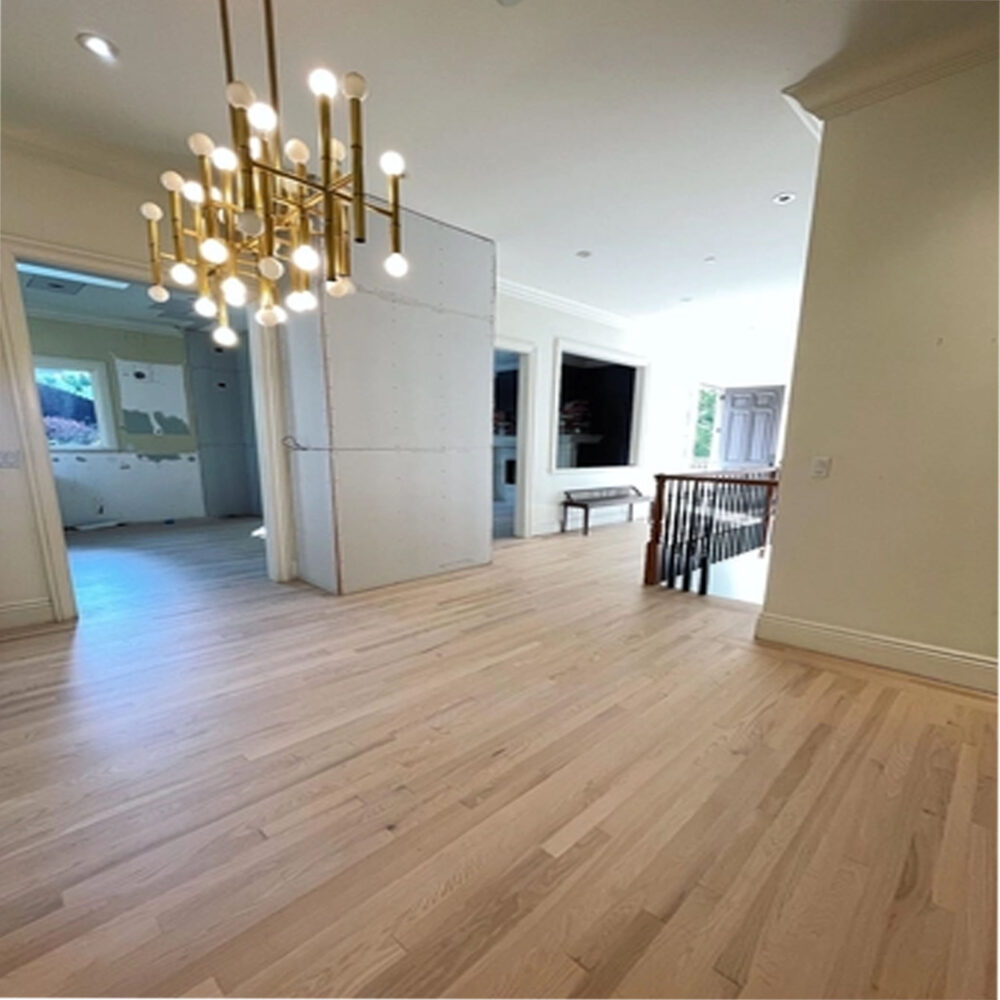
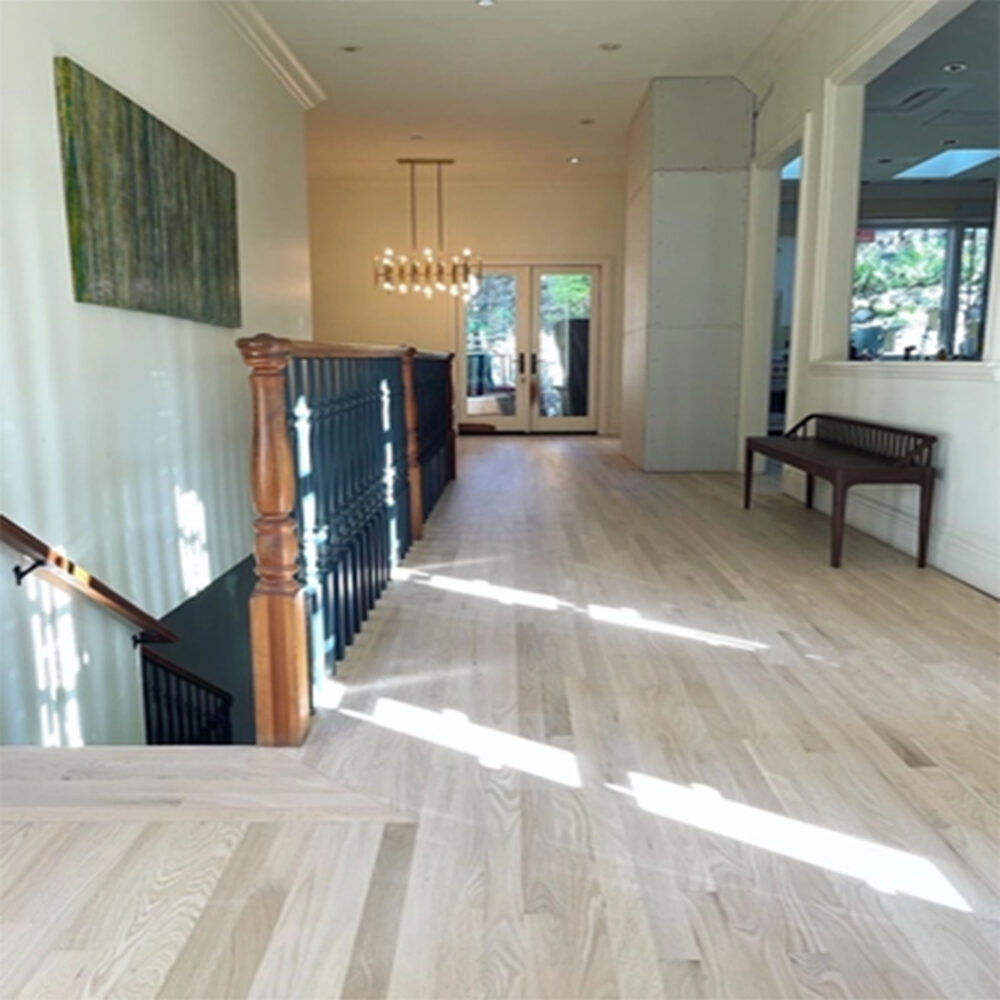
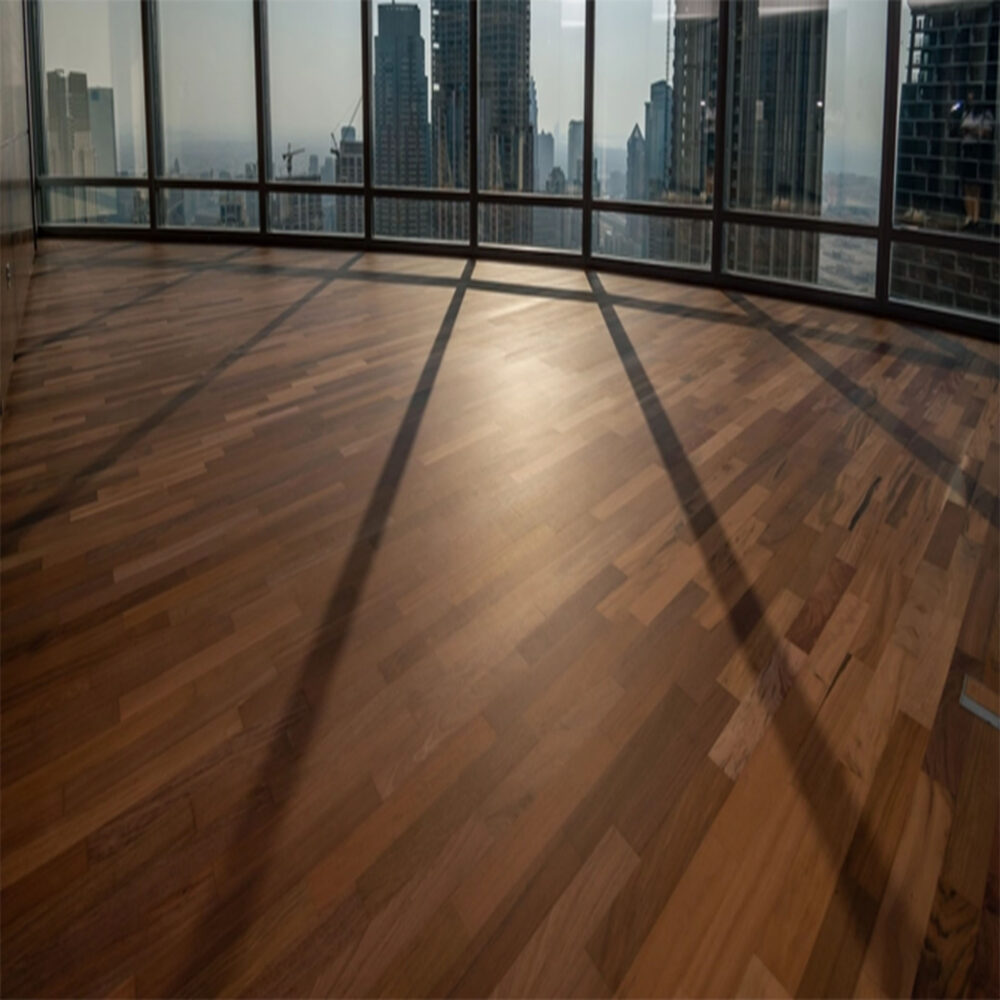
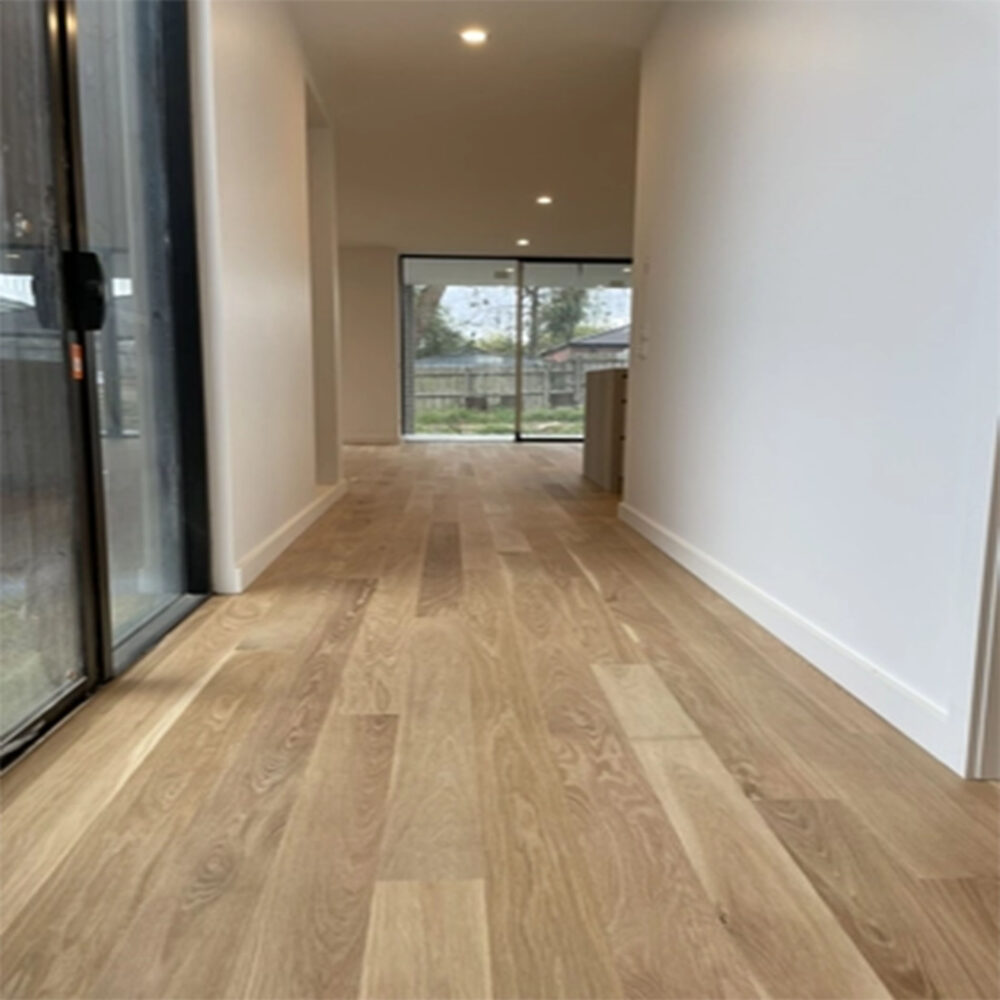
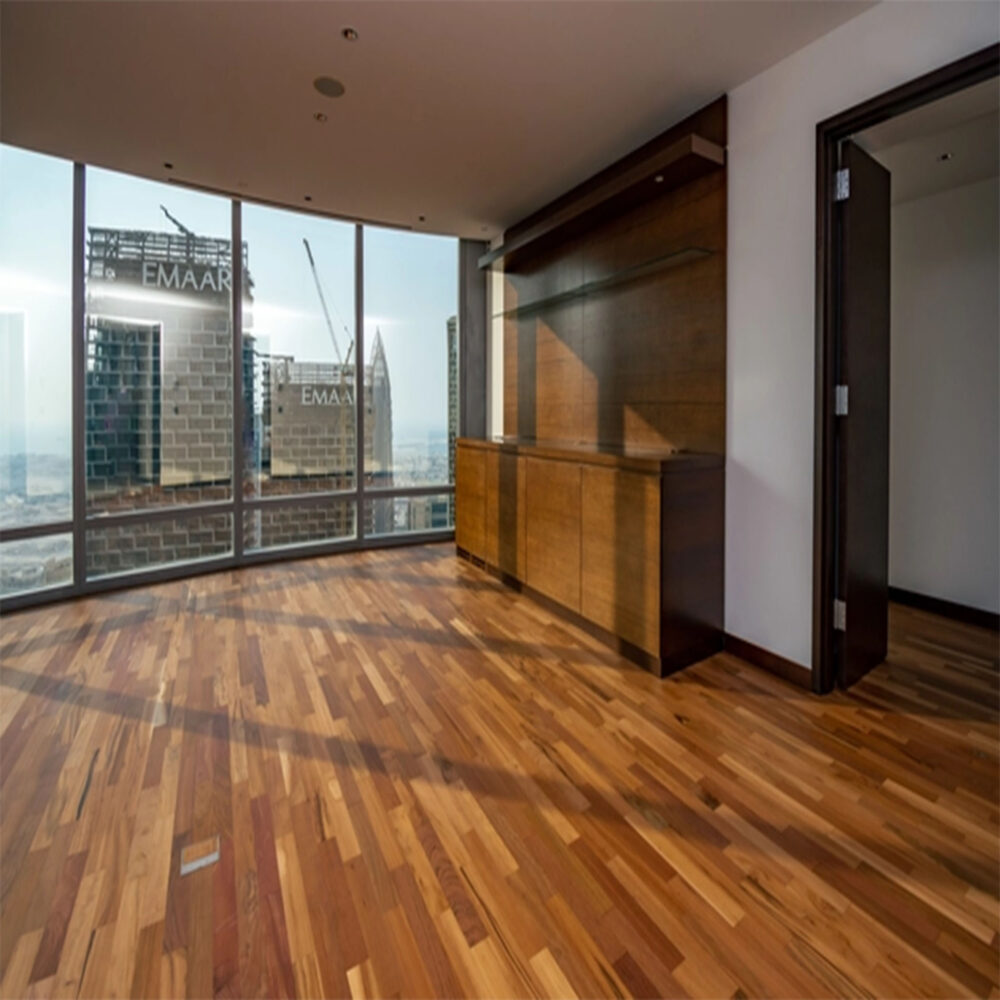
A finished timber floor usually announces itself. 2K InvisibleProtect is built for the opposite result: the board keeps the colour, grain and raw feel of untreated timber, while carrying the wear resistance of a two-component finish underneath. Walk on it barefoot and it reads as bare wood.
It builds in two coats with no primer, reaches light use after 24 hours and is fully resistant after five days. That makes it as practical for a contractor working to a handover date as it is for a homeowner who wanted a raw floor and a floor that survives a family.
Technical Specifications
| Product type | Two-component water-based timber floor finish |
|---|---|
| Look | Invisible, leaving timber looking and feeling untreated |
| Build | Two coats, no primer required |
| Consumption | Approximately 110 to 130 g/m² per coat |
| Intermediate sanding | After 8 to 10 hours, P180 perforated pad or finer |
| Light use | After 24 hours |
| Fully resistant | After 5 days |
| Emissions | EMICODE EC1 PLUS, very low emission |
| VOC class | GISCODE W2/DD+ |
| Slip resistance | DIN 51130 evaluation group R10, certified to DGUV Rule 108-003 |
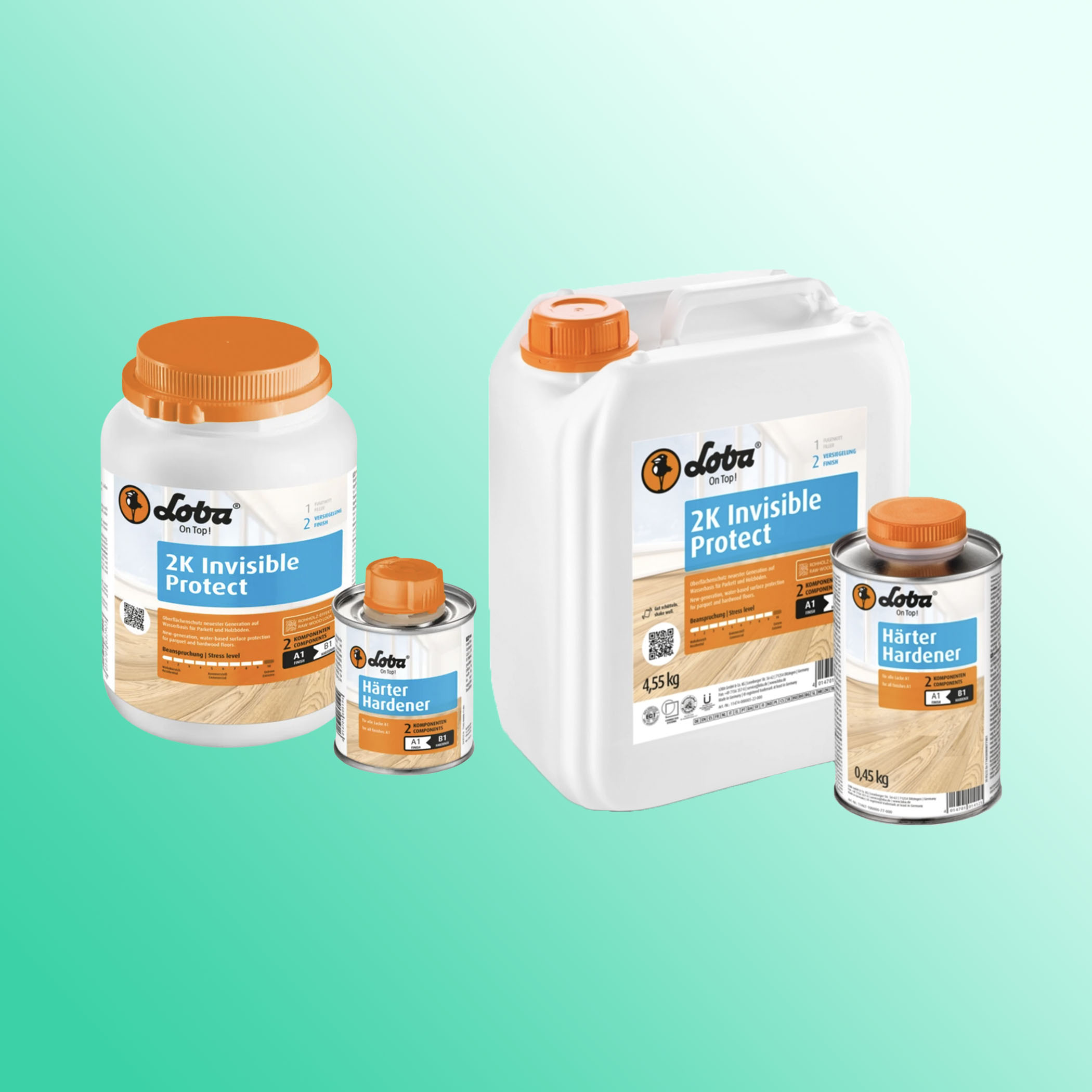
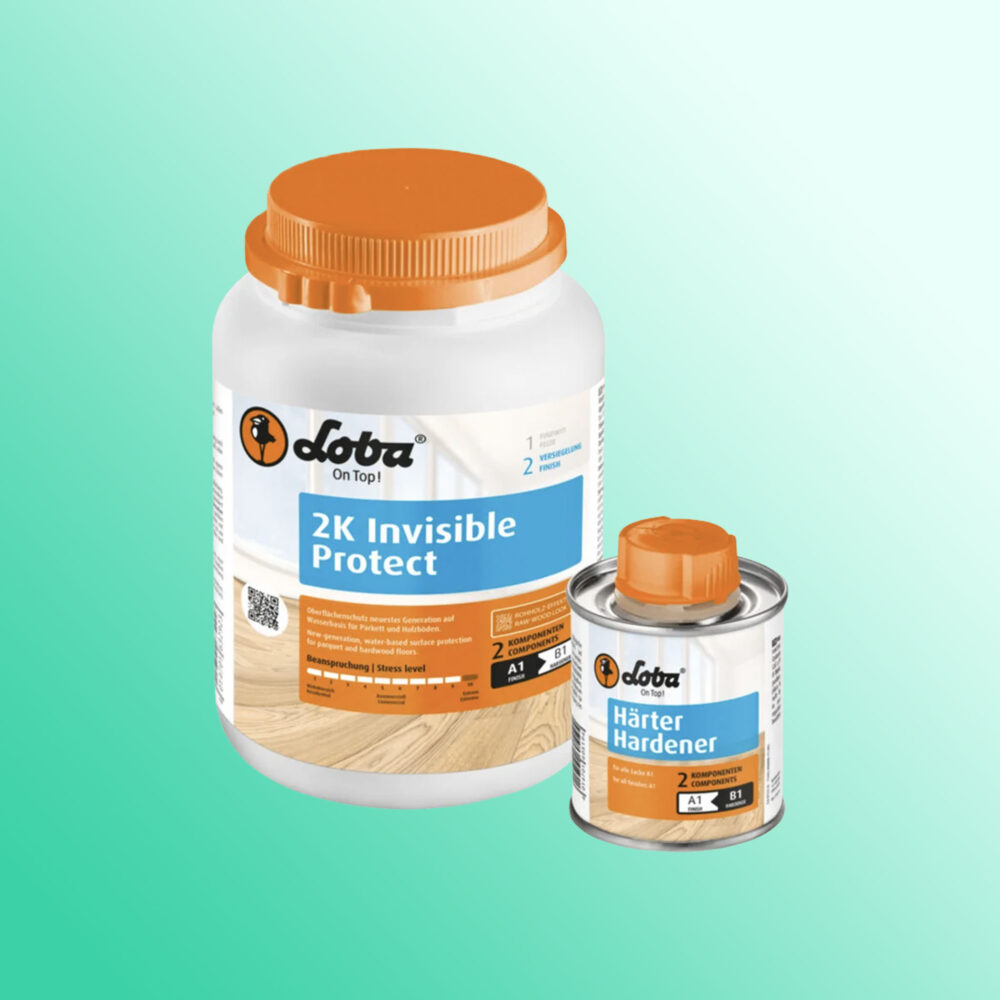
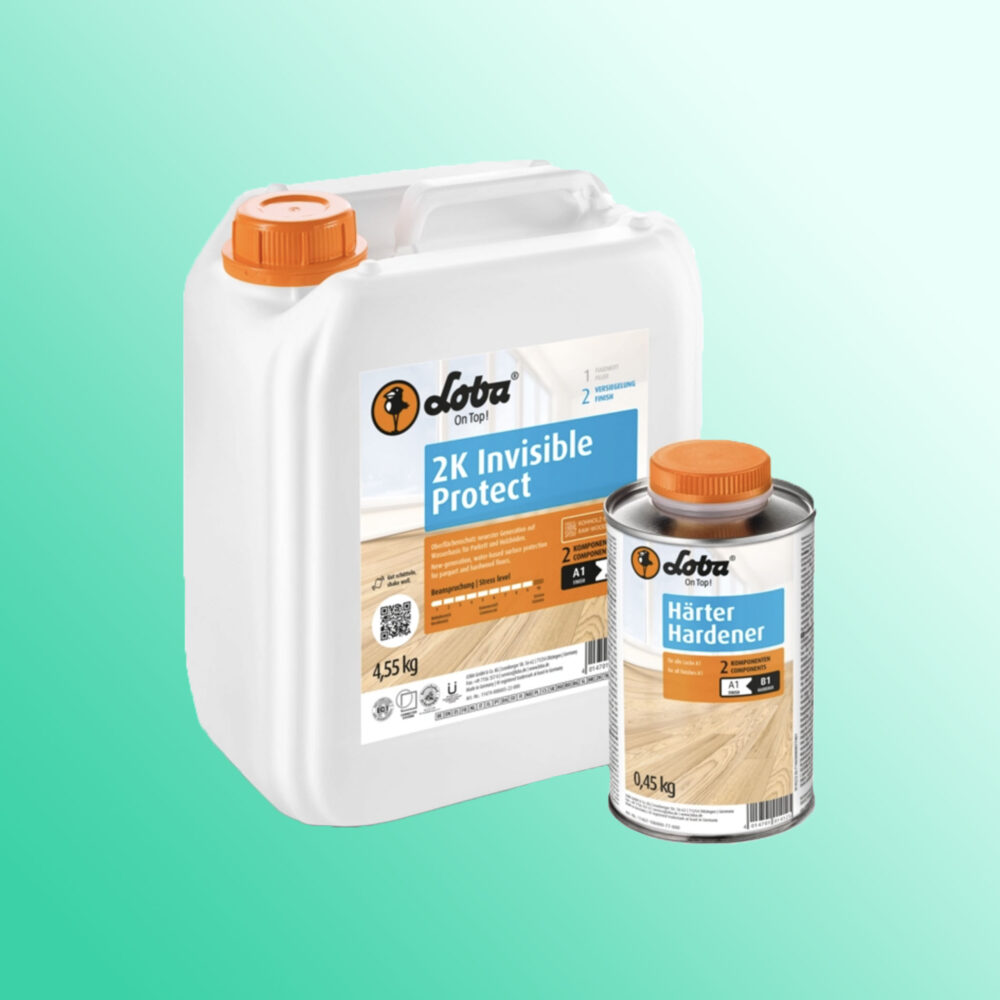
| Pack size | 5 kg kit |
Why Two Coats and No Primer
Most two-component floor finishes want a primer coat first, which adds a day to the programme and another product to the order. 2K InvisibleProtect builds its full protection in two coats of the same material, with an intermediate sand between them at 8 to 10 hours.
That matters commercially as much as practically. Two coats at 110 to 130 grams per square metre means a 5 kg kit covers roughly 19 to 22 square metres of finished floor, and the job reaches light use the next day rather than the day after. For a contractor working to a handover date, a day is the whole margin.
Where to Use
- Timber and cork floors where the raw, untreated look is the point
- Heavy traffic residential areas
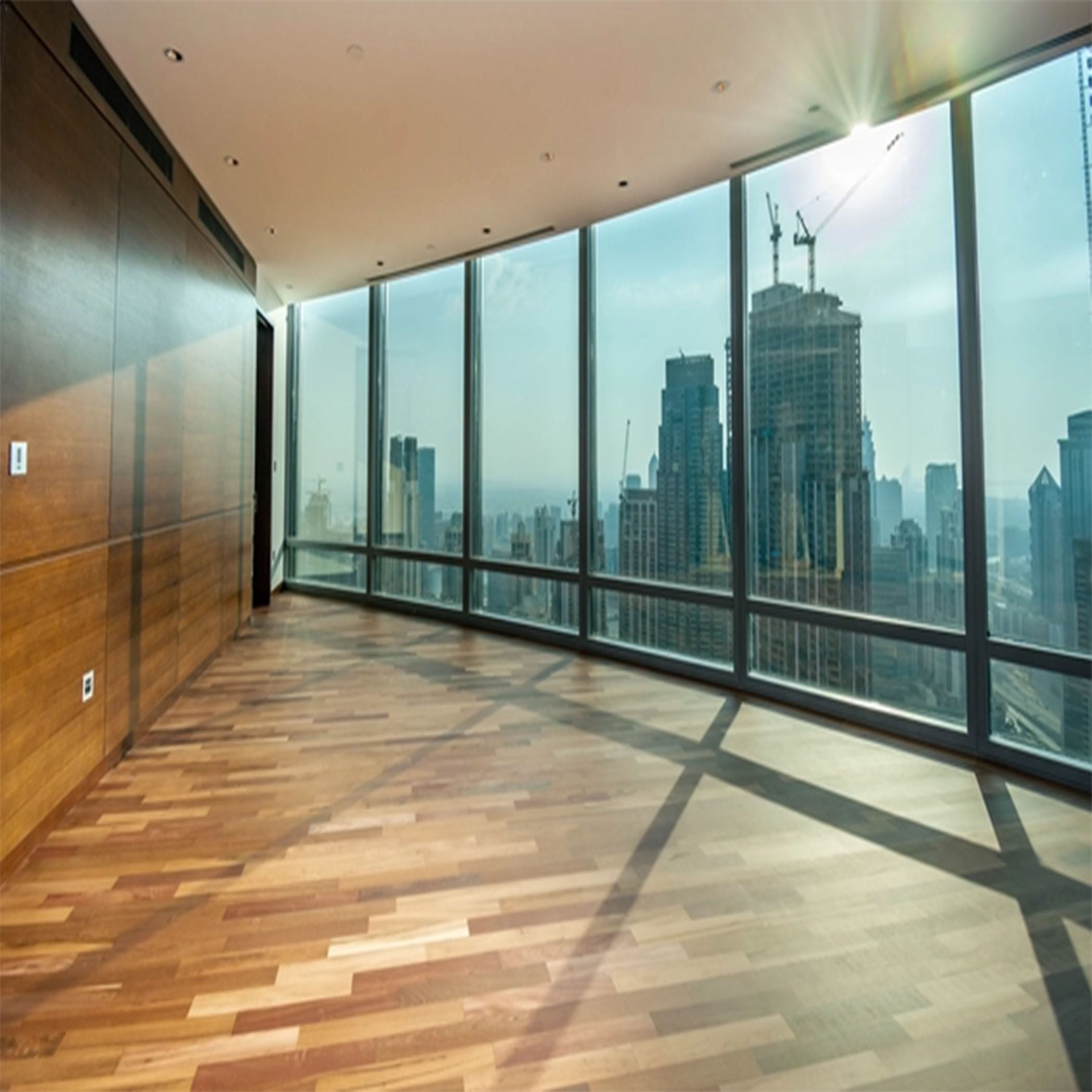
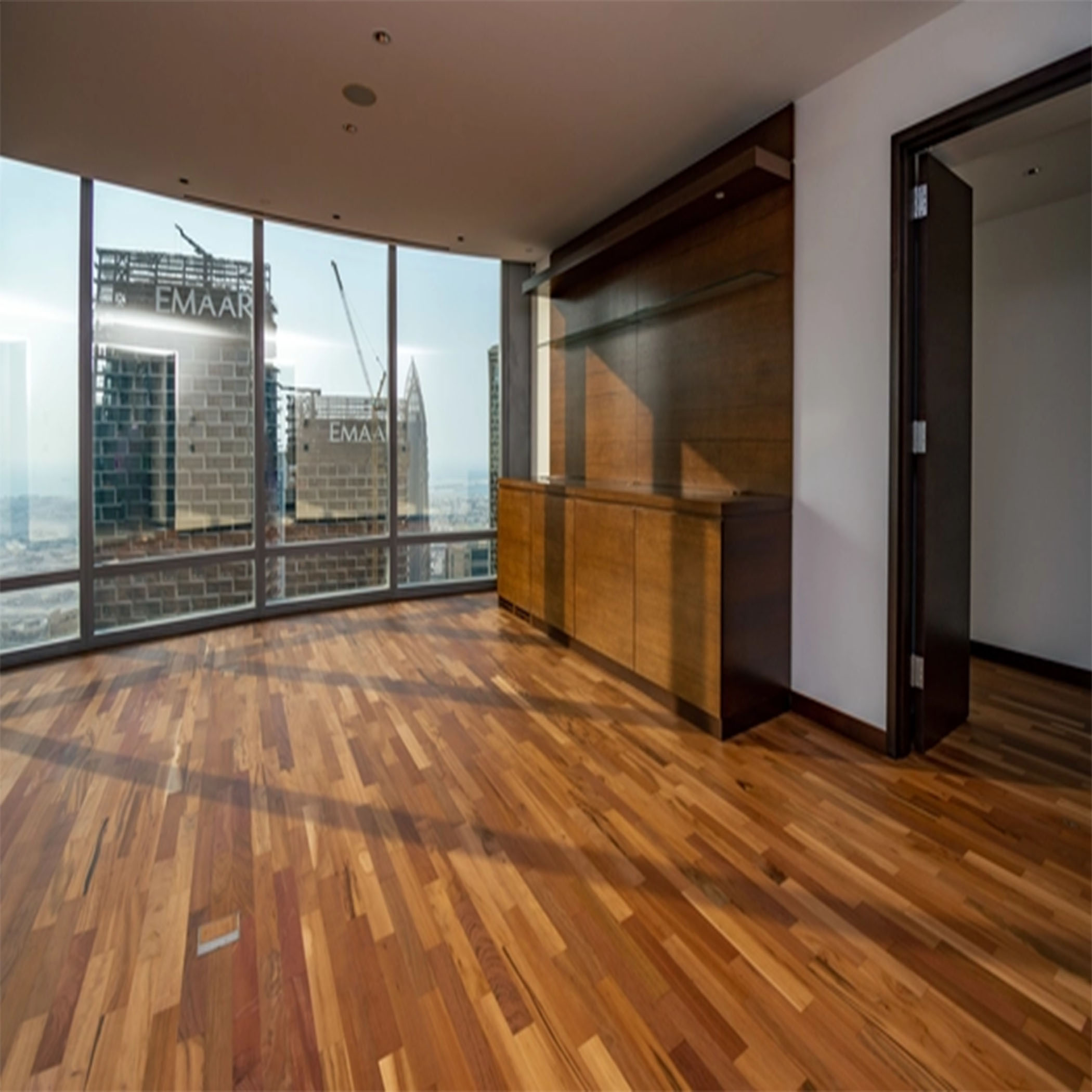
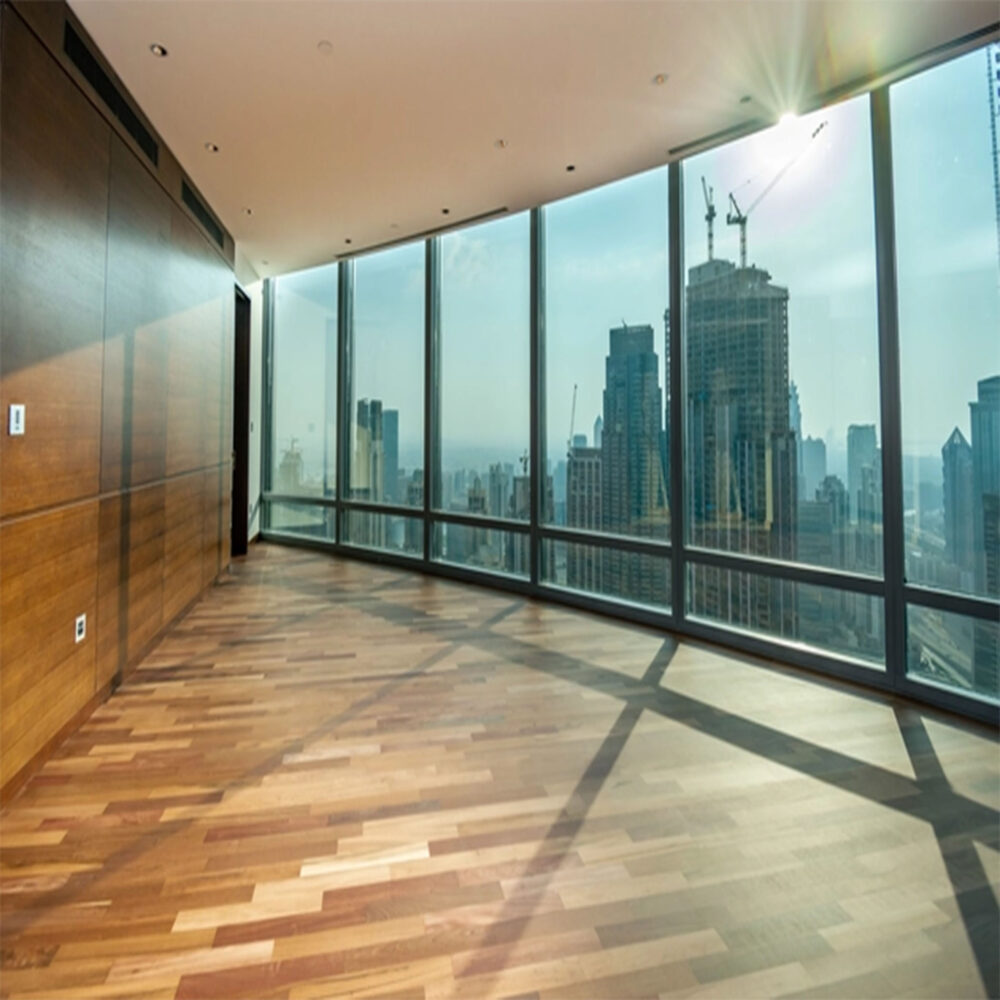
- Commercial floors needing certified slip resistance
- Floors where low emissions matter, such as schools and healthcare
How to Apply
- Sand and de-dust: Take the surface back properly and remove all dust before the first coat.
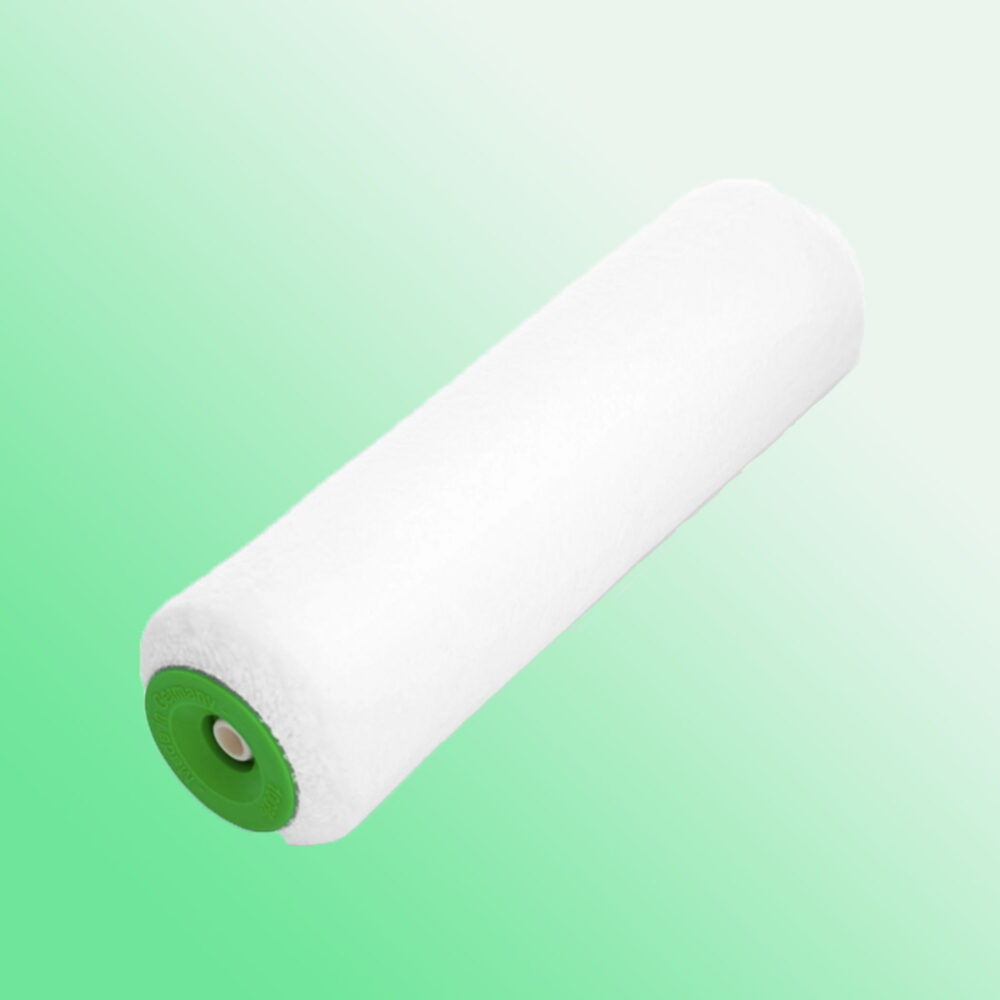
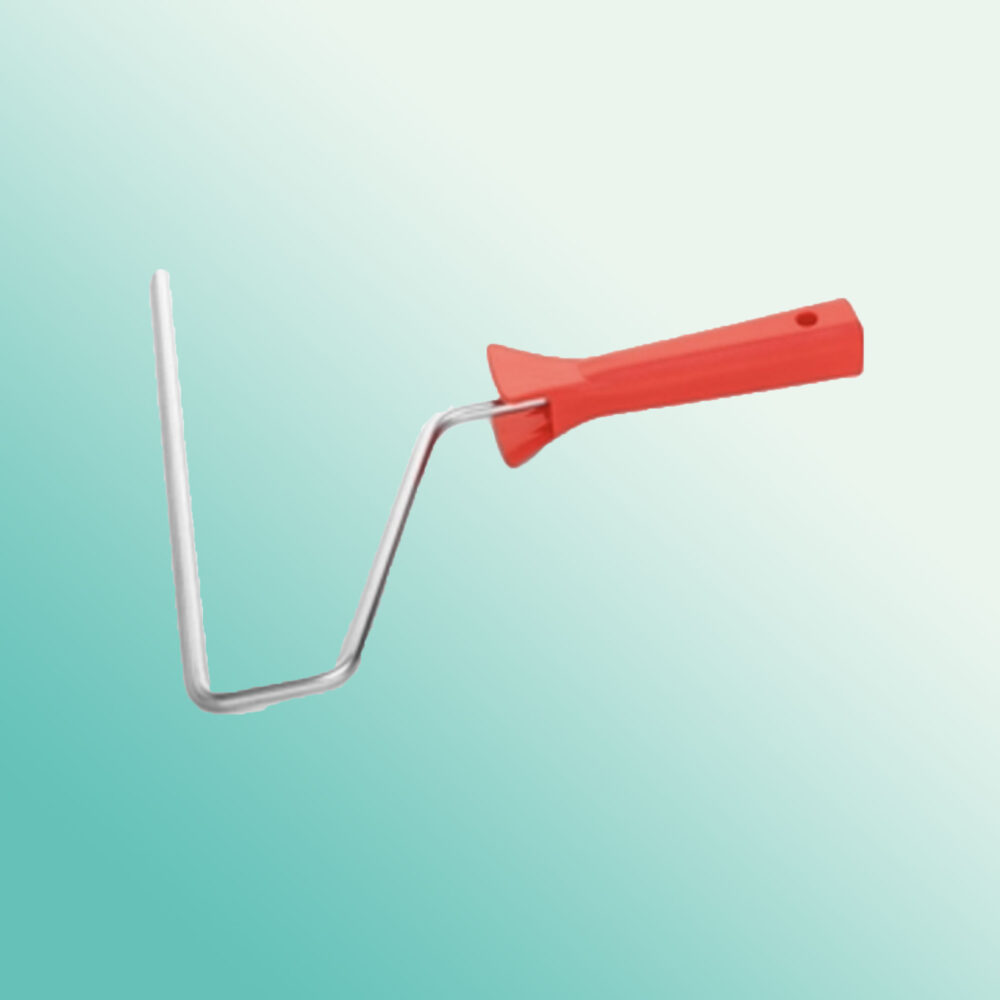
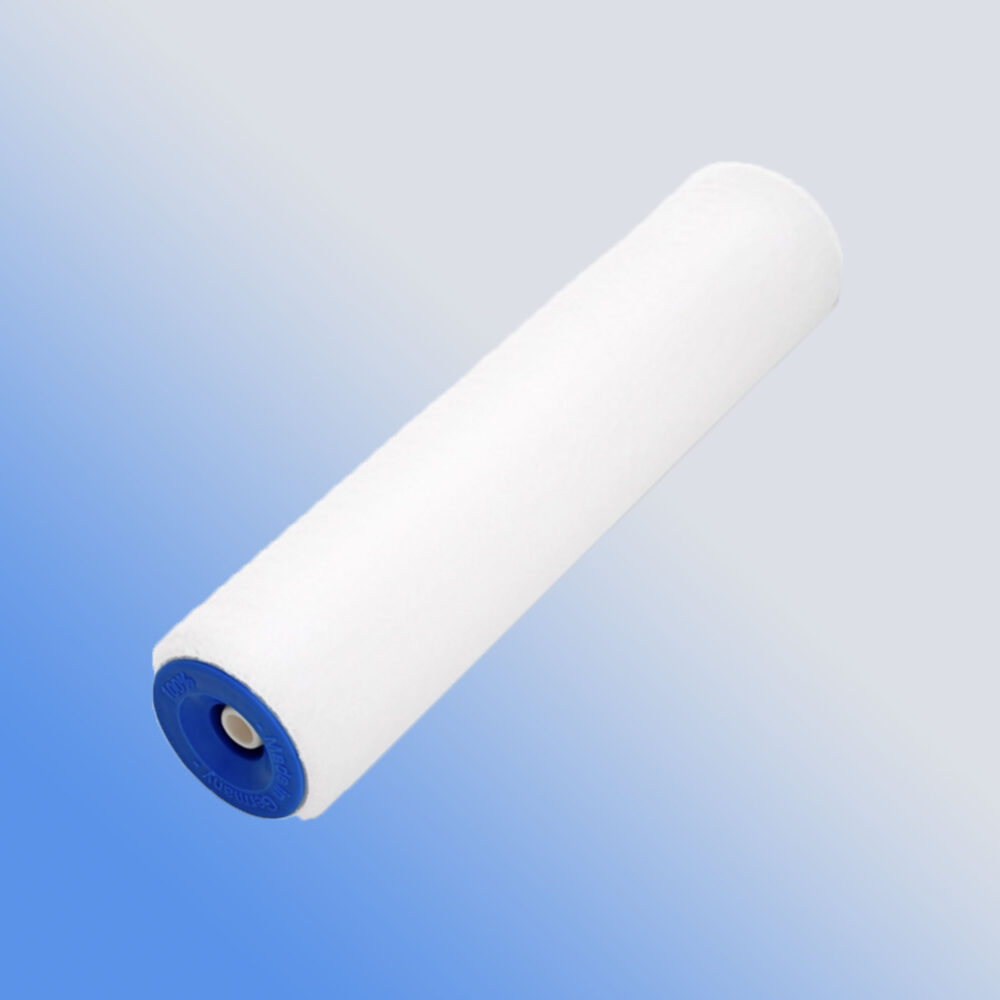
- First coat: Apply with a roller at approximately 110 to 130 g/m².
- Intermediate sand: After 8 to 10 hours, sand with a P180 perforated pad or finer.
- Second coat: Apply the second coat at the same rate. A third coat is optional after another intermediate sand.
- Cure: Light use after 24 hours. Keep rugs and heavy furniture off until it is fully resistant at five days.
Important Notes
- The look depends on the sanding. Any scratch left in the timber stays visible, because nothing in this system fills or masks it.
- Do not put the floor back into full service before five days, regardless of how dry the surface feels.
- Certified R10 slip resistance applies to the cured finish, not to a partially cured one.