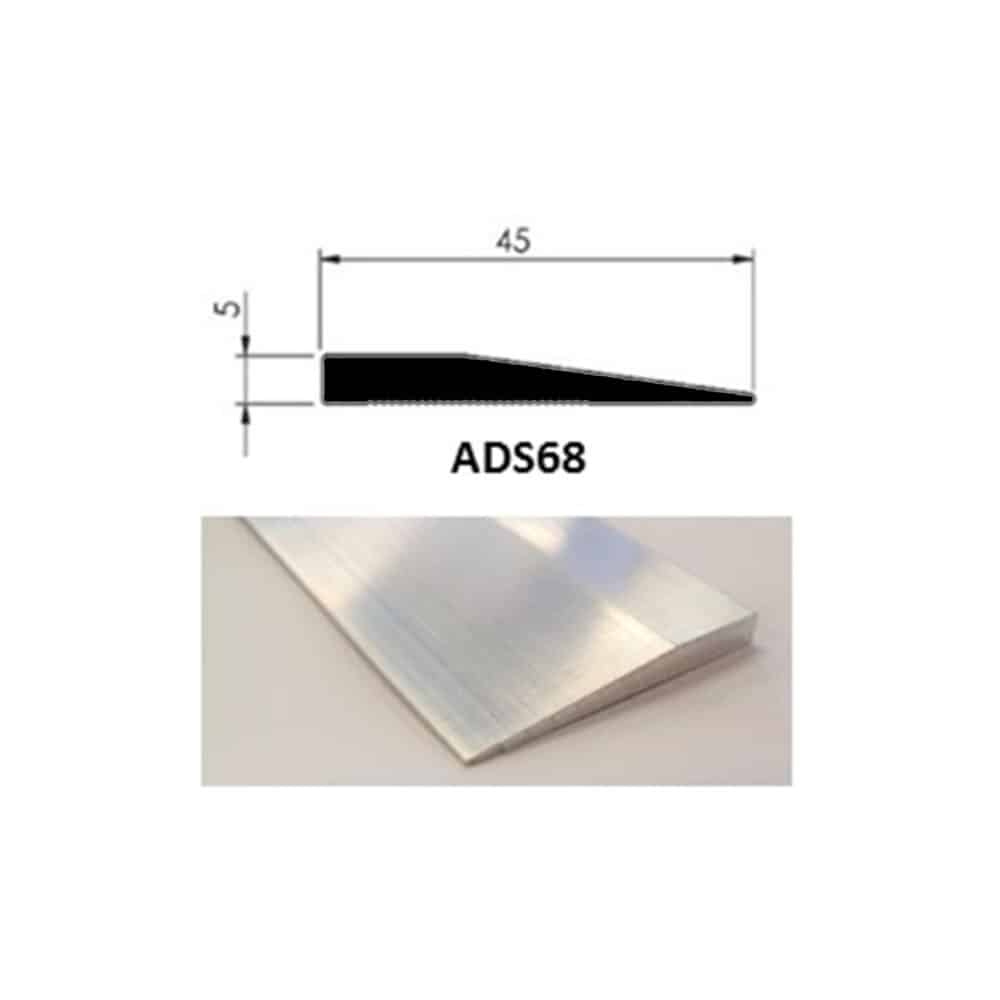
Description
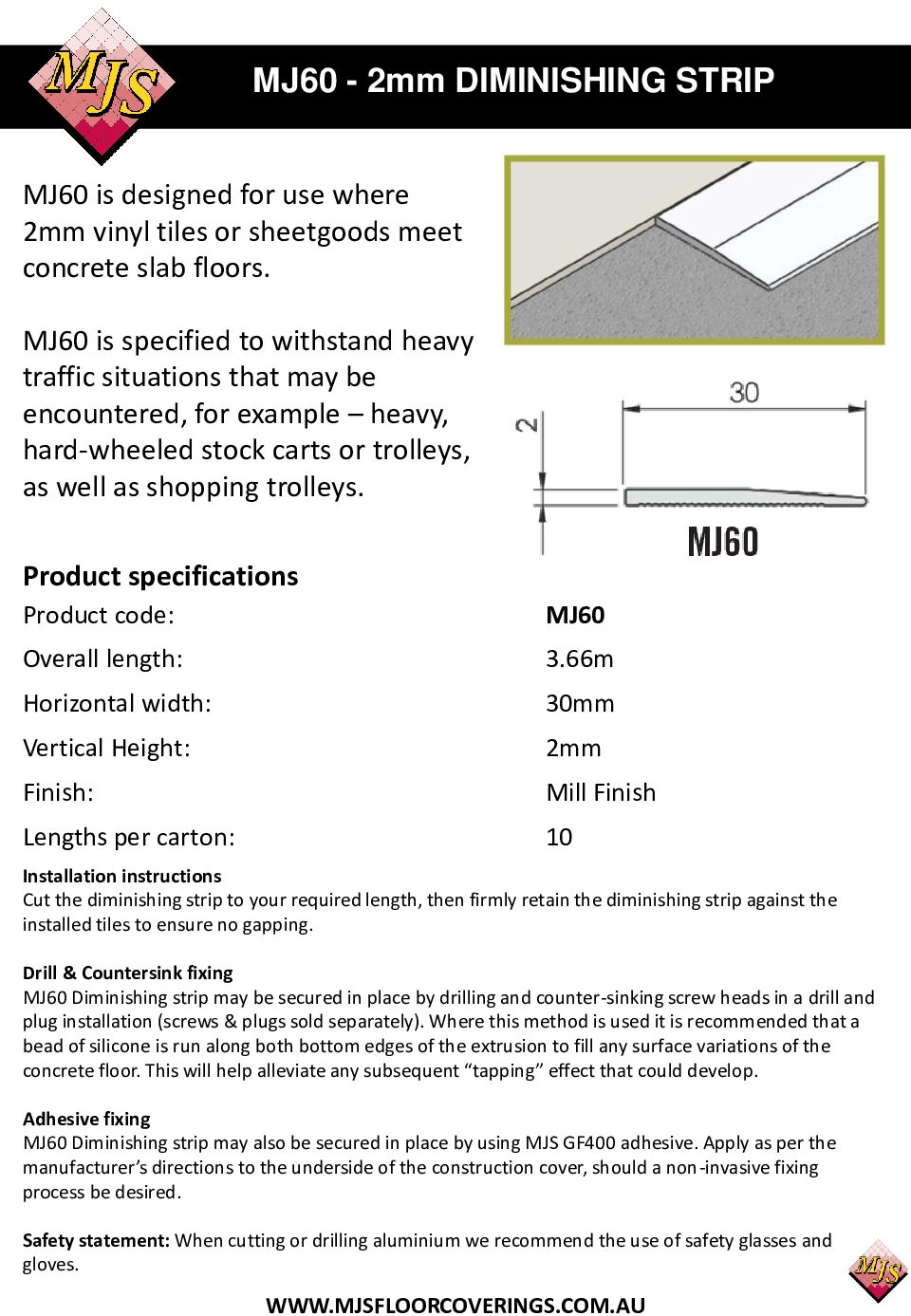
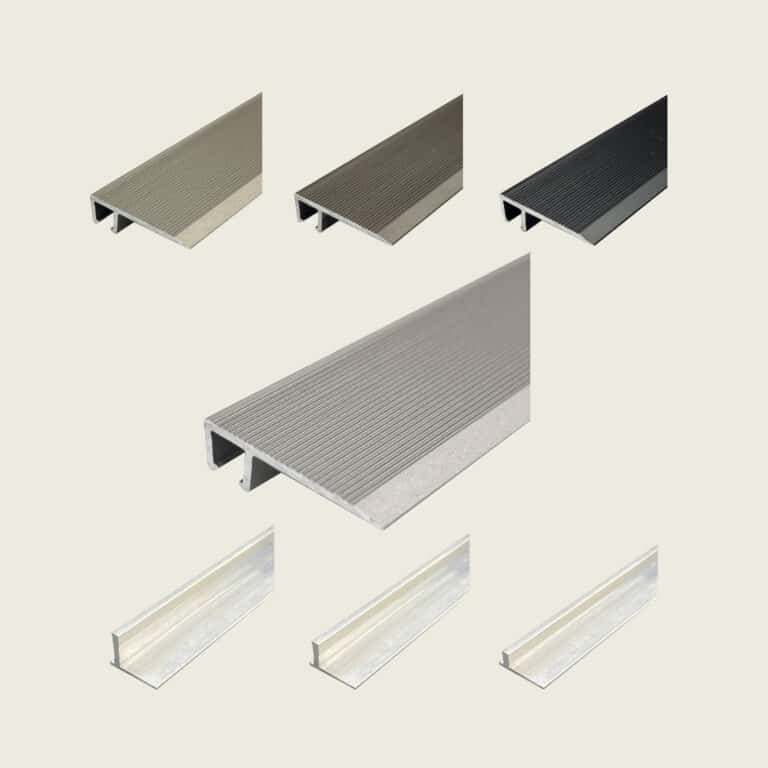
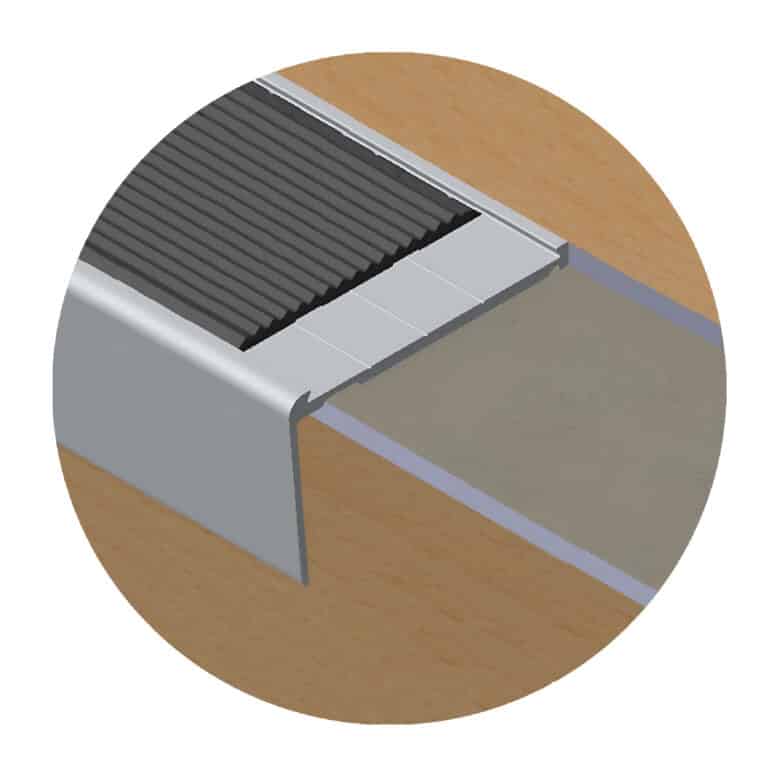
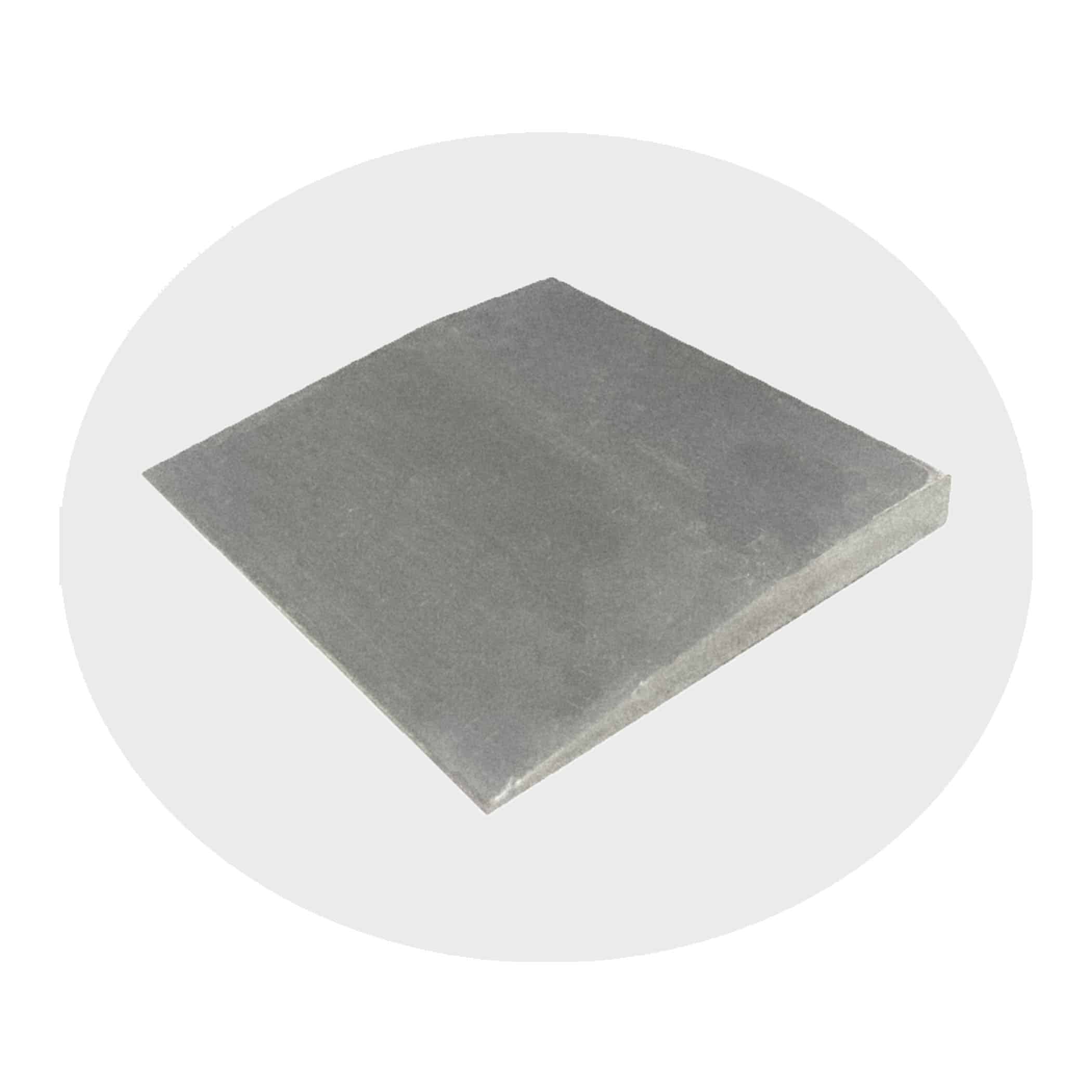
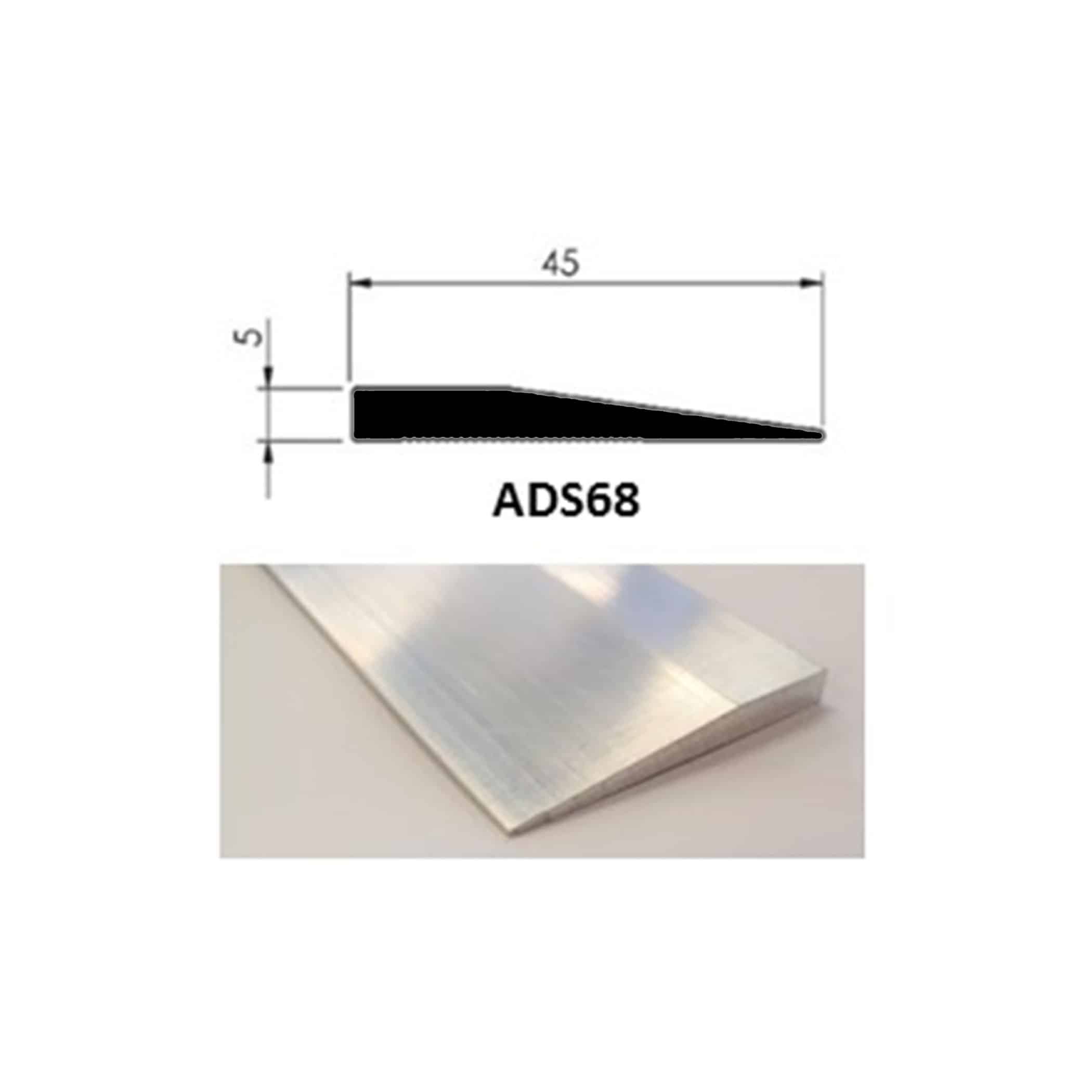
The MJS Diminishing Transition Strip creates a low-profile, seamless transition where thin sheet flooring meets a concrete slab or an adjoining floor covering, avoiding the trip hazard and unfinished look of a raw floor edge. This 5mm-height variant (supplier code MJ68M) is supplied in mill-finish aluminium, 45mm wide, in 3.66 metre lengths packed 10 to a carton.
The wider MJS diminishing-strip range is specified to withstand heavy traffic, including hard-wheeled stock carts, trolleys and shopping trolleys, which is why aluminium rather than a softer trim material is used across the range. As with other profiles in the family, it can be fixed either mechanically or with adhesive, depending on whether a non-invasive fixing method is preferred for the substrate.
Technical Specifications
| Height | 5mm |
|---|---|
| Width | 45mm |
| Length | 3.66m |
| Finish | Mill finish |
| Carton quantity | 10 lengths |
| Supplier code | MJ68M |
Where to Use
- Transitions where thin sheet flooring or tiling meets a concrete slab
- Areas subject to heavy foot or wheeled traffic
- Commercial and retail floors needing a durable, low-profile edge finish
How to Apply
- Cut to length — cut the strip to the required run length.
- Position against the flooring — hold firmly against the installed floor covering to avoid gapping.
- Fix mechanically — drill and countersink for a screw-and-plug installation (screws and plugs sold separately), running a bead of silicone along both bottom edges to fill any surface variation in the concrete.
- Or fix with adhesive — apply a suitable MJS-compatible adhesive to the underside for a non-invasive fixing method, following the adhesive manufacturer’s directions.
Important Notes
- Wear safety glasses and gloves when cutting or drilling the aluminium profile.
- A silicone bead under a drilled-and-plugged installation helps prevent a tapping sound developing over time from an uneven concrete surface.
- The same MJS diminishing-strip range is also available in 3mm height for thinner sheet-goods transitions — confirm the correct height for the flooring being installed.
Choosing between the mechanical and adhesive fixing methods usually comes down to whether the substrate can take screw fixings without compromising a waterproofing layer underneath. Drilling and countersinking gives the most secure long-term hold in a high-traffic commercial area, which is why the silicone bead along both bottom edges matters — without it, small variations in the concrete surface can let the strip flex slightly underfoot over time, producing a hollow tapping sound that gets more noticeable as traffic wears in. Adhesive fixing avoids penetrating the substrate altogether, which is the better choice over a membrane or where drilling isn’t practical, provided the MJS-compatible adhesive is applied per the manufacturer’s instructions for a reliable bond.