Description
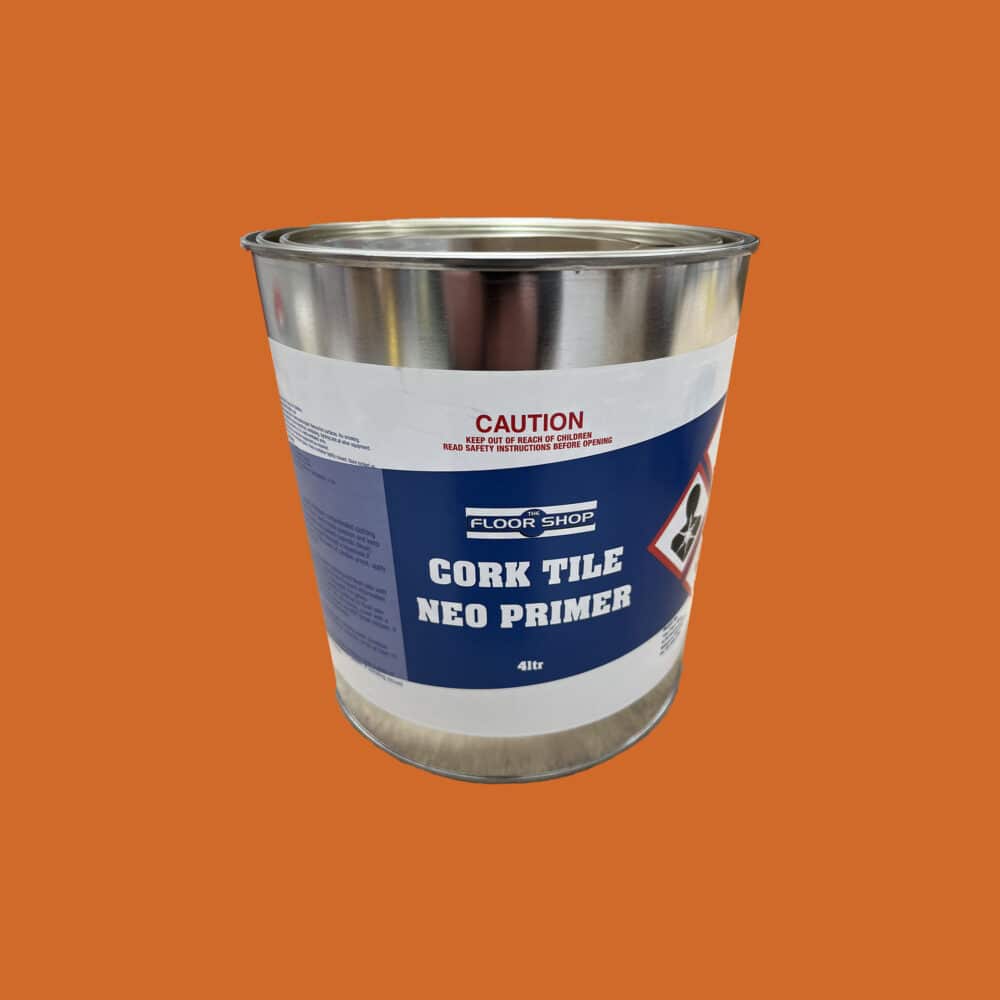
Cork Tile Neo Primer is purpose-built to prepare substrates specifically ahead of cork tile installation using The Floor Shop’s own Cork Contact Adhesive, rather than being a general-purpose flooring primer applied to any adhesive system. Using a matched primer-and-adhesive combination like this generally gives more predictable bonding results than mixing products from different suppliers, since the primer’s chemistry is developed to work with that specific adhesive’s formulation.
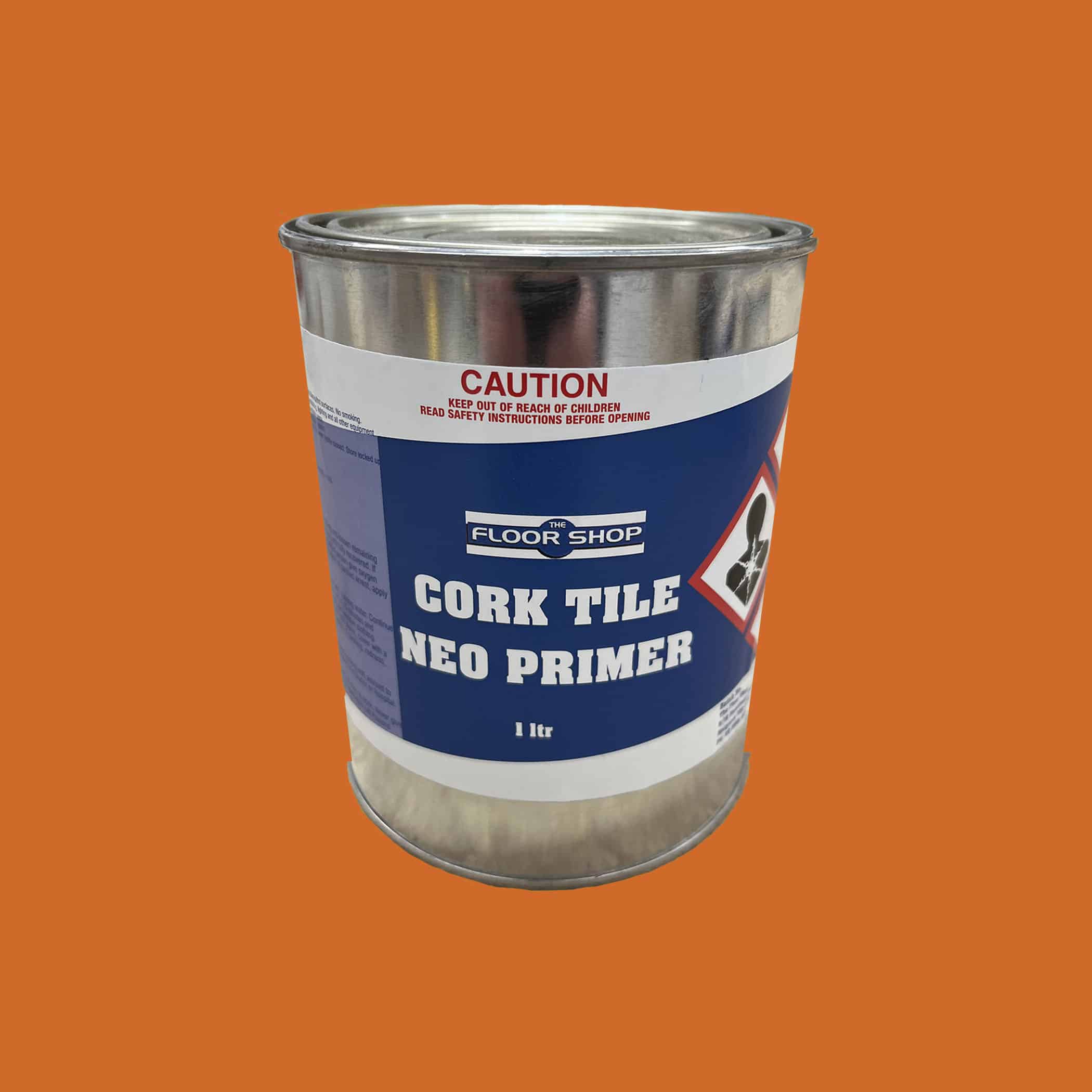
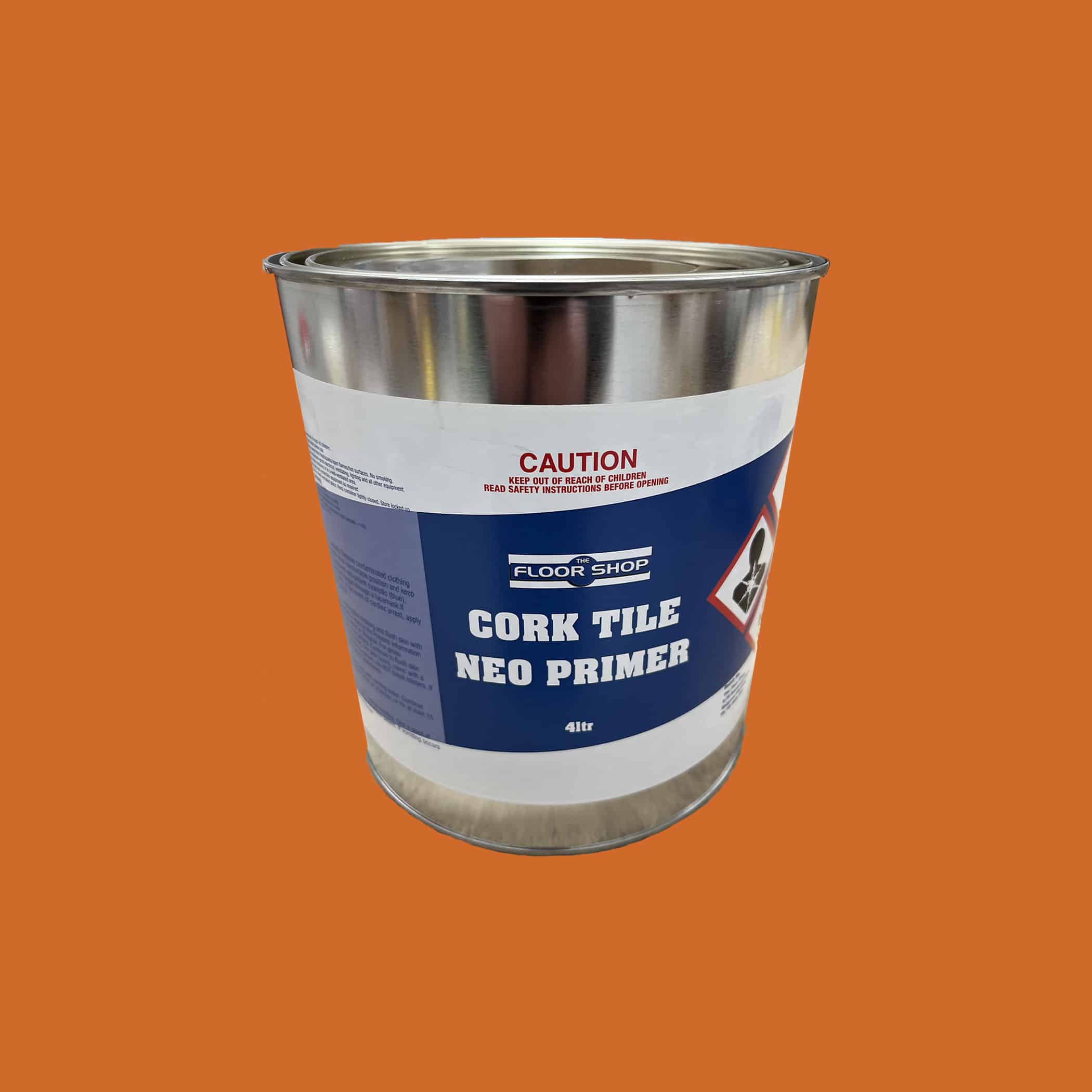
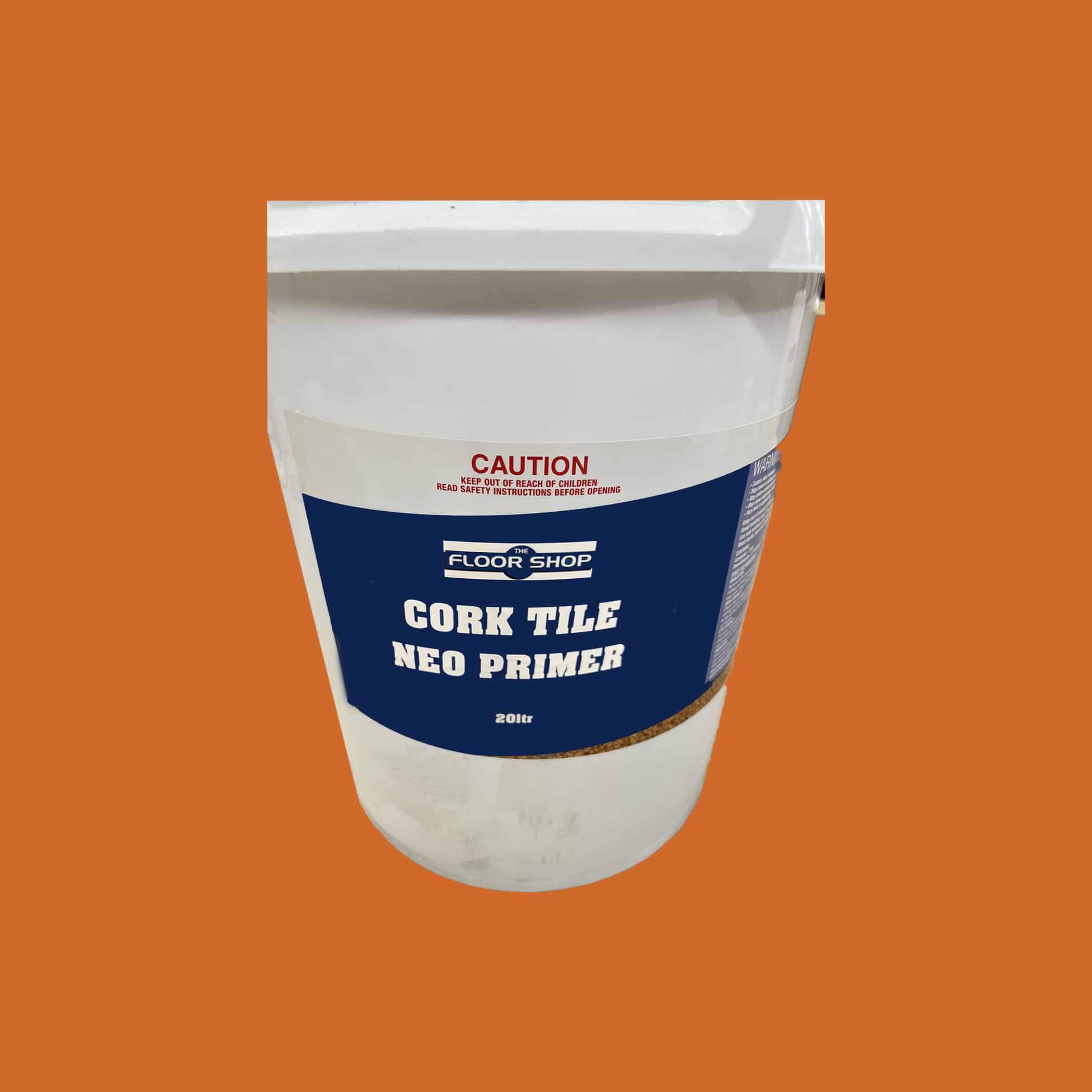
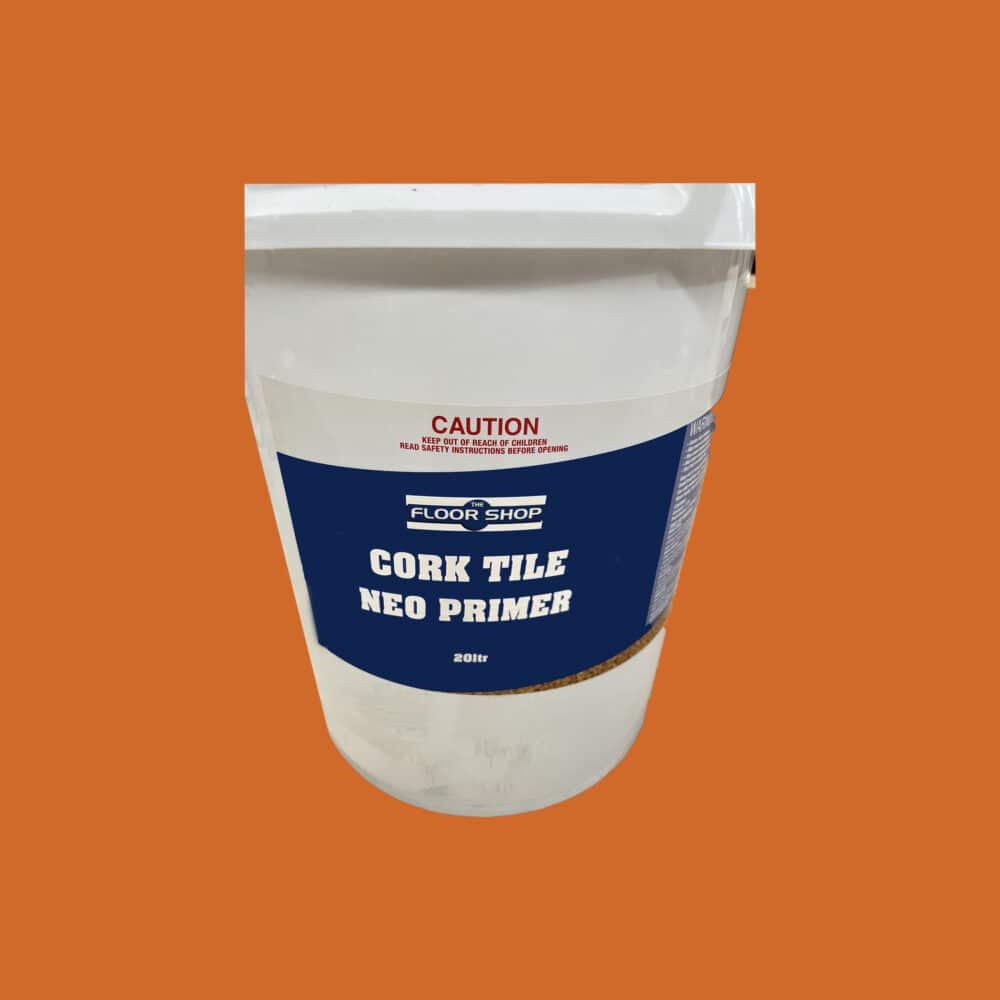
At approximately 8m² per litre coverage, quantity planning for a cork tile job is straightforward, and the range of pack sizes — from a 1 litre bottle for a small repair job up to a 20 litre container for larger commercial cork installations — covers a wide range of job scales from the one product line.
Technical Specifications
| Coverage | Approximately 8m² per litre |
|---|---|
| Packaging | 1, 4 and 20 litre |
| Used with | The Floor Shop Cork Contact Adhesive |
How Much You Need
At approximately 8 square metres per litre, a 1 litre bottle primes about 8 square metres, a 4 litre container about 32, and a 20 litre container about 160. A porous or unsealed substrate will absorb more than a dense one, so add an allowance rather than ordering to the exact figure.
Getting the substrate right is one of the more overlooked steps in a cork floor installation. Cork’s relatively soft, porous backing bonds far more predictably to a primed surface than to a raw one, and a matched primer and adhesive pairing removes the guesswork that comes from combining products from different suppliers.
Where to Use
- Preparing substrates ahead of cork tile installation
- Jobs using The Floor Shop’s Cork Contact Adhesive specifically
How to Apply
- Prepare the substrate — ensure it is clean, dry and sound before priming.
- Apply the primer — cover the substrate at the recommended rate of approximately 8m² per litre.
- Allow to dry — let the primer cure before applying Cork Contact Adhesive.
- Apply Cork Contact Adhesive — install cork tiles per the adhesive manufacturer’s instructions.
When Priming Matters Most
A dense, sealed or power-floated slab gives contact adhesive very little to key into, and a dusty or friable one gives it a surface that lifts away under load. Priming addresses both: it binds loose material down and gives the adhesive a consistent surface to grab, so the bond strength comes from the substrate rather than from whatever was sitting on top of it.
Cork is less forgiving here than a heavier covering. A vinyl plank has enough mass and rigidity to stay put over a marginal bond, whereas cork tile is light and flexible enough that a failed edge will lift and stay lifted. Priming is cheap relative to pulling a floor up.
Important Notes
- This primer is specifically matched to The Floor Shop’s Cork Contact Adhesive — confirm compatibility before using with a different adhesive system.
- Prime the full area in one session where possible, so the whole substrate reaches the adhesive in the same condition.