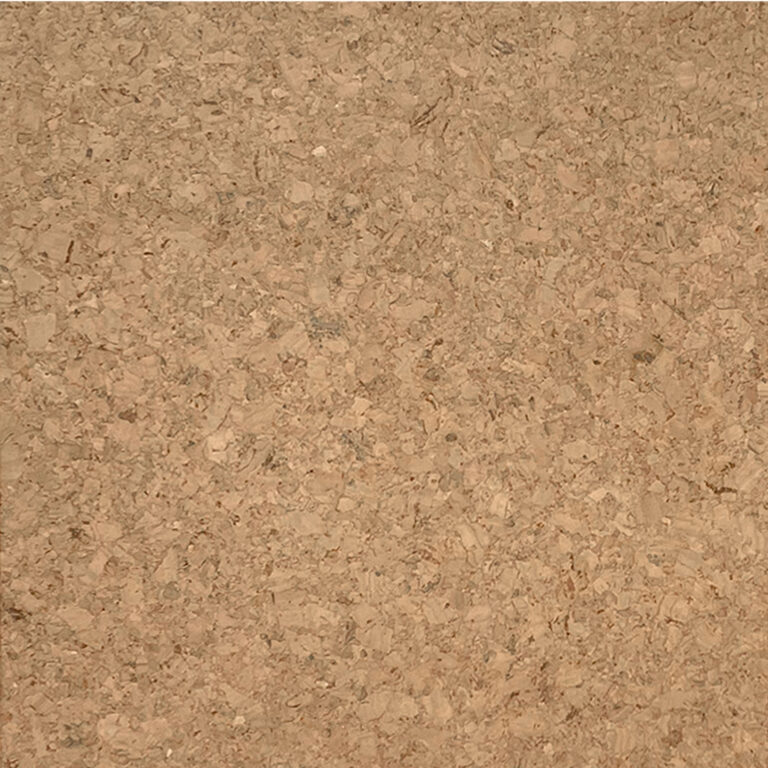
Why people choose cork underfoot
People choose cork for the feel: CorkArt says its air-filled structure gives “warmth underfoot and almost silent footfalls”, and describes cork as a warm, comfortable and resilient surface that is less affected by impact and friction than other hard surfaces.
Cork is the outer bark of the cork oak (Quercus suber). CorkArt explains that it is a tight web of up to 40 million cells per cubic centimetre, and the gas held in those cells is what lets cork insulate and re-expand quickly after compression.
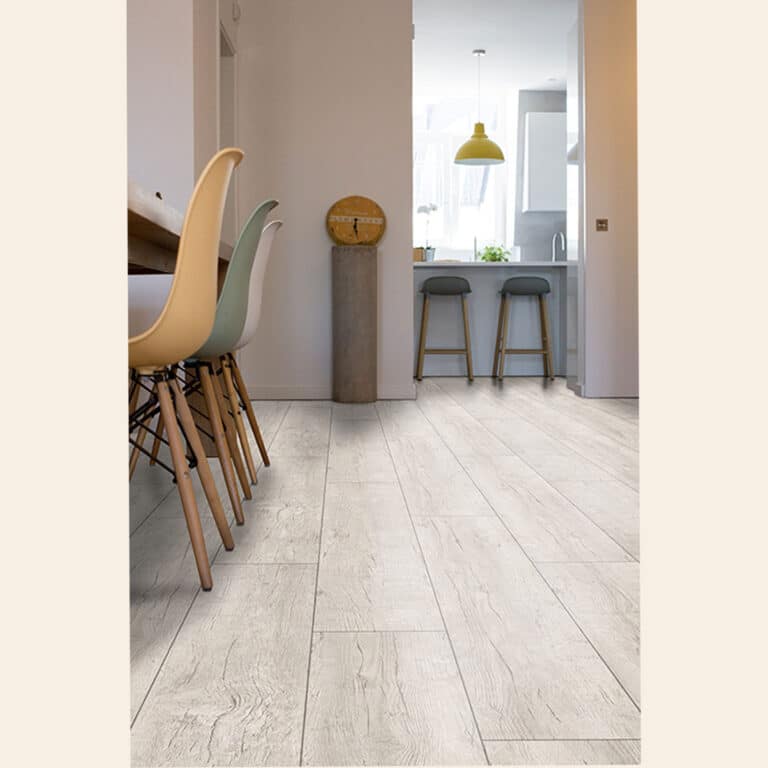
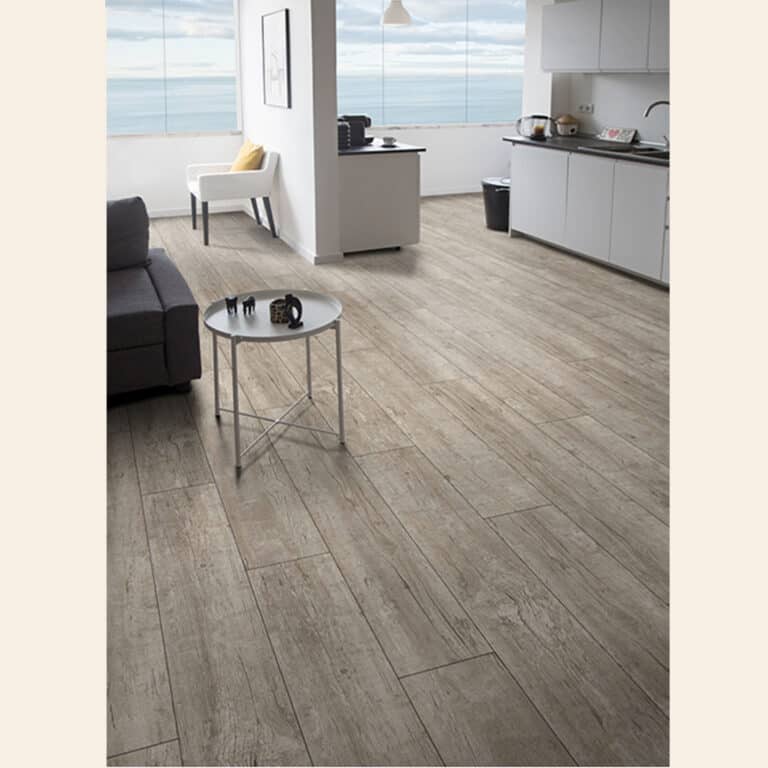
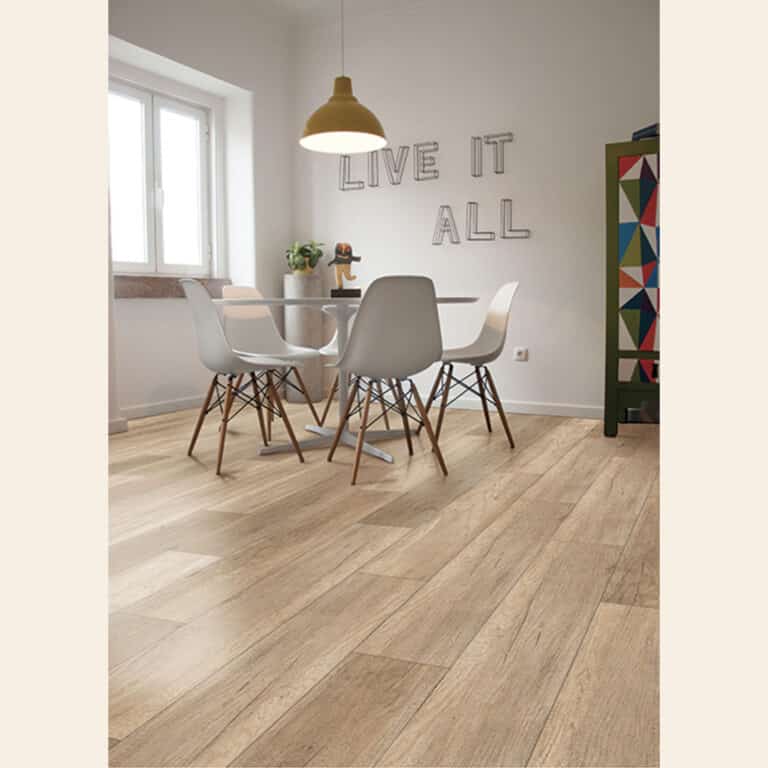
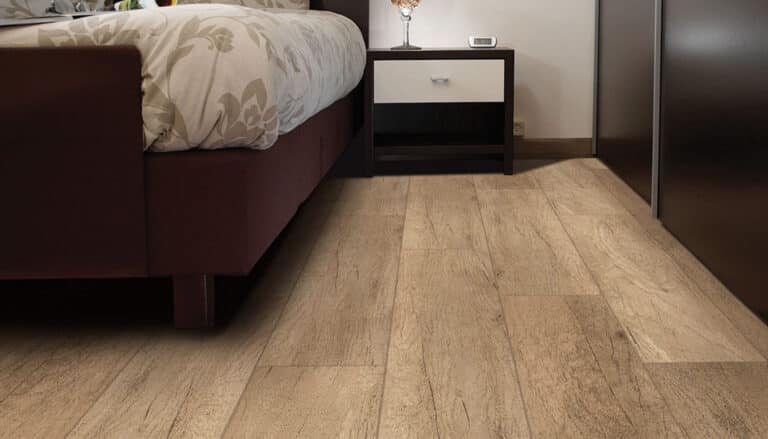
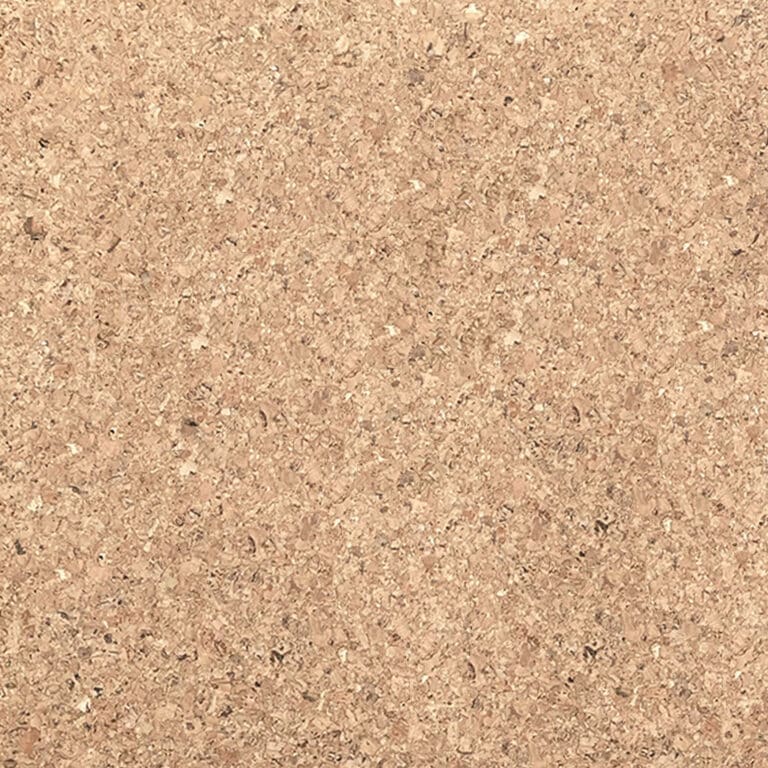
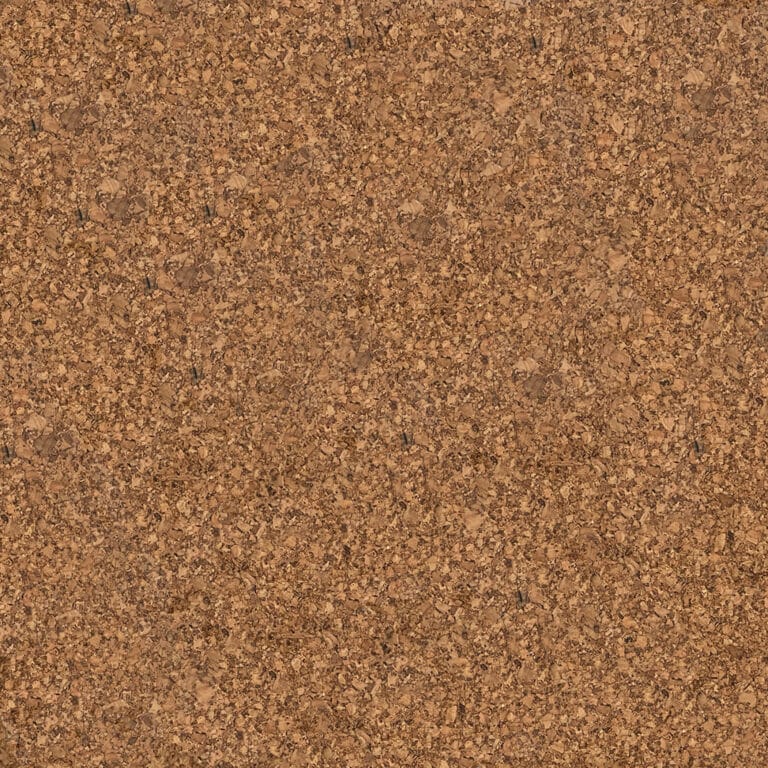
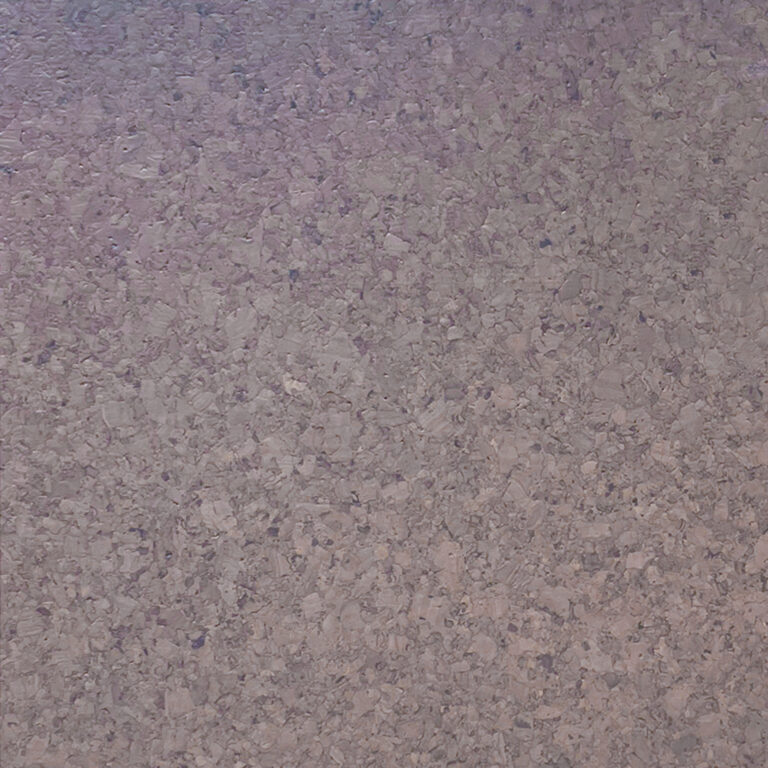
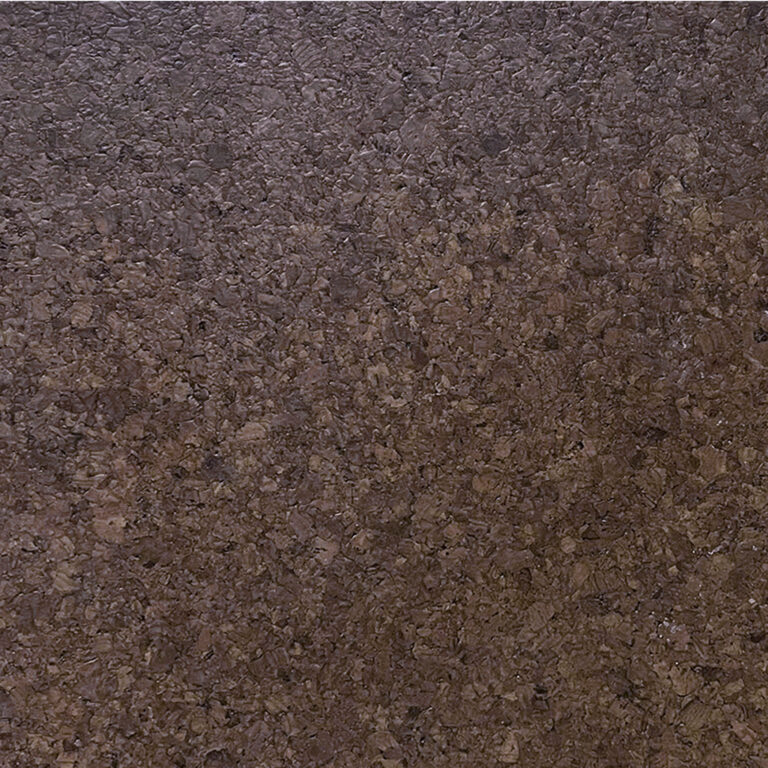
As a natural product, cork varies in colour and texture from plank to plank. CorkArt does not treat this as a defect and suggests mixing planks from several cartons.
Floating (click) or glue-down?
Floating floors click together without glue. CorkArt’s planks have a high density fibreboard core between an agglomerated cork surface and a soft cork backing, joined with the UNICLIC tongue and groove. CorkArt says you can walk on the floor immediately after installation.
CorkArt’s laying guide calls for a subfloor that is even, perfectly dry, flat and clean, with variations of no more than 3 mm over 3 metres. It allows a floating floor over ceramic tile, wood or resilient flooring, but not carpet. Over cement, tiles or where rising damp is possible, the guide requires a 0.2 mm polyethylene sheet first. It also requires 10 to 15 mm expansion joints at walls, pipes and door frames, plus expansion joints in areas over 10 metres long or 8 metres wide, between rooms and on asymmetrical floor areas. The full guide is the authority.
Glue-down cork tiles and planks are bonded to the subfloor. CorkArt approves only concrete at or above ground level, or underlayment grade plywood, and no other surface. Its guide requires subfloor primer on every subfloor, specifies its own supplied contact cement, and allows at least 24 hours for the glue to set before anyone walks on the floor.
In short, floating is the glue-free option over a hard, flat subfloor, while glue-down needs a primed concrete or underlayment grade plywood subfloor. Glue-down is the only method CorkArt’s room guide lists for bathrooms and laundry areas, and CorkArt also says a coat of varnish after installation is necessary to seal the joints, kitchens especially.
The CorkArt ranges at a glance
| Range |
Installation |
Size, thickness and finish, as CorkArt states them |
| Traditional floating |
Floating, UNICLIC click |
On the product page |
| Cork Concept Heritage |
Floating, UNICLIC click |
900 x 300 mm plank. Thickness and finish on the product page |
| Cork Concept Harmony floating |
Floating, UNICLIC click |
900 x 300 mm plank. Thickness and finish on the product page |
| Harmony glue-down |
Glue-down with primer and CorkArt’s specified contact cement |
On the product page |
| Enzo glue-down |
Glue-down with primer and CorkArt’s specified contact cement |
1200 x 210 mm plank, 6 mm. Ultra Shield water-based urethane varnish, semi matte, over a wood-look design layer |
| Traditional cork tiles (raw / sealed / finished) |
Glue-down with primer and CorkArt’s specified contact cement |
On the product page |
Finishes and the rooms cork suits
Finishes differ by range, so check each product page. For Enzo, CorkArt pairs high resistance Ultra Shield water-based urethane varnish (semi matte) with a wood-look design layer and a cork backing.
CorkArt’s room guide says either method works in bedrooms, living rooms, hallways, kitchens and on stairs. Bathrooms and laundry areas call for glue-down.
Wet areas: CorkArt states its floating floors are not suitable for damp rooms such as bathrooms, shower rooms, saunas or other rooms exposed to excessive moisture. Kitchens: CorkArt’s room guide says another coat of varnish after installation is necessary to seal the joints, kitchens especially; its floating guide requires an extra coat of urethane finish on a floating floor there.
For a plain-English look at finishes and where cork works, read cork flooring explained.
Before you lay
Summarised from CorkArt’s installation guides, which remain the authority:
- Acclimatise floating planks in their original packaging at room temperature for at least 48 hours. CorkArt gives 18°C and 50 to 60% relative humidity as ideal.
- Acclimatise glue-down planks and tiles out of the box on site for at least 72 hours, with optimum conditions of 21°C at 30 to 50% humidity.
- Prepare a glue-down subfloor: concrete must be sound, smooth, level, flat and properly cured, with cracks patched using a Portland cement based compound, not gypsum. Plywood must not exceed 14% moisture content.
- Underfloor heating: under a floating floor, the floor’s surface temperature must not exceed 27°C, and minor gapping of up to 0.2 mm during the heating months, without the pieces unlocking, is not considered a defect. For glue-down planks and tiles, CorkArt’s documents differ: some product sheets mark glue-down ranges as suitable for radiant heating, but its glue-down installation guides say in-floor radiant heating is not recommended. Follow the installation guide.
Care and maintenance
From CorkArt’s care guidance:
- Sweep or vacuum often, as grit acts like sandpaper.
- Routine cleaning is with a neutral pH hardwood floor cleaner. CorkArt says wet maintenance is entirely forbidden; a damp mop with a suitable product is allowed only when needed.
- Wipe up spills immediately, and never use abrasive or solvent-based cleaners.
- Use walk-off mats at entrances, avoiding rubber-backed mats.
- Use furniture protectors, and a protective mat under office chairs.
- For floating floors, CorkArt says to keep room humidity at 50% or above, using a humidifier if necessary.
- For floating floors, CorkArt says a coat of urethane finish should be applied at the first signs of wear; its glue-down guides recommend a maintenance polish instead. CorkArt recommends a flooring professional for renewing a worn finish.
- Limit direct sun with curtains or other screening, since cork tends to fade in sunlight.