Description
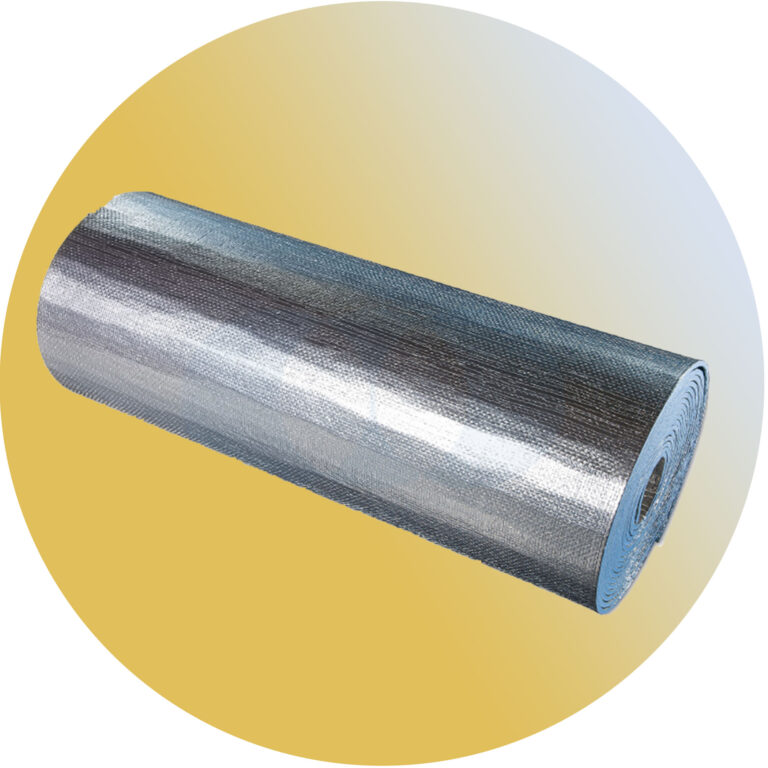
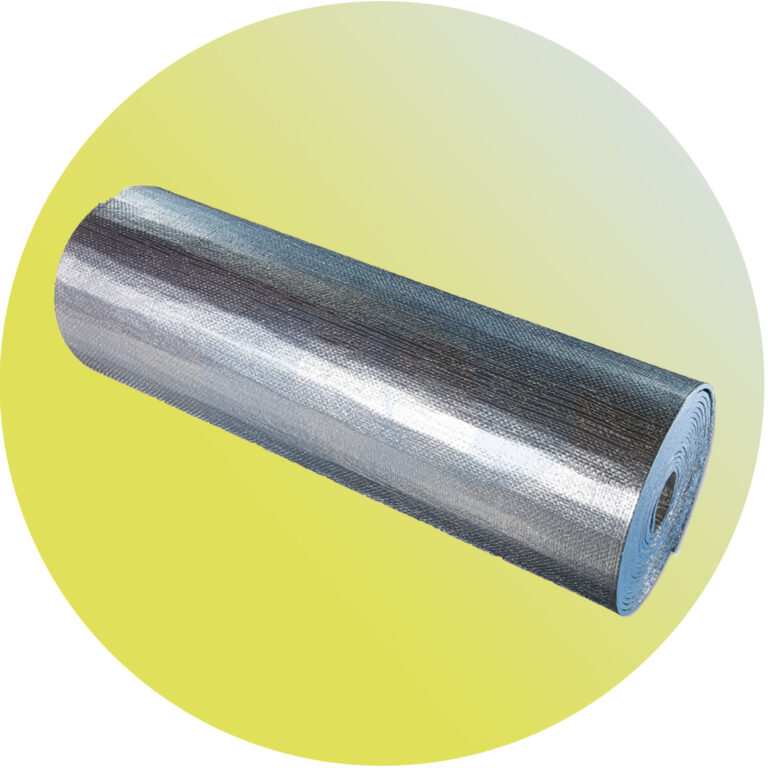
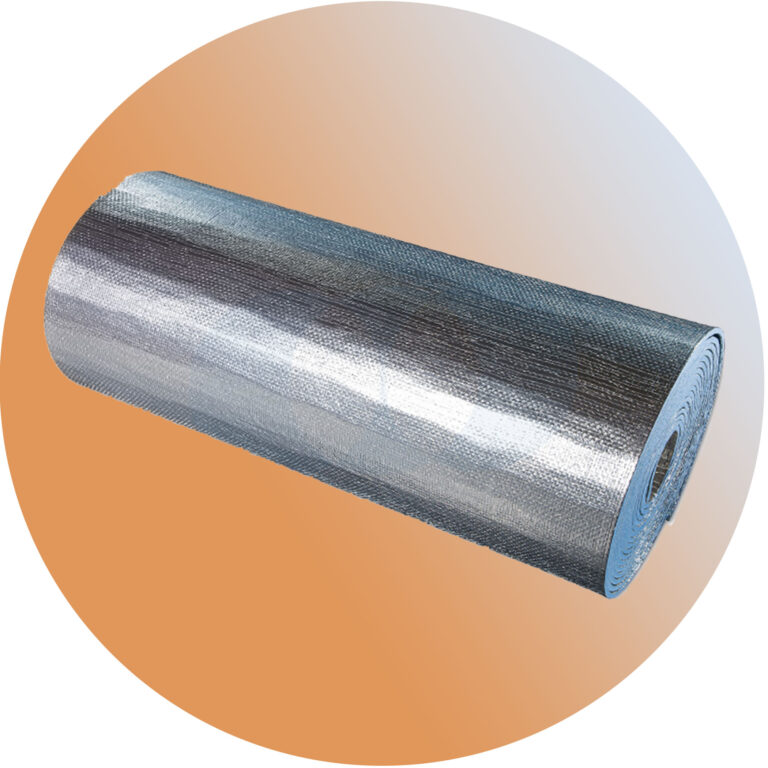
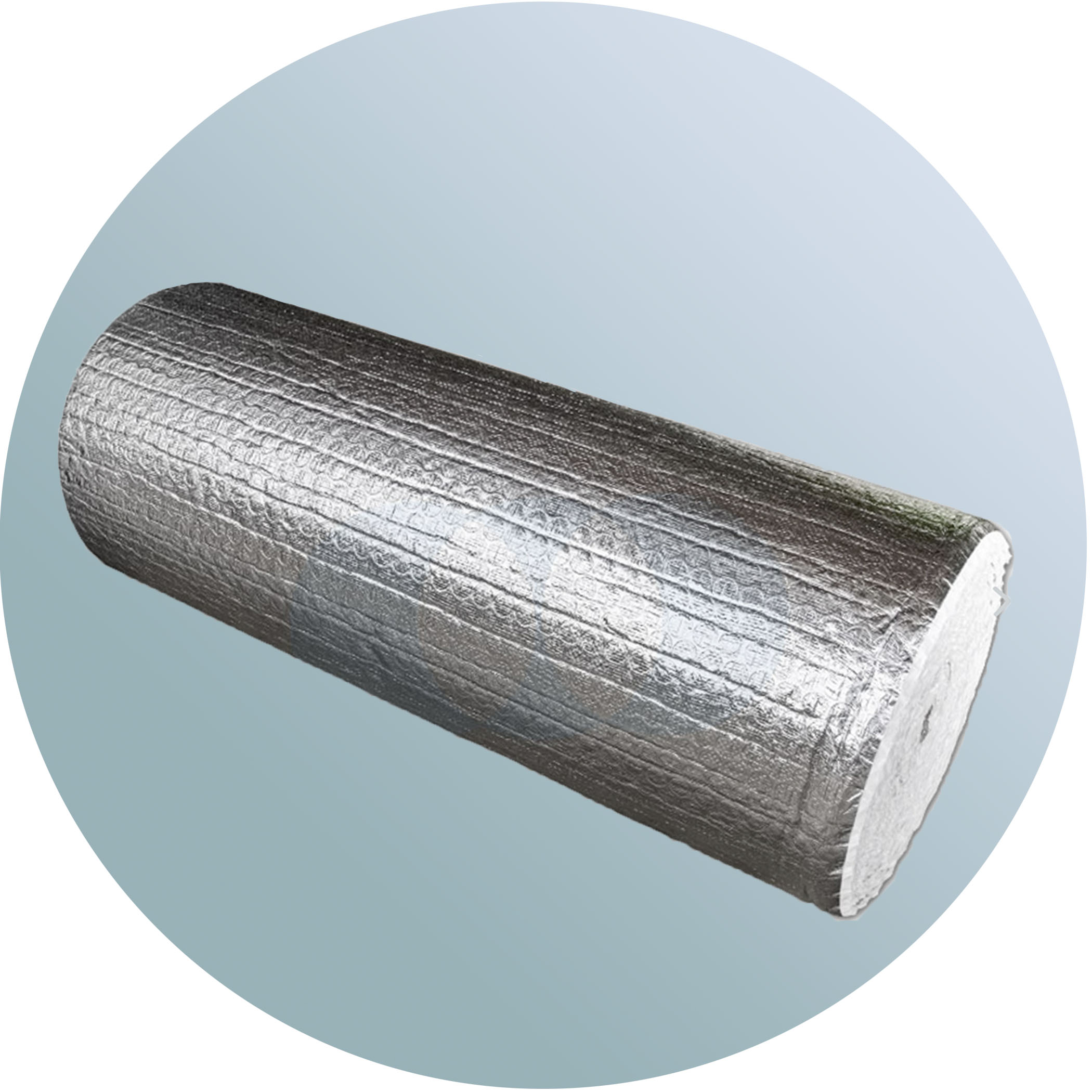
Polycell ProGuard 12 is a reflective foil insulation made from a thermocellular PE core of 32mm diameter bubbles, laminated with woven foil and EPE foam. It has a bright foil surface layer and an antiglare backing, and is finished in white.
Polycell lists a fire retardant additive in the LDPE material. Polycell’s current product page gives no flammability index, AS 1530 test results or BAL rating for ProGuard, so we cannot make any claim about its fire performance. If your job needs a tested or rated membrane (for example under the National Construction Code or a bushfire attack level assessment), ask us for compliance documents before you buy and do not rely on the additive alone.
Polycell lists ProGuard for commercial roofing, residential roofing and external walls, to help keep indoors cool or warm. Like any reflective foil, it works by facing an air gap, so the bright side should face the cavity it is meant to work across.
Technical Specifications
| Core | Thermocellular PE, 32mm diameter bubble |
|---|---|
| Material | LDPE with fire retardant additive (manufacturer’s description; no fire test data on the product page) |
| Lamination | Woven foil and EPE foam |
| Surface | Bright foil |
| Backing | Antiglare |
| Colour | White |
| Thickness | 12mm |
| Pack size | 30m² roll |
Where to Use
- Commercial and residential roofing
- External walls, subject to the building code note below
How to Apply
- Plan the run: measure the roof or wall section against the 30m² roll to keep off-cuts down.
- Face the foil to the air gap: position the bright surface toward the cavity it needs to work across.
- Fix in place: staple or fix along the framing, keeping the sheet taut.
- Lap the joins: overlap adjoining runs so the foil layer is continuous.
- Finish the build-up: fit the roofing or cladding once the foil is fixed.
Important Notes
- Pickup only from our Keilor East yard.
- Install with the bright foil face toward an air gap.
- Keep the roll dry before installation.
- Polycell’s current product page does not state R-values, vapour permeance or fire test results, so we do not quote them. Ask us for the manufacturer’s data sheet.
- For external walls, the National Construction Code sets vapour-permeability requirements for membranes behind cladding in Melbourne’s climate zone. A closed foil-faced product may not meet them, so check with your builder or building surveyor before using it in a wall.