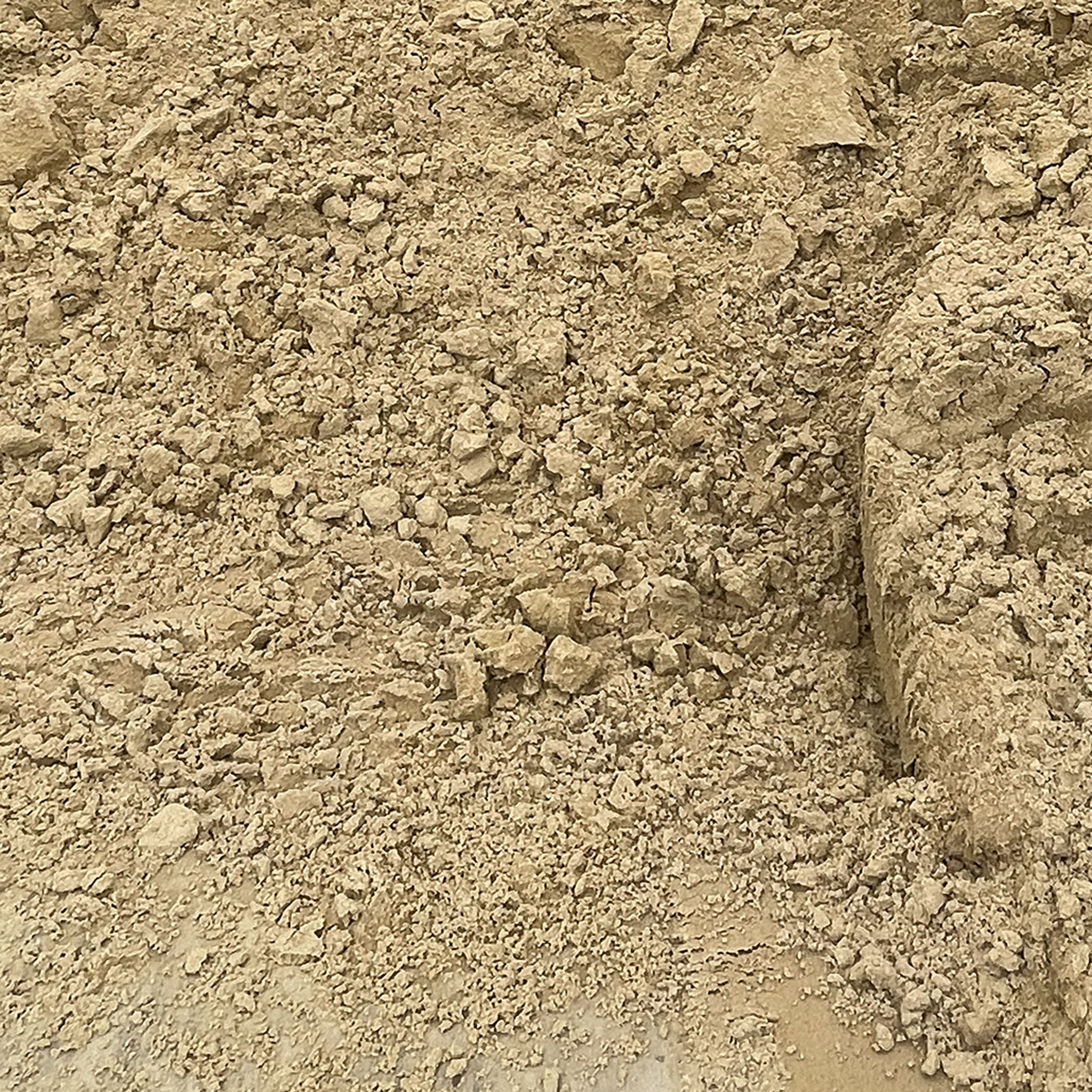
Description
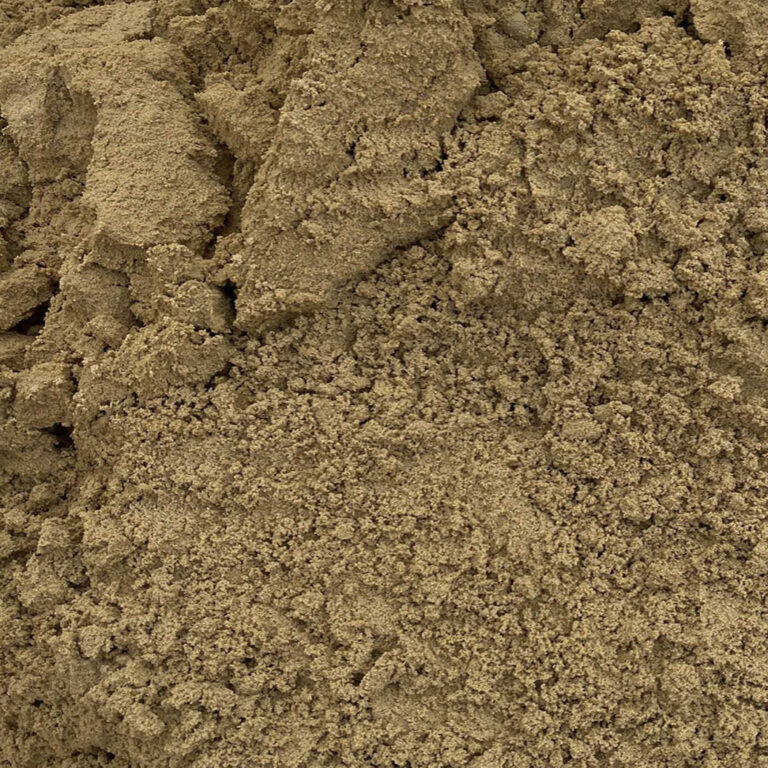
Concrete Sand is a coarse, gritty sand used in concrete production. In a mix it fills the gaps between the coarser aggregate, and its rough texture helps the materials bind together. It is coarser than the fine brick sands, because concrete and mortar call for different sands.
Use it for general concreting such as paths, slabs, footings and post holes. For engineered or structural concrete, use the mix your engineer specifies or a premixed concrete.
It is sold loose by the cubic metre in quarter-m3 steps for pickup from Keilor East. Collecting enough for a whole pour in one load helps keep the colour and texture consistent.
Technical Specifications
| Material | Coarse, gritty sand |
|---|---|
| Application | General concreting |
| Sold as | Loose, by the cubic metre in quarter-m3 steps |
| Collection | Pickup from Keilor East, Melbourne |
Where to Use
- Concrete mixes for paths, slabs, footings and post holes
- General concreting around the home and garden
- Jobs needing a coarser sand grade than mortar work calls for
How to Apply
- Confirm the mix ratio – follow the required cement-sand-aggregate ratio for the concrete strength needed.
- Combine dry ingredients – mix the sand, cement and aggregate thoroughly before adding water.
- Add water gradually – mix to a workable concrete consistency.
- Place and finish within working time – pour and finish before the mix begins to set.
- Cure properly – follow standard concrete curing practice once placed.
Important Notes
- Made for concrete, not bricklaying mortar.
- For engineered or structural concrete, use the mix your engineer specifies or a premixed concrete.
- Roughly 1.5 to 1.6 tonnes per cubic metre; a quarter cubic metre is about 400 kg.
- Pickup from Keilor East (Melbourne). Sold loose by the cubic metre in quarter-m3 steps; part loads of a quarter, half and three-quarter cubic metre are available.
- Crushed stone and sand contain crystalline silica. Keep the material damp when spreading or sweeping, avoid breathing the dust, and wear a P2 mask if it is dry and dusty.
- When mixing with cement: cement is alkaline and can burn skin and eyes. Wear gloves, eye protection and a P2 mask, and wash it off skin promptly.
- Further reading: Concrete (Wikipedia).