Description
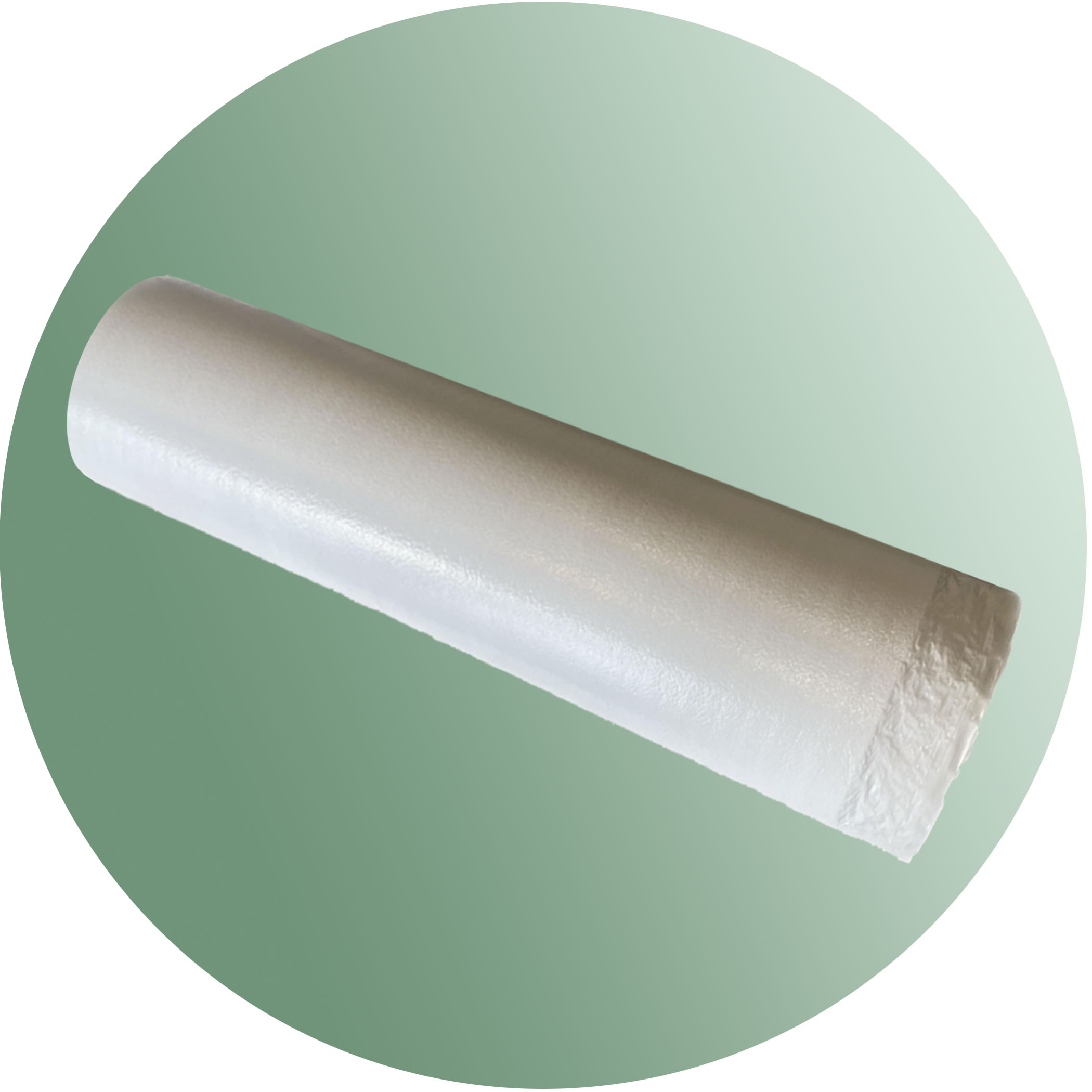
SoftWalk Floating Floor Underlay is made from a 2mm EPE (expanded polyethylene) foam layer laminated with a moisture-resistant film, built as cushioning for floating floor installations generally rather than being tied to one specific flooring type. That moisture-resistant film sits between the foam and the sub-floor, protecting the existing sub-straight from possible moisture and water damage that could otherwise work its way up into the flooring above.
The 2mm foam layer itself provides the cushioning a floating floor needs underfoot, helping the flooring flex slightly under load rather than sitting directly on a hard sub-floor with no give at all. That combination of foam cushioning and a moisture barrier is the core job of a floating floor underlay, and SoftWalk is built to do both without adding unnecessary bulk under the finished floor.
It’s supplied as a 1.2m wide by 50m long roll, covering 60m² per roll — a practical size for underlaying a decent-sized room without an excessive number of joins across the floor. Rolling it out in full-width runs and keeping joins to a minimum is the straightforward way to get consistent moisture protection and cushioning across the whole floor area.
Because the moisture-resistant film is laminated directly to the foam rather than being a separate sheet laid on top, there’s no risk of the two layers shifting apart during installation the way a loose two-part system might. For a straightforward floating floor job where ground moisture isn’t a heightened concern, SoftWalk’s foam-and-film combination covers the underlay requirement without needing to step up to a heavier moisture-resistant option.
Technical Specifications
| Material | 2mm EPE foam, laminated moisture-resistant film |
|---|---|
| Thickness | 2mm |
| Roll size | 1.2m x 50m |
| Coverage | 60m² per roll |
Where to Use
- Floating floor installations generally
- Sub-floors needing protection from moisture and water damage
- Rooms needing an underfoot cushioning layer beneath a floating floor
How to Apply
- Prepare the sub-floor — ensure it is clean, dry and free of debris before laying.
- Roll out full-width runs — position the underlay across the room to minimise joins.
- Butt join adjoining rolls — keep joins tight without overlapping, to avoid an uneven surface.
- Trim to the room’s edges — cut cleanly against skirting and door frames.
- Lay the floating floor — install the finished flooring directly over the underlay.
Important Notes
- Designed as cushioning for floating floor applications generally, not a substitute for a dedicated acoustic underlay where noise reduction is specified.
- Also available as a 1.2m x 25m (30m²) roll for smaller areas.
- Ensure the sub-floor is dry before laying — the moisture-resistant film protects against ongoing dampness, not standing water.