

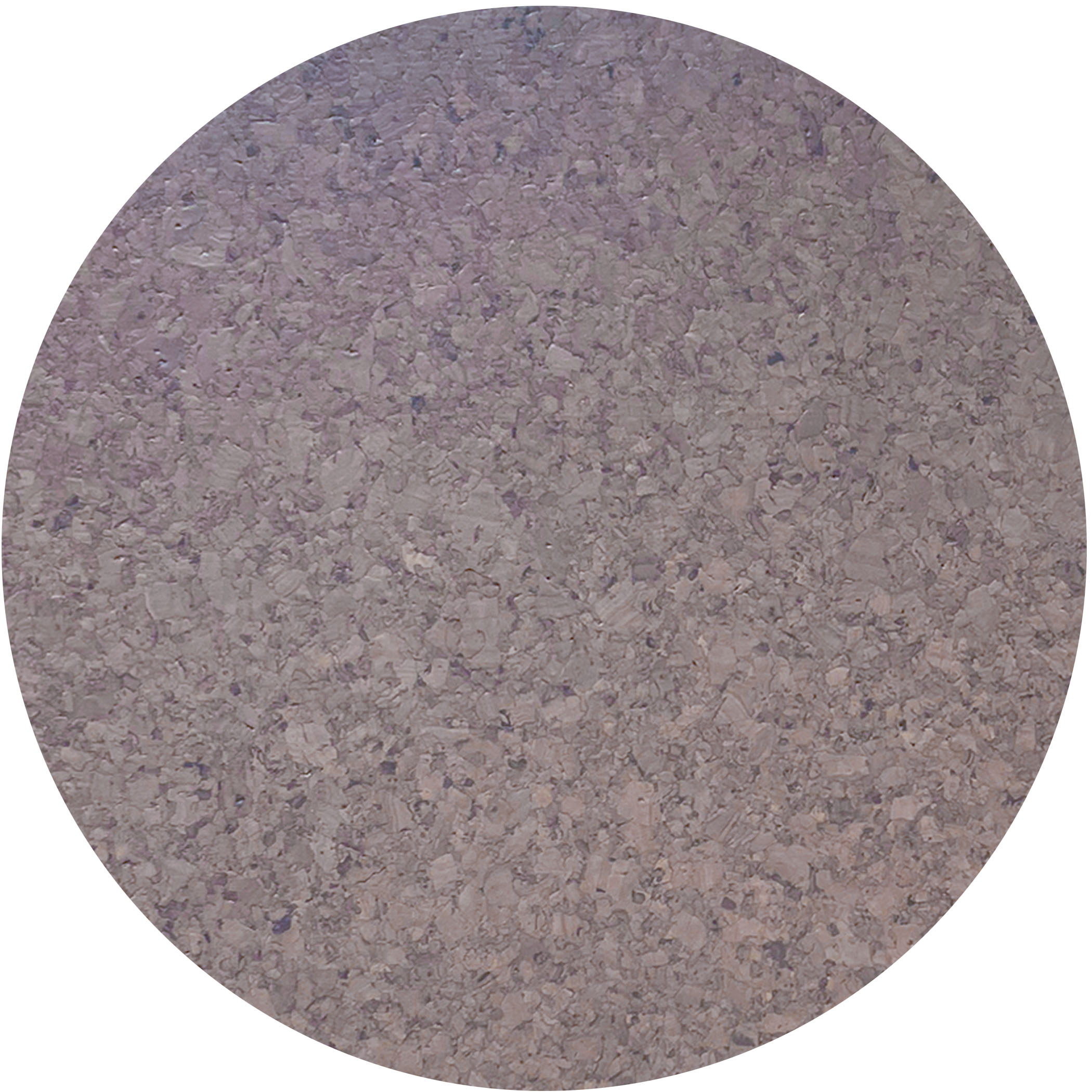
Cork flooring is made from the bark of the cork oak tree, harvested without cutting the tree down, then compressed into planks or tiles. It’s a genuinely different flooring material to timber, laminate or hybrid — softer underfoot, naturally insulating, and with a texture that’s hard to replicate with a printed finish. It also has real limitations worth knowing before you choose it.
Why choose cork over timber or laminate
Cork’s cellular structure — the same structure that makes it useful as a wine bottle stopper — is what gives it its main advantages as a floor. It’s naturally soft and slightly springy underfoot, which makes it noticeably more comfortable to stand on for long periods than tile, timber or laminate. That same structure also gives it real thermal and acoustic insulation, so a cork floor feels warmer in winter and dampens sound better than harder flooring options. It’s a renewable material too, since the bark regrows on the same tree.
Glue-down or floating: which format to choose
CorkArt’s range comes in both glue-down and floating floor formats, and the choice affects both installation and feel. Glue-down cork, like the Enzo series or the Harmony glue-down range, is adhered directly to the subfloor, which gives a firmer, more stable feel and suits areas with consistent foot traffic. Floating cork, like the Traditional Cork floating range, uses interlocking planks over an underlay instead of adhesive, which makes it a genuinely achievable DIY installation and easier to replace individual sections later if needed.
CorkArt also stocks cork in tile form, rather than plank form, which suits smaller or irregularly shaped rooms where full-length planks would mean more waste.
Where cork flooring works well, and where it doesn’t
Cork’s insulating, comfortable qualities make it a strong choice for kitchens, living areas and bedrooms — anywhere you’re standing or walking for extended periods. Sealed cork can also handle bathrooms and other moisture-prone areas reasonably well, but it needs a proper sealant and isn’t the go-to choice for genuinely wet areas the way porcelain tile or hybrid flooring is. Cork will also dent under sustained heavy point loads — think a piano or a heavy cabinet left in one spot for years — so it’s worth thinking about furniture placement in high-load rooms.
Choosing a finish
CorkArt’s Traditional Cork range comes in a genuine spread of finishes, from lighter tones like Whitewash and Sandy through to deeper Caramel and Burl tones, plus a natural unfinished option if you’d rather seal it yourself to your own preference. The Cork Concept Heritage and Harmony ranges add a more patterned, decorative texture if you want cork’s practical benefits with a less uniform look.
Browse the full cork flooring range at Multifors to compare finishes and formats.