
Description
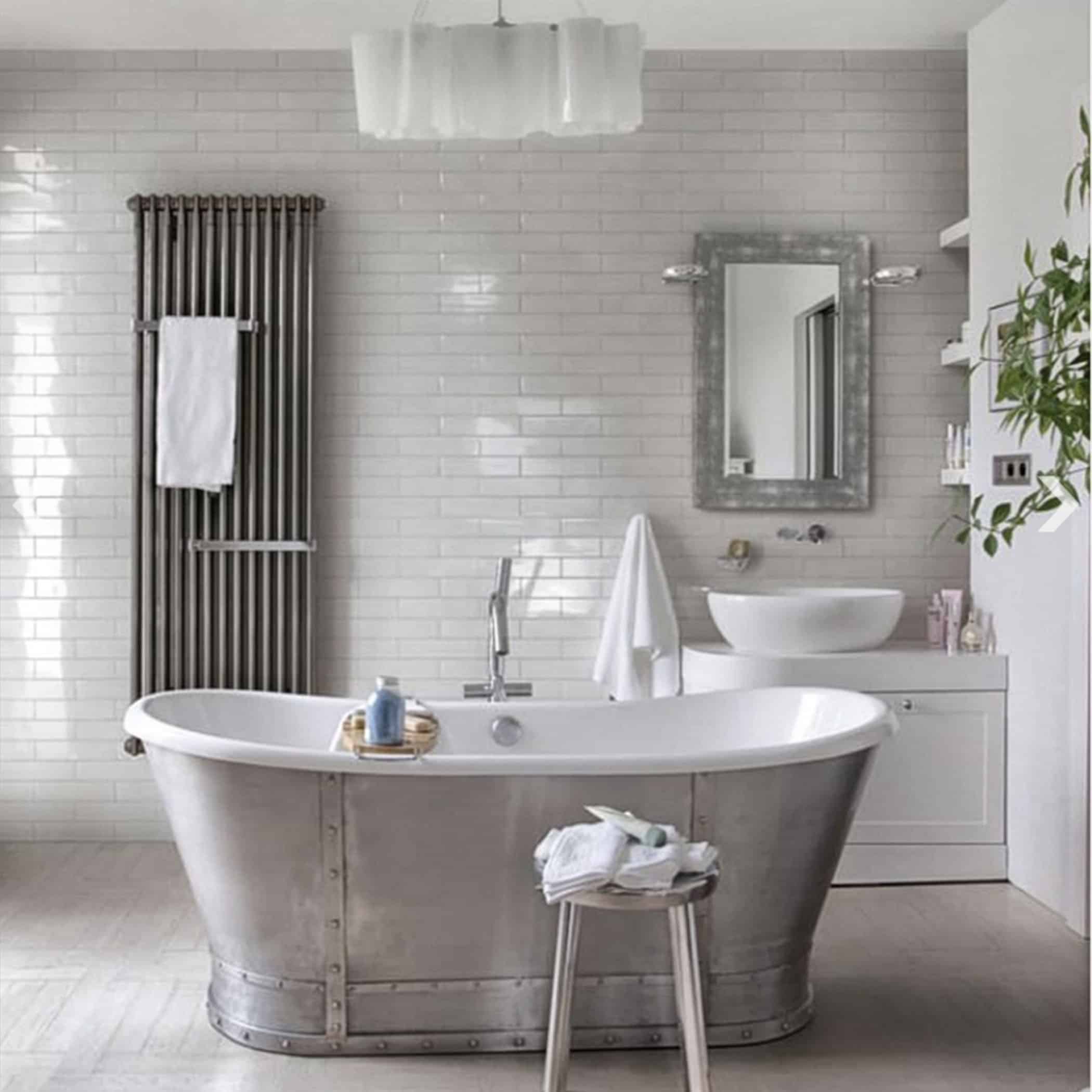
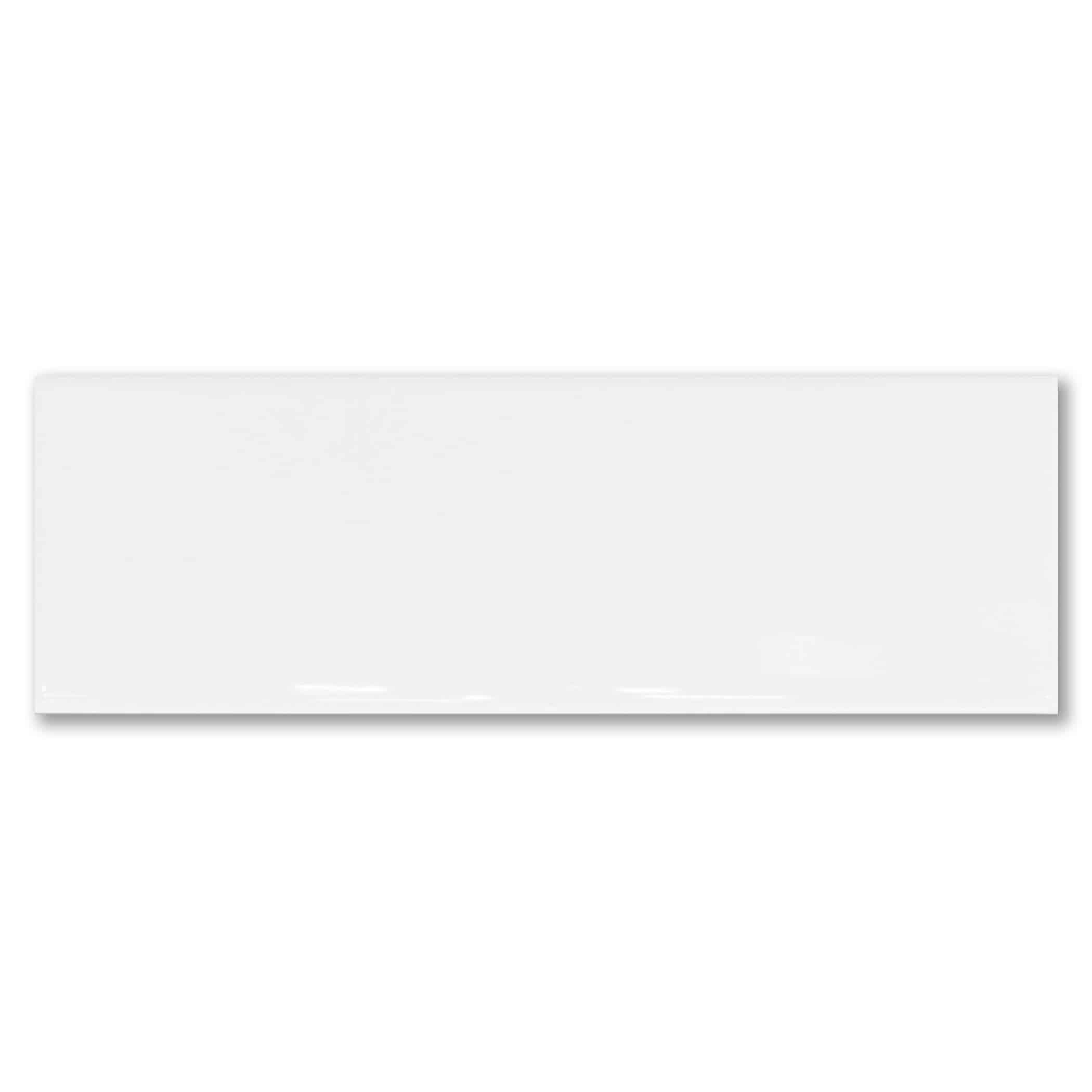
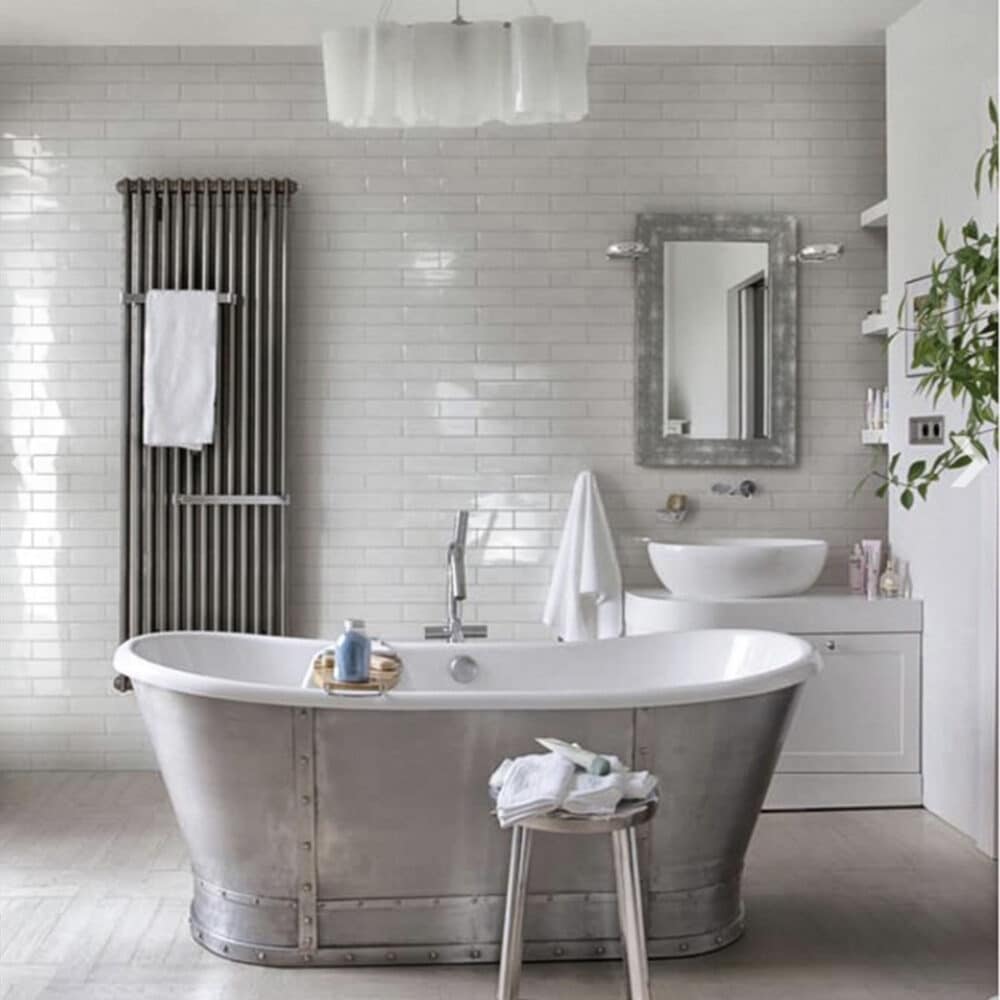
White Gloss 300×100 Subway Tile is a pure, glazed ceramic wall tile with a pressed edge, built for a contemporary feel without straying from the classic subway tile proportions that have stayed popular for exactly this reason — versatility. The pressed edge gives each tile a crisp, defined line, which reads differently on the wall than a softer rectified or handmade-style edge.
Its pure white finish is a genuinely flexible design base: contrasted with a bold grout colour, it becomes a graphic, pattern-forward feature; paired with a white or light grout, the same tile reads as a more seamless, continuous wall surface. That range is part of why subway tile in a plain white gloss finish remains a design staple rather than a passing trend.
Technical Specifications
| Size | 300mm x 100mm |
|---|---|
| Finish | Glazed gloss |
| Edge | Pressed edge |
| Material | Ceramic |
| Suitability | Walls |
Where to Use
- Wall applications — splashbacks, bathroom and kitchen walls
- Feature walls seeking a contemporary or classic look
How to Apply
- Plan the layout — choose a laying pattern and grout colour before starting.
- Calculate quantity — order to the nearest square metre, allowing for cuts and pattern layout.
- Fix with a suitable tile adhesive — select an adhesive rated for the substrate and wall application.
- Grout — choose a contrasting or matching grout colour to suit the desired finished look.
Important Notes
- This is a wall tile — confirm suitability before considering it for a floor application.
- Order to the nearest whole square metre, allowing extra for cuts and pattern layout.
The choice between a pressed edge and a rectified edge is a genuine design decision, not just a manufacturing detail: rectified tiles are cut to a precise, uniform size for a near-invisible grout line, while a pressed edge like this one carries a slightly softer, more traditional tile-to-tile transition that reads as more classically ‘subway’ in character. For a kitchen or bathroom aiming for that timeless, slightly less clinical look, the pressed edge is often the better match, while a rectified tile suits a more minimal, seamless contemporary design brief instead.
Lighting interacts with a gloss white tile more strongly than with most other finishes, since the reflective surface bounces both natural and artificial light around a room. In a smaller bathroom or kitchen with limited natural light, that reflectivity can make the space feel noticeably brighter and larger than the same room finished in a matte tile — a genuinely practical reason to choose gloss beyond the aesthetic preference for a clean, classic look.