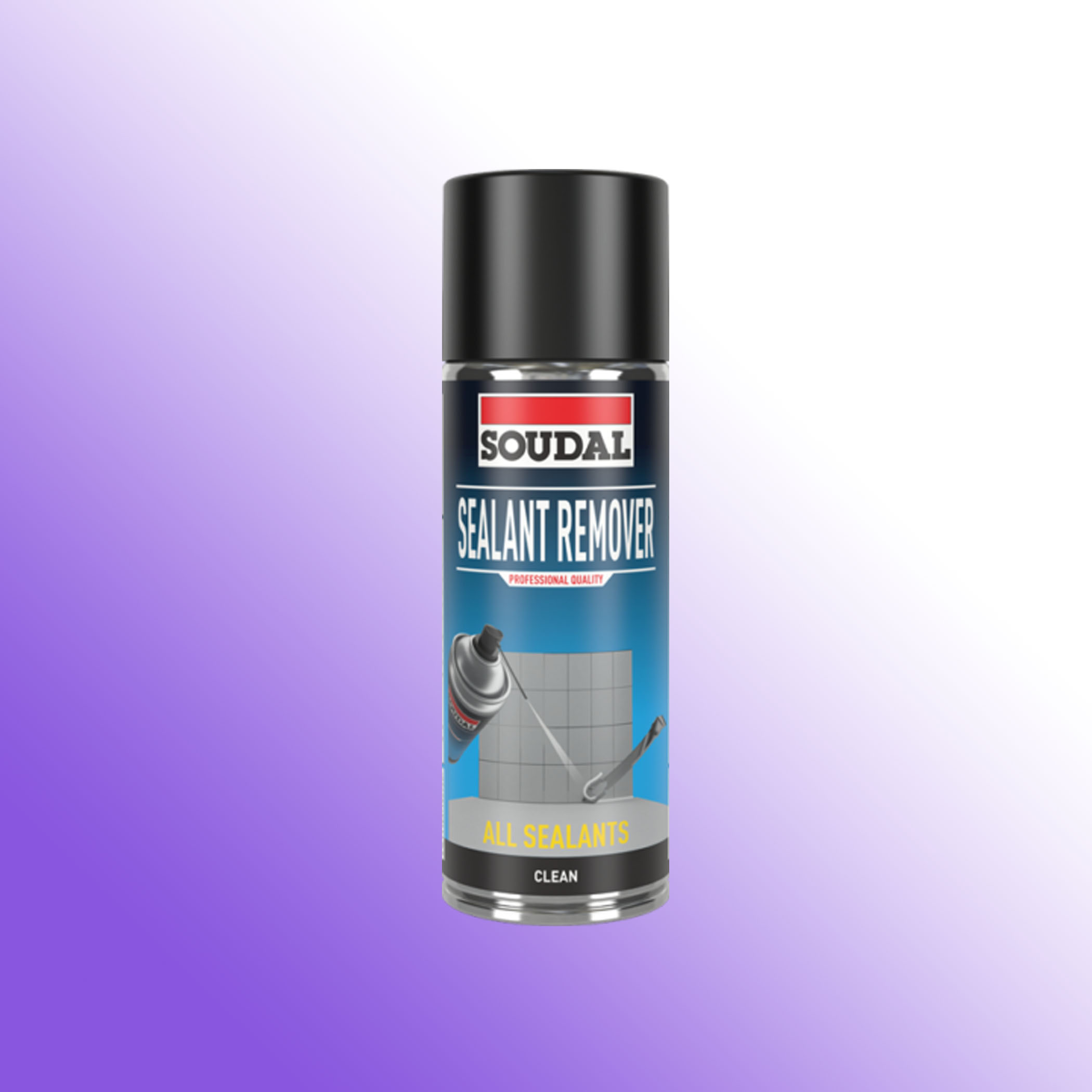
Description
Soudal Sealant Remover is a ready-to-use, fast-acting hydrocarbon-based spray built specifically for removing cured silicone and MS polymer sealant residue — a genuinely different job from a general adhesive remover, since cured silicone doesn’t respond to most standard solvents. Its non-drip formulation means it stays where it’s applied on a vertical joint rather than running off before it has time to work.
It’s rated for coated metals, ceramic tiles, laminated plate, painted surfaces, glass, aluminium and some synthetic materials, but specifically excludes nylon and PMMA. Because it can cause staining on porous surfaces and reacts differently across the wide range of plastics and paints it might contact, a compatibility test on an inconspicuous area is genuinely worth doing before treating a visible surface.
Technical Specifications
| Basis | Hydrocarbons |
|---|---|
| Consistency | Liquid |
| Density | Approx. 0.87 g/ml |
| Solubility in water | Not soluble |
| Application temperature | 5°C to 30°C |
| Colour | Yellow-transparent |
| Shelf life | 3 years unopened, +5°C to +25°C, dry and cool |
| Packaging | 400ml aerosol |
Where to Use
- Removing cured silicone and MS polymer residue
- Coated metals, ceramic tiles, laminated plate, painted surfaces, glass and aluminium
- Spilled or overspray silicone and MS polymer cleanup
- Not suitable for nylon or PMMA substrates
How to Apply
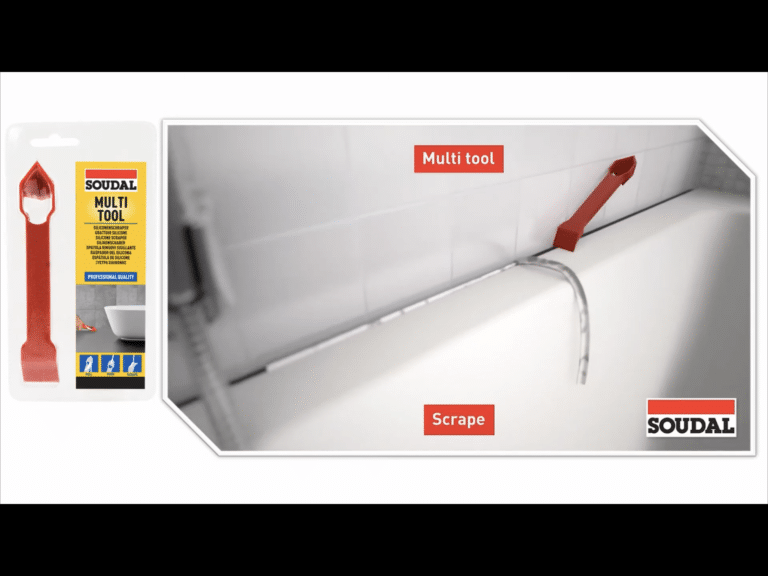
- Remove hard putty first — use a knife to remove any hardened silicone or MS polymer before spraying.
- Shake and apply — shake the canister thoroughly and spray onto the dry surface to be cleaned.
- Leave to work — allow at least 10 minutes for the product to break down the residue.
- Wipe dry — wipe with a clean cloth, repeating if necessary.
- Wash thoroughly — rinse with water to avoid surface degradation from remaining product.
Important Notes
- Use only in well-ventilated areas; wear gloves and goggles.
- In case of eye contact, wash immediately with plenty of water; wash skin contact with water and soap.
- Can cause staining on porous surfaces — always test compatibility first.
The 10-minute dwell time before wiping is not just a suggestion for faster results — cured silicone is chemically cross-linked and genuinely resistant to most solvents, so the hydrocarbon base needs that contact time to properly break down the material before it can be wiped away cleanly. Wiping too early typically just smears softened residue across the surface rather than removing it, which is why patience at this step saves a repeat application later. A quick wipe-and-check is usually enough to tell whether a second application is warranted before moving on.