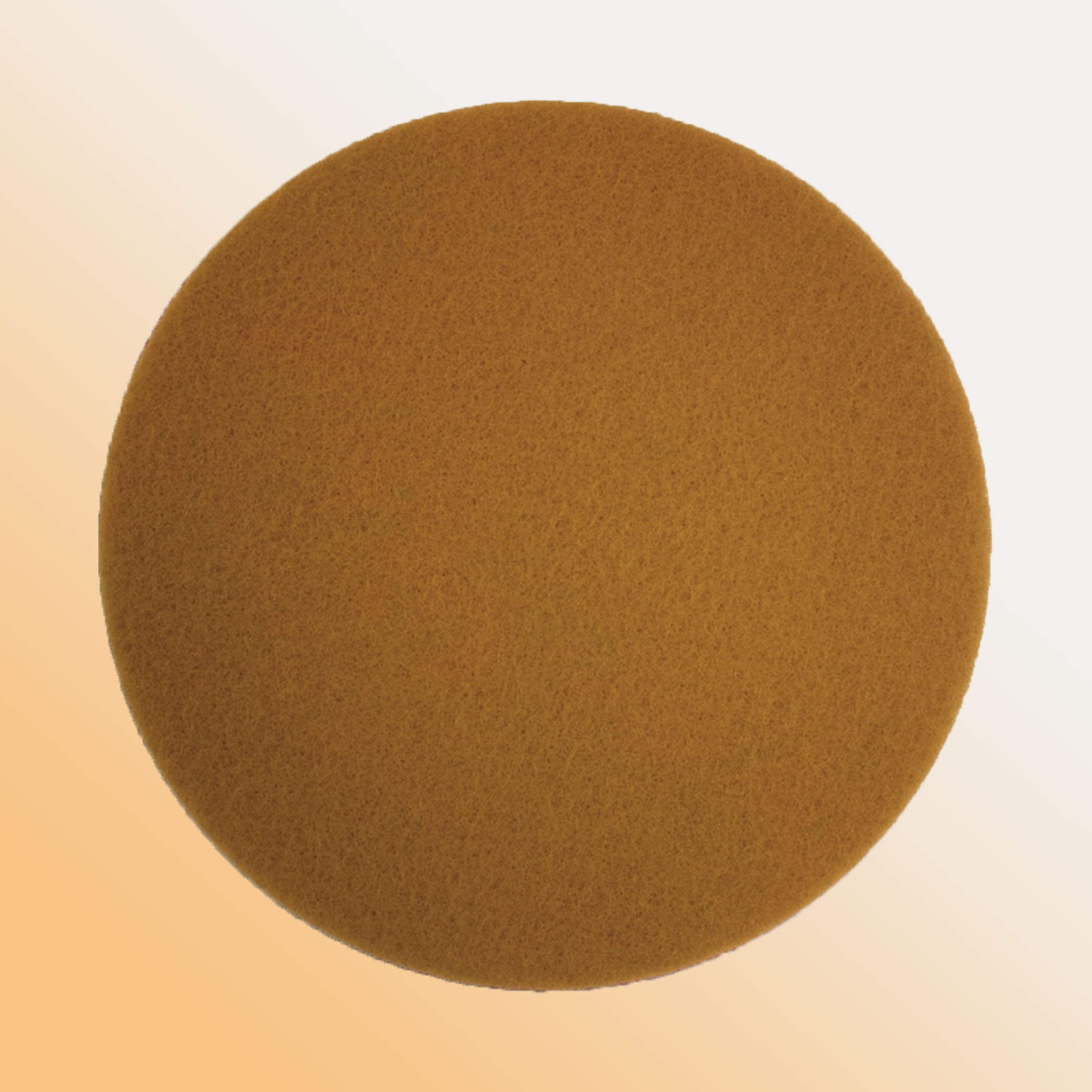
Description
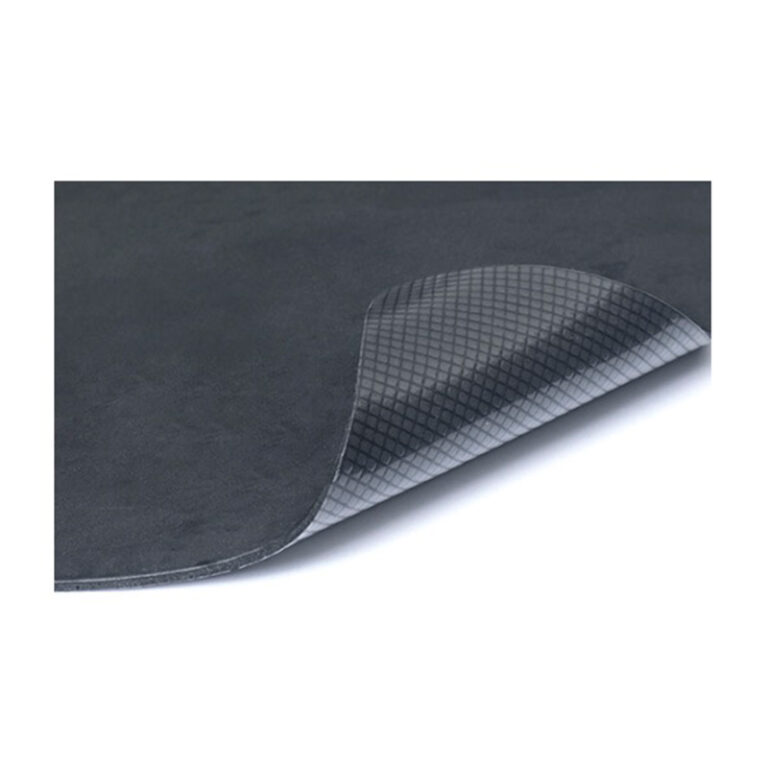
The beige SpecialPad is the mildest abrasive in Loba’s pad range, and its job is not really sanding. It is used on a single-disc machine to massage high-solid oils into the timber, to even out a coloured oil before it sets, and to take the light pass between coats of finish.
It comes in the standard 406 millimetre disc size at 10 millimetres thick. Loba lists it under levelling rather than sanding, which describes what it actually does more accurately.
Technical Specifications
| Product type | LOBASAND SpecialPad, beige |
|---|---|
| Article number | 16550-406410-000 |
| Diameter | ø406 mm |
| Thickness | 10 mm |
| Range of use | Levelling |
| Machine | Single-disc machine with a pad holder |
| Other formats | 250 x 120 x 10 mm pad for pad holder; 85 x 135 x 10 mm hand pad set |
Where the Beige Pad Sits in the Range
Loba’s pads are colour-coded by aggression and each has a defined job. Beige is the mildest and is rated for levelling. Green is for thorough cleaning. White is for polishing, and black is the scrubber. The actual abrasives, the perforated pads and sanding grids, are a separate category again.
Reaching for the wrong one is easy because they look alike on the shelf. A green pad used where a beige was specified will cut into a coloured oil rather than levelling it, and the patchiness that follows only shows once the floor dries.
Where to Use
- Massaging high-solid oils such as 2K ImpactOil into the timber
- Evening out a coloured oil or stain to avoid patchiness
- Light intermediate sanding between coats of finish
- Dry, thorough cleaning of a finished surface
How to Apply
- Fit the pad: Mount the pad on a pad holder on a single-disc machine.
- Apply the oil: Spread the oil with a trowel and allow it to penetrate.
- Level: Work the surface with the machine so the oil is driven into the pores and the excess is spread evenly.
- Wipe off: Remove excess material with an absorbent cloth before it sets.
Important Notes
- Beige is the mildest pad in the range. Green is for thorough cleaning and white for polishing.
- Its main role is levelling oils rather than abrading timber, despite the sanding pad name.
- Loba’s coloured oil systems specify a beige pad by name in their application sequence.
Pad Life and When to Replace
Pads wear gradually rather than failing outright. The beige pad loses its levelling action as the surface loads up with cured oil and wax, and the first sign is usually that it takes longer to even out a coat than it used to.
A loaded pad can often be cleaned and returned to service. A pad that has hardened, glazed or started shedding should be replaced, because at that point it is dragging rather than levelling and will mark a freshly oiled floor.