Description
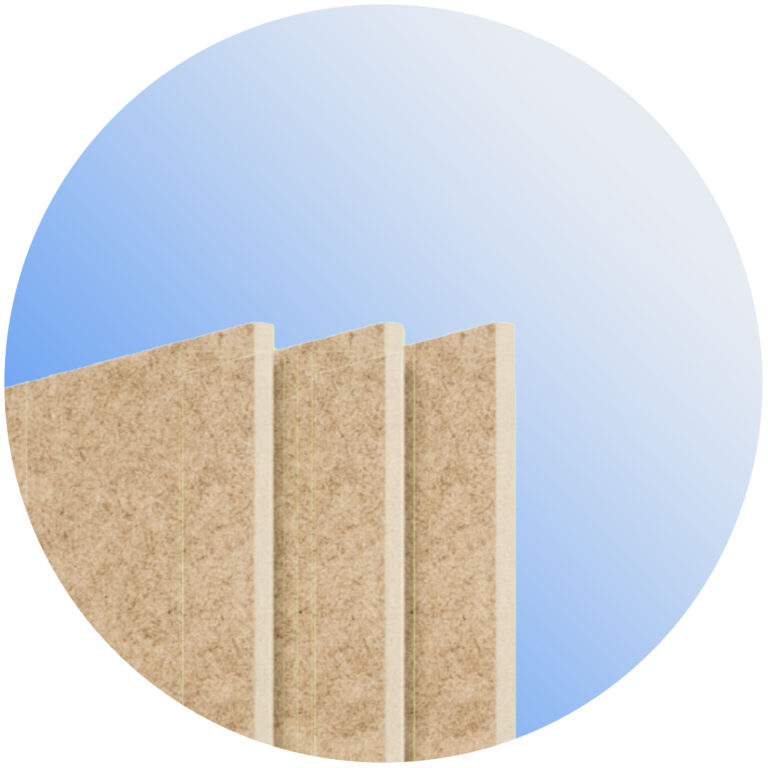
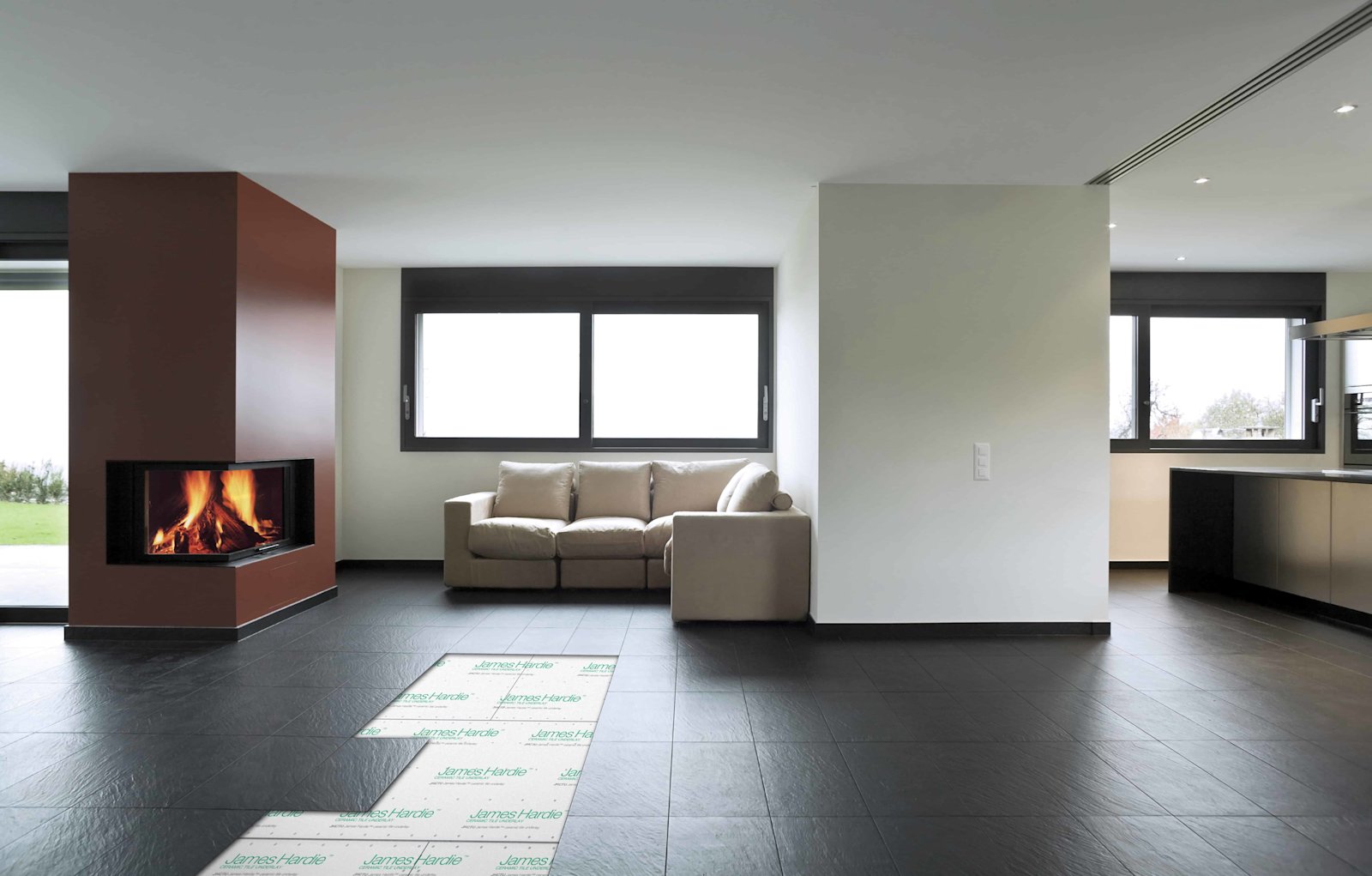
Hardie Ceramic Tile Underlay is a 6mm fibre cement sheet from James Hardie for tiling over timber floors. James Hardie states that it minimises tile movement, reducing the potential for tile cracking caused by the movement that occurs naturally in timber, particleboard and plywood substrates. Before tiling, make sure the existing flooring and supporting framing are suitable; James Hardie advises contacting your builder, designer or engineer if in doubt. Details are on the Hardie Ceramic Tile Underlay page.
The 1800 x 1200mm large-format sheet means fewer sheets and fewer joints in bigger bathrooms and living areas. Its face is pre-marked with the nailing pattern, and James Hardie states that the factory sealer increases the working time of cement-based tile adhesive by 50%. In wet areas the underlay is only one layer of the floor: waterproofing must meet AS 3740.
Technical Specifications
| Manufacturer | James Hardie Australia |
|---|---|
| Product code | 403190 |
| Sheet size | 1800 x 1200mm |
| Thickness | 6mm |
| Coverage | 2.16 m² per sheet |
| Approx. weight | 17.5 to 21 kg per sheet (figures differ between James Hardie documents) |
| Surface | Smooth, sealed, pre-marked nailing pattern |
| Material | Cellulose fibre cement, manufactured to AS/NZS 2908.2 |
| Suitable areas | Internal wet and dry area floors (wet areas need waterproofing to AS 3740) |
| Substrates | Timber floorboards, particleboard and plywood flooring |
| Not suitable | Concrete slabs; walls |
| Warranty | James Hardie 25-year product warranty against defects in factory workmanship or materials, subject to installation and maintenance to James Hardie’s technical literature and the warranty’s conditions and exclusions (see Documents). The warranty is given by James Hardie and is in addition to your rights under the Australian Consumer Law. |
Fixing Details
| Hand nails | 25 x 2.5mm bright ringshank fibre underlay nails |
|---|---|
| Gun nails | 27 x 2.1mm bright steel annular thread collated nails |
| Nail centres | 150mm maximum, following the pre-marked pattern |
| Edge distance | 15mm minimum from sheet edges, 50mm from corners |
| Adhesive | Stud adhesive with a 3mm notched trowel on particleboard and plywood; not needed on hardwood floors |
| Floor flatness | No more than 1mm out of level over 1m |
Where to Use
- Bathroom, ensuite and laundry floors built on timber framing
- Kitchens and living areas being tiled over particleboard or plywood
- Renovations tiling over existing timber floorboards, once the floor is sound and old coverings have been tested for asbestos
- Slate floors, using slate at least 9mm thick
How to Install
- Prepare: have old floor coverings tested for asbestos before removing them, re-nail loose boards, check underfloor ventilation, and rough sand a cupped or warped floor.
- Lay out: lay sheets in a staggered brick pattern across the flooring direction, keeping joins at least 100mm off sheet flooring joints and edges 3mm back from walls.
- Glue: on particleboard or plywood, spread stud adhesive on the back of each sheet with a 3mm notched trowel, paying attention to the edges.
- Nail: fix from the centre outwards along the pre-marked pattern, driving nails flush with the surface.
- Tile: apply tile adhesive and lay tiles to the adhesive and tile manufacturers’ instructions.
Important Notes
- Not for concrete slabs, and not for walls; use a wall lining board rated for tiling on walls.
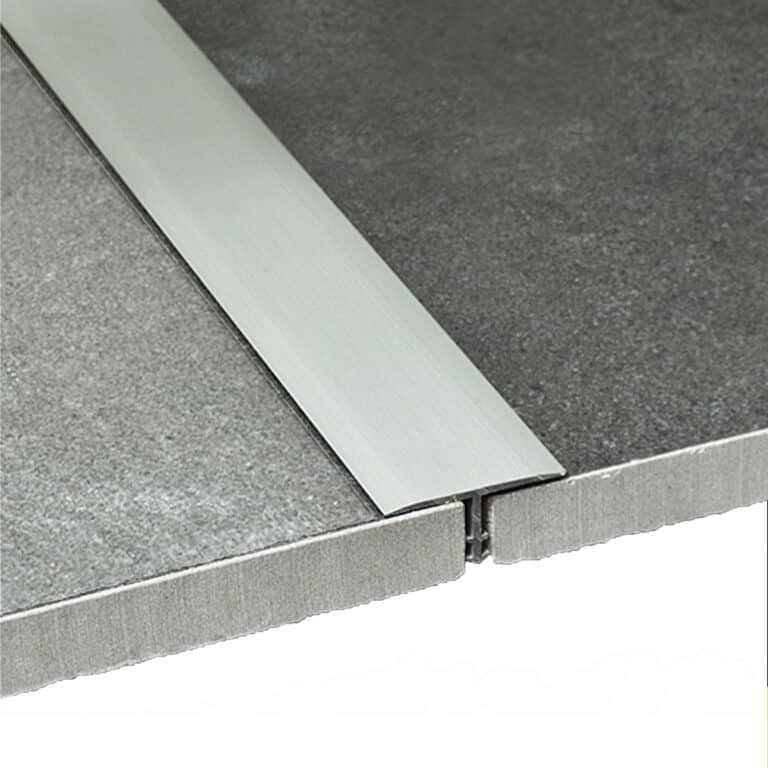
- Provide movement joints where the floor exceeds 5m in either direction, at changes of direction and at doorways, carried through to the tile surface.
- Marble tiles need a fully reinforced mortar bed to isolate them from structural movement.
- Contains respirable crystalline silica. Breathing the dust can cause silicosis, lung cancer and other lung disease. Cut outdoors with score-and-snap or dust-reducing tools, wear a P2 (minimum) respirator to AS/NZS 1716, and follow James Hardie’s Safety Data Sheet and Best Practice Guide under the Documents tab. Safe Work Australia has more on working safely with silica.
- Older homes, particularly those built before 1990, may contain asbestos in floor coverings and wall linings. Do not cut, sand or remove existing material until it has been tested; see Asbestos in Victoria.