Description
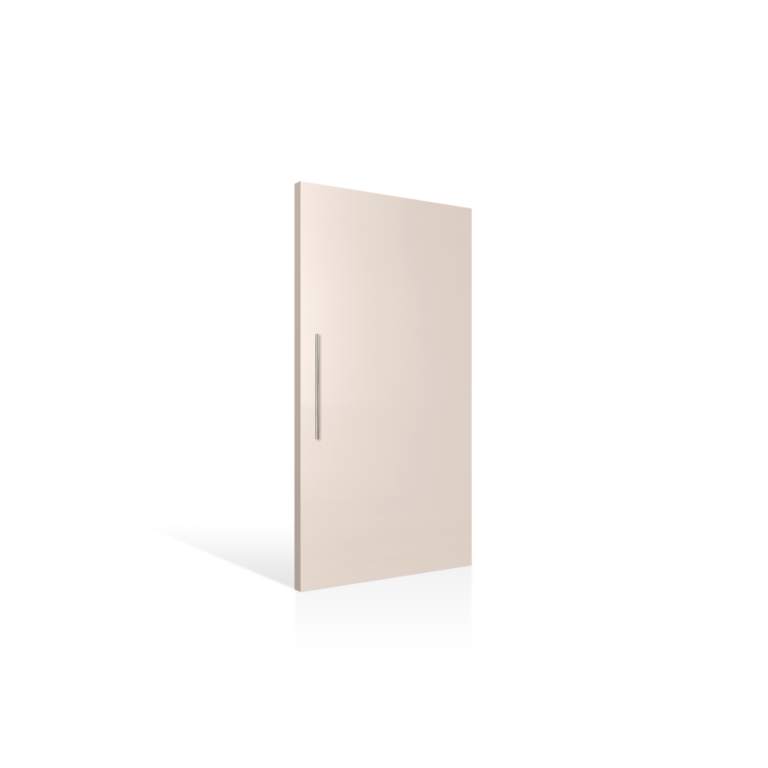
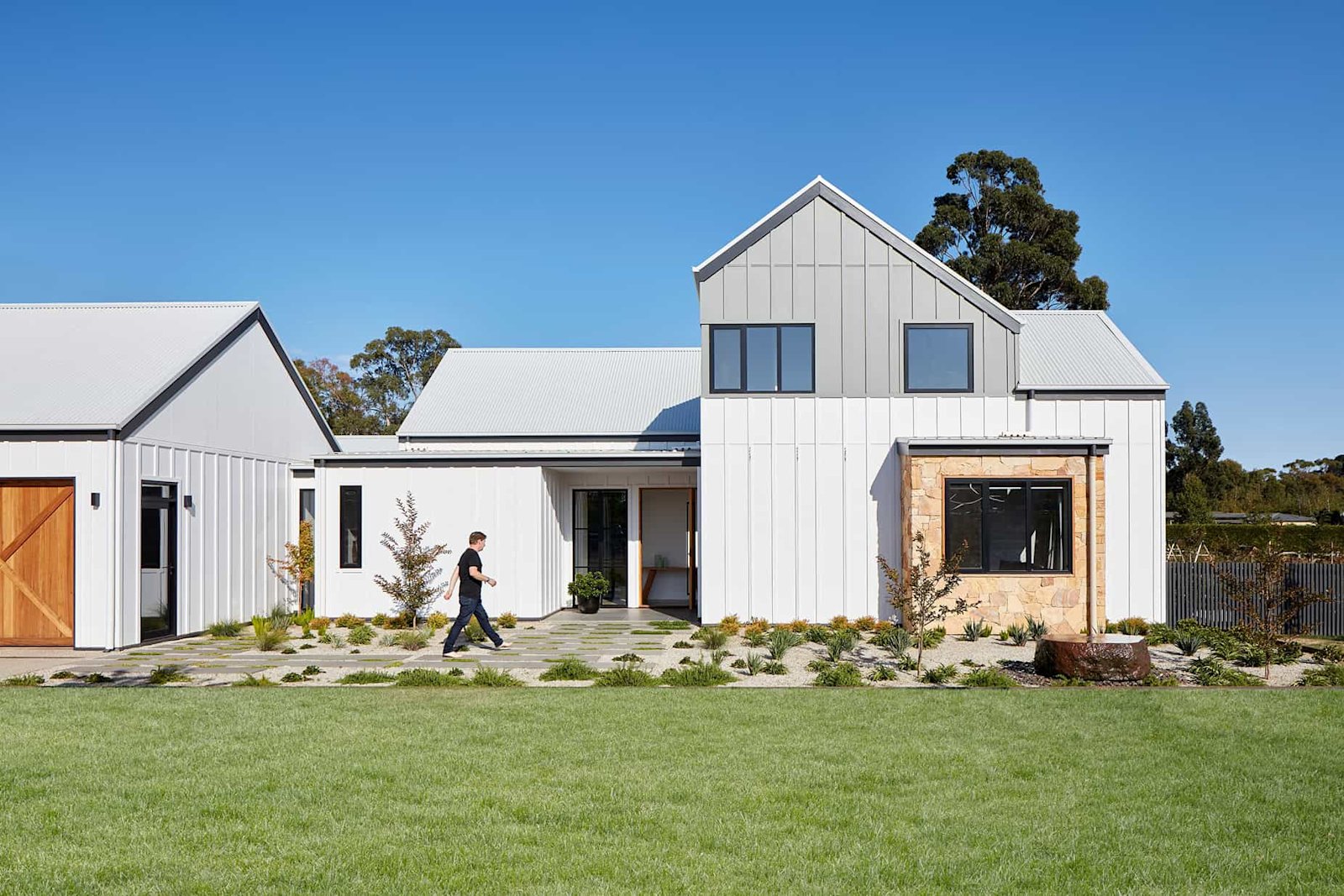
Hardie Flex Sheet is a smooth, square-edged fibre cement sheet made by James Hardie for painted flat-panel finishes. The 4.5mm thick, 2400 x 1200mm sheet is used for board and batten style cladding, where battens cover the vertical joints, and for lining eaves and soffits where a full-width sheet is trimmed to suit the overhang. Full manufacturer details are on the Hardie Flex Sheet page.
James Hardie states that its fibre cement building materials are resistant to rotting, fire, and permanent water and termite damage when installed and maintained in accordance with its instructions. The sheet has a smooth, natural face that is suitable for site painting, so it can be finished in any exterior colour. As cladding, the 4.5mm sheet needs closer framing than the thicker 6mm sheet, so check the stud spacing and the site’s wind classification before you order.
Technical Specifications
| Manufacturer | James Hardie Australia |
|---|---|
| Product code | 400186 |
| Sheet size | 2400 x 1200mm |
| Thickness | 4.5mm |
| Coverage | 2.88 m² per sheet |
| Approx. weight | 20 kg per sheet |
| Edges | Square |
| Surface | Smooth, suitable for site painting |
| Material | Cellulose fibre cement, manufactured to AS/NZS 2908.2 |
| Framing | Timber or light gauge steel |
| Max. stud spacing as cladding | 450mm in N1 to N3 wind classifications; closer in higher classifications, and not rated for the highest (see Table 2 of the technical specification) |
| Bracing | Not suitable as bracing at 4.5mm thickness |
| Warranty | James Hardie 25-year product warranty against defects in factory workmanship or materials, subject to installation and maintenance to James Hardie’s technical literature and the warranty’s conditions and exclusions (see Documents). The warranty is given by James Hardie and is in addition to your rights under the Australian Consumer Law. |
Where to Use
- Board and batten external cladding on homes, extensions and renovations
- Flat painted panels on gable ends and infill walls
- Eaves and soffits wider than the pre-cut eaves lining sizes, trimmed on site
- Panels between exposed beams or rafters
- Timber or light gauge steel frames with studs at 450mm centres or closer
How to Install
- Check the frame: studs must be straight and true, at no more than 450mm centres for cladding (closer in higher wind classifications under AS 4055), and at least 42mm wide where sheets join. The sheet will not straighten a warped frame.
- Cut: score the face against a straight edge with a fibre cement score and snap knife and snap upwards, or use dust-reducing tools, working outdoors.
- Fix: hand nail with 2.8 x 30mm fibre cement nails at the spacing in the technical specification, at least 12mm from sheet edges and 50mm from corners, using Class 3 external grade fasteners or better. Do not overdrive nails, and do not use self-embedding head screws in 4.5mm sheet.
- Joint: use a PVC straight jointer for a flush panel look, or cover joints with battens for a board and batten finish.
- Paint: finish with a quality exterior paint system applied to the paint manufacturer’s instructions.
Important Notes
- Pickup only from our Keilor East yard.
- 4.5mm sheets must not be used as structural bracing; 6mm sheet allows wider stud spacing and higher wind classifications.
- Confirm the wind classification and any fire or bushfire (BAL) requirements for your site with your builder or building surveyor under the National Construction Code.
- In coastal and salt spray areas, choose fasteners with the durability the site requires.
- Contains respirable crystalline silica. Breathing the dust can cause silicosis, lung cancer and other lung disease. Cut outdoors with score-and-snap or dust-reducing tools, wear a P2 (minimum) respirator to AS/NZS 1716, and follow James Hardie’s Safety Data Sheet and Best Practice Guide under the Documents tab. Safe Work Australia has more on working safely with silica.
- Older homes, particularly those built before 1990, may contain asbestos in eaves, cladding, wall linings and floor coverings. Do not cut, drill, sand or remove existing material until it has been tested; see Asbestos in Victoria.