Description
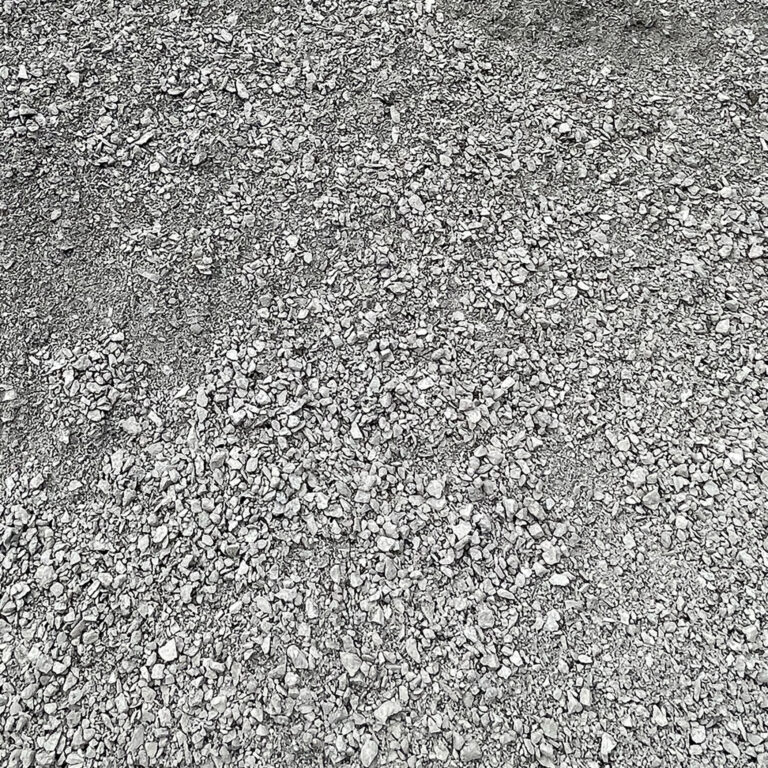
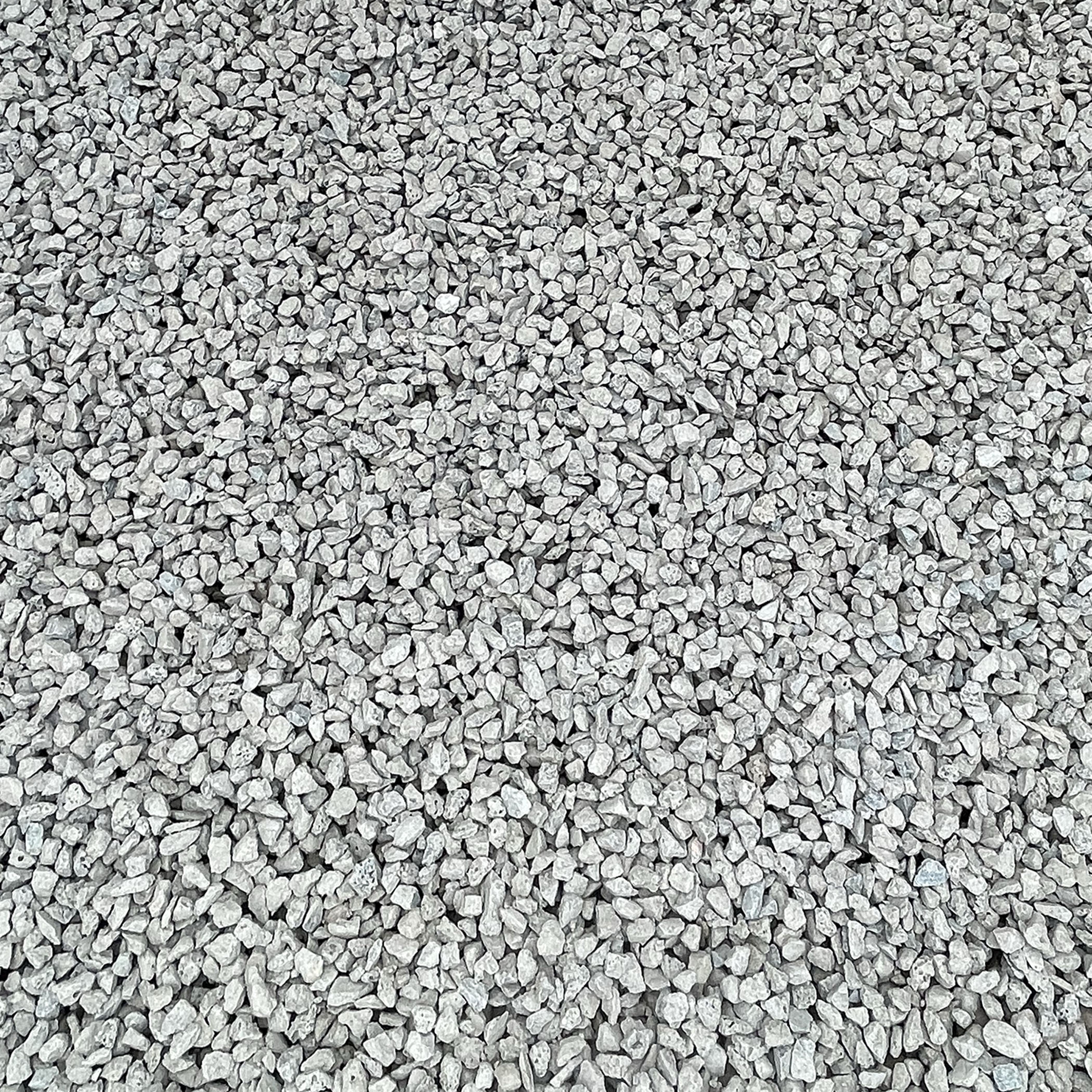
Screening 20mm is crushed stone screened to a single 20mm size with the fines removed. Without fines it does not compact hard, and the open voids between the stones let water move through freely.
That makes it the standard backfill around agricultural drainage pipe, the fill for drainage trenches and soakage pits, and a drainage layer behind retaining walls. Give a drainage line enough fall to an outlet, and wrap the pipe in geotextile fabric so fine soil does not wash in over time.
On a path it stays loose, so contain it with edging. Where a firm, compacted surface is wanted, use Crush Rock 20mm, which keeps its fines.
Technical Specifications
| Material | Screened rock |
|---|---|
| Size | 20mm |
| Application | Drainage, paths, general construction |
| Sold as | Loose, by the cubic metre in quarter-m3 steps |
| Collection | Pickup from Keilor East, Melbourne |
Where to Use
- Drainage trenches and backfill around agricultural pipe
- Drainage layer behind retaining walls and under slabs
- Loose gravel paths contained in edging
How to Apply
- Excavate the trench or area – to the required depth and fall for drainage, or base depth for a path.
- Lay drainage pipe if applicable – position agricultural pipe before backfilling.
- Backfill with Screening 20mm – spread evenly around the pipe or across the path base.
- Settle the layer – rake level; screenings do not compact hard, so contain a path in edging.
- Finish as required – cover the drainage trench, or finish the path surface on top.
Important Notes
- Adequate fall is needed for drainage applications to actually move water away.
- Not a compacting base material: it has no fines, so it stays loose. Use Crush Rock 20mm where a firm compacted surface is needed.
- Pickup from Keilor East (Melbourne). Sold loose by the cubic metre in quarter-m3 steps; part loads of a quarter, half and three-quarter cubic metre are available.
- Crushed stone contains crystalline silica: keep it damp when spreading or sweeping, avoid breathing the dust, and wear a P2 mask if it is dry and dusty.
- Roughly 1.4 to 1.5 tonnes per cubic metre.
- Further reading: Construction aggregate (Wikipedia).