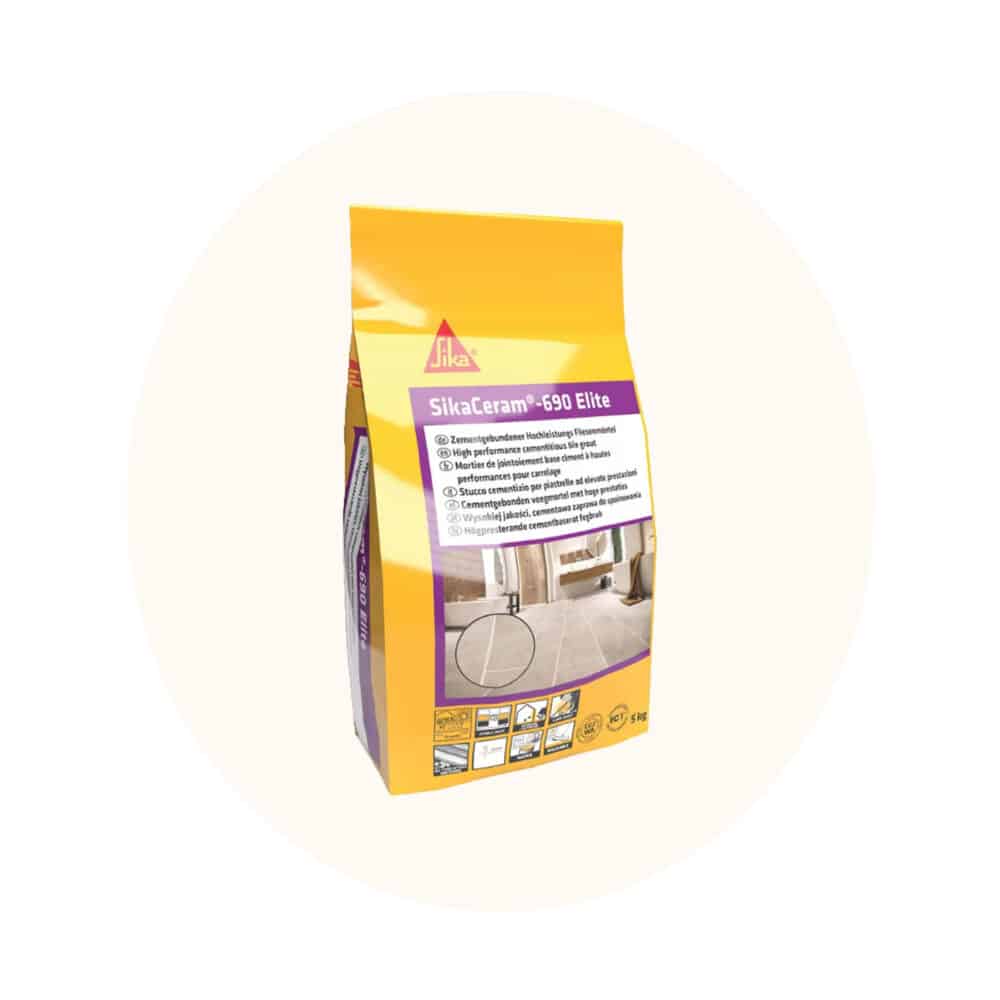
Description
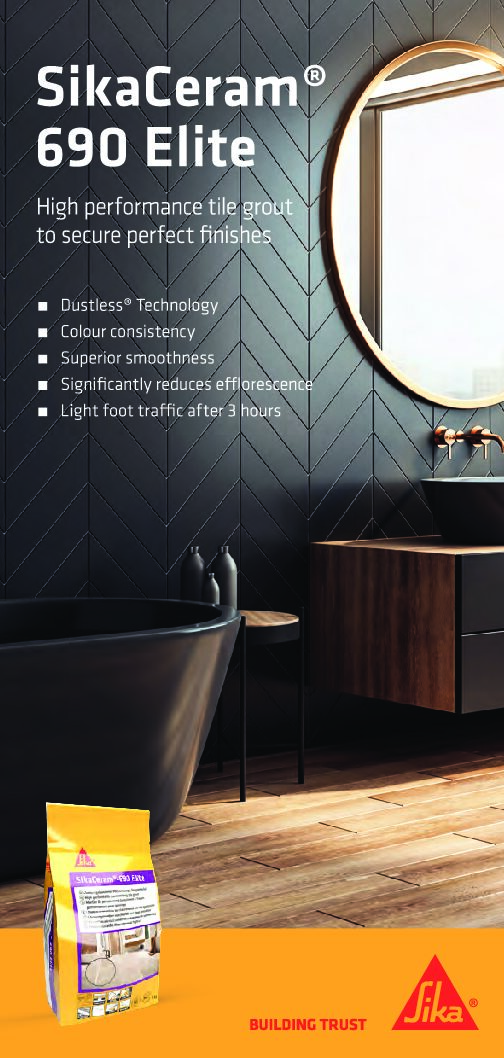
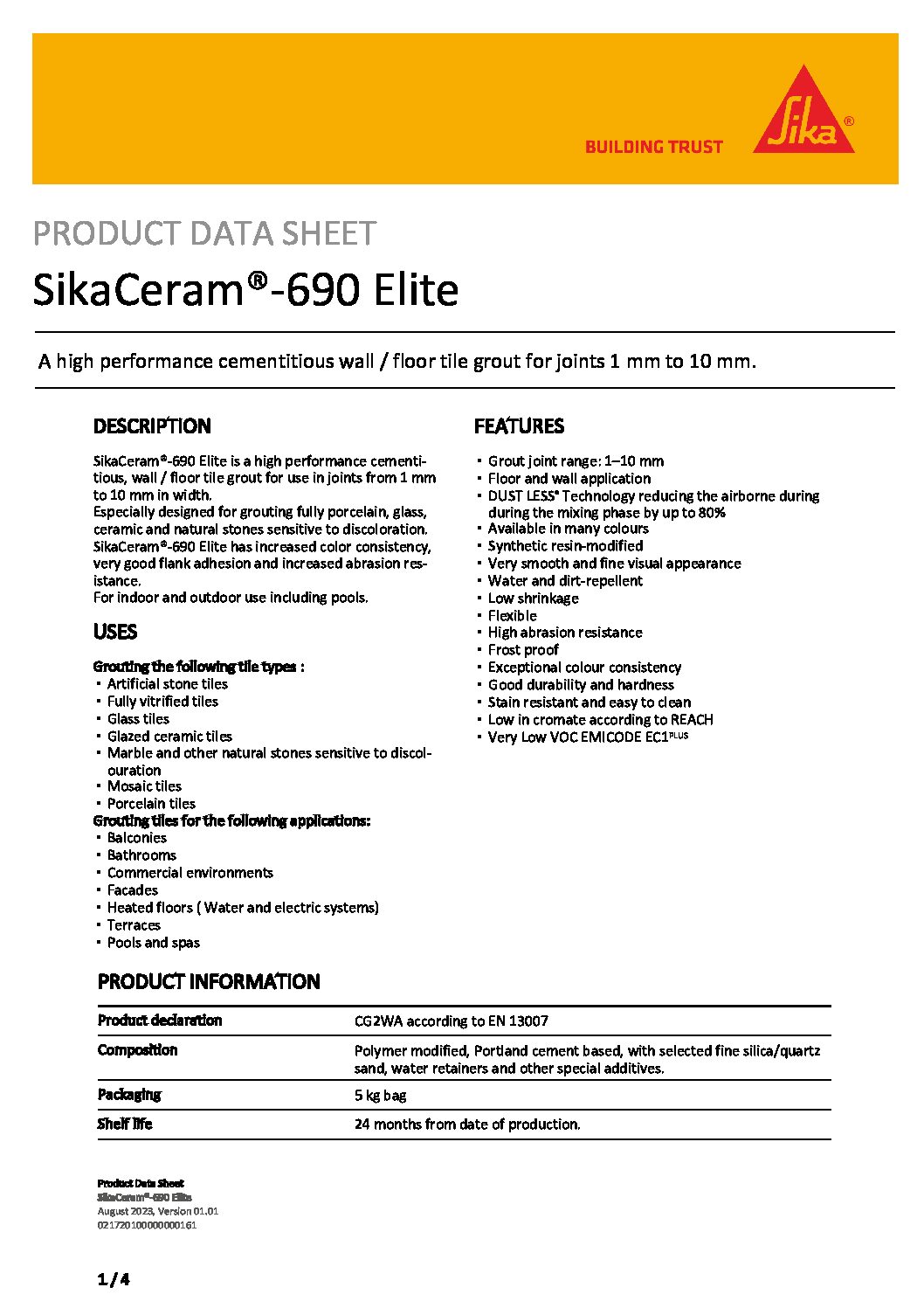
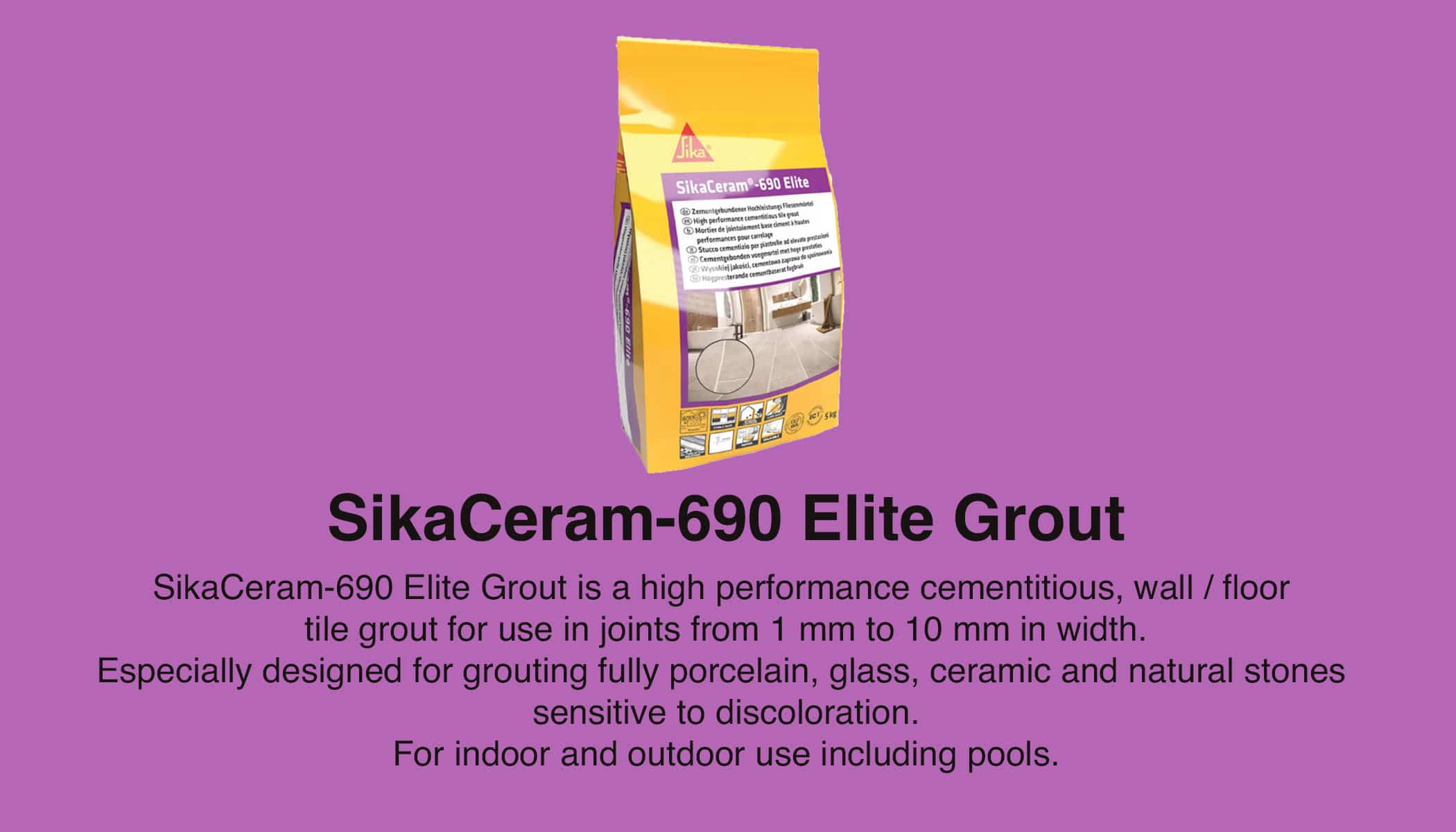
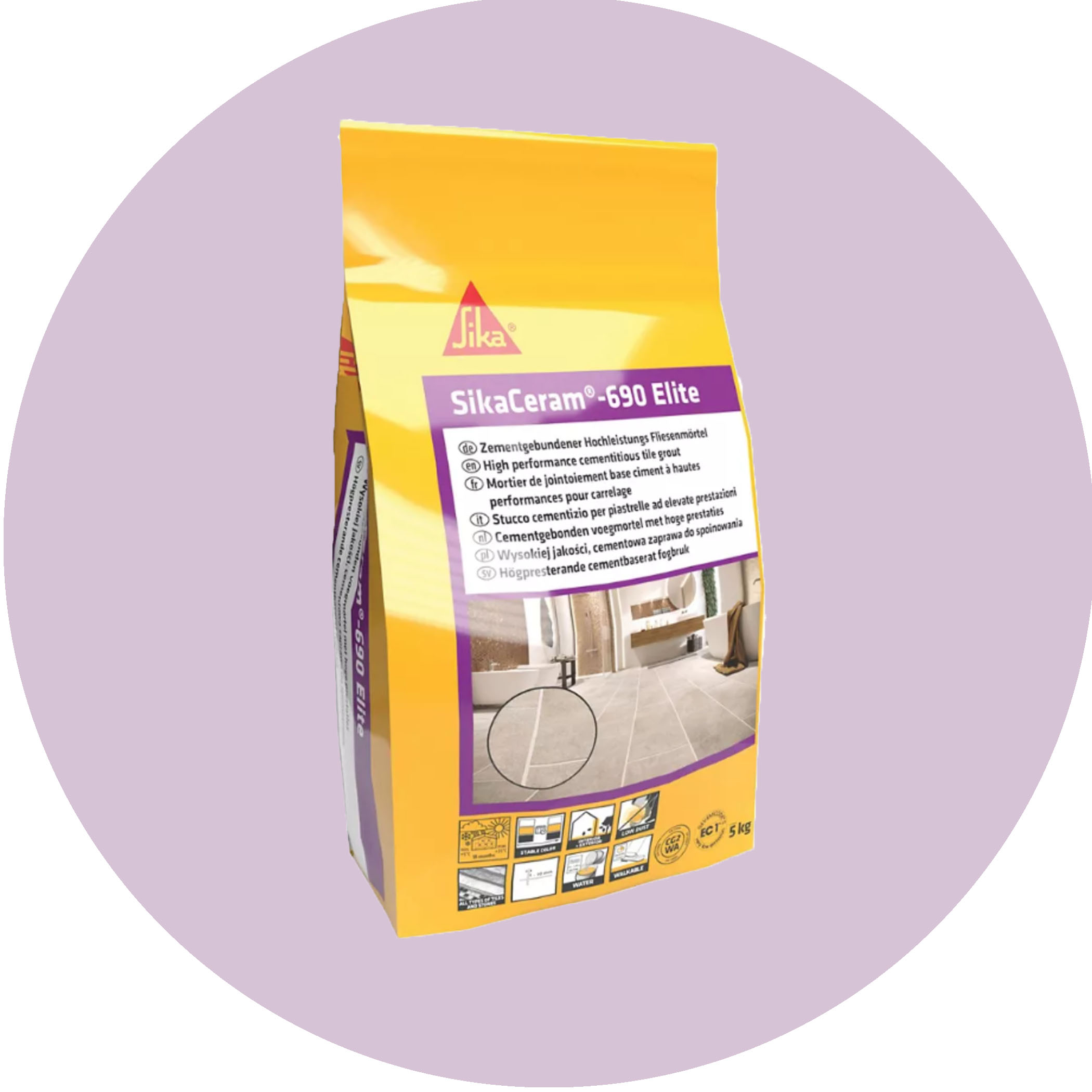
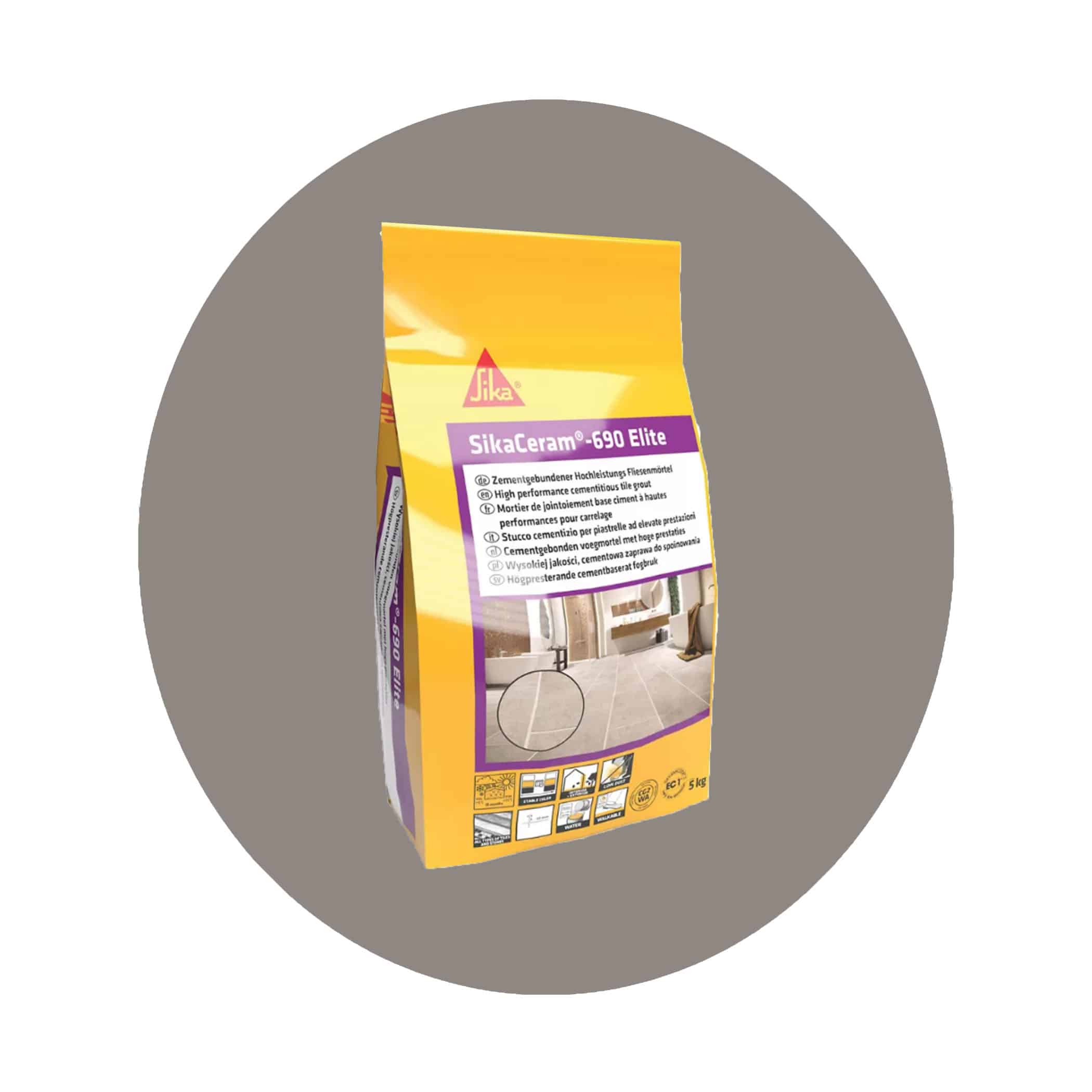
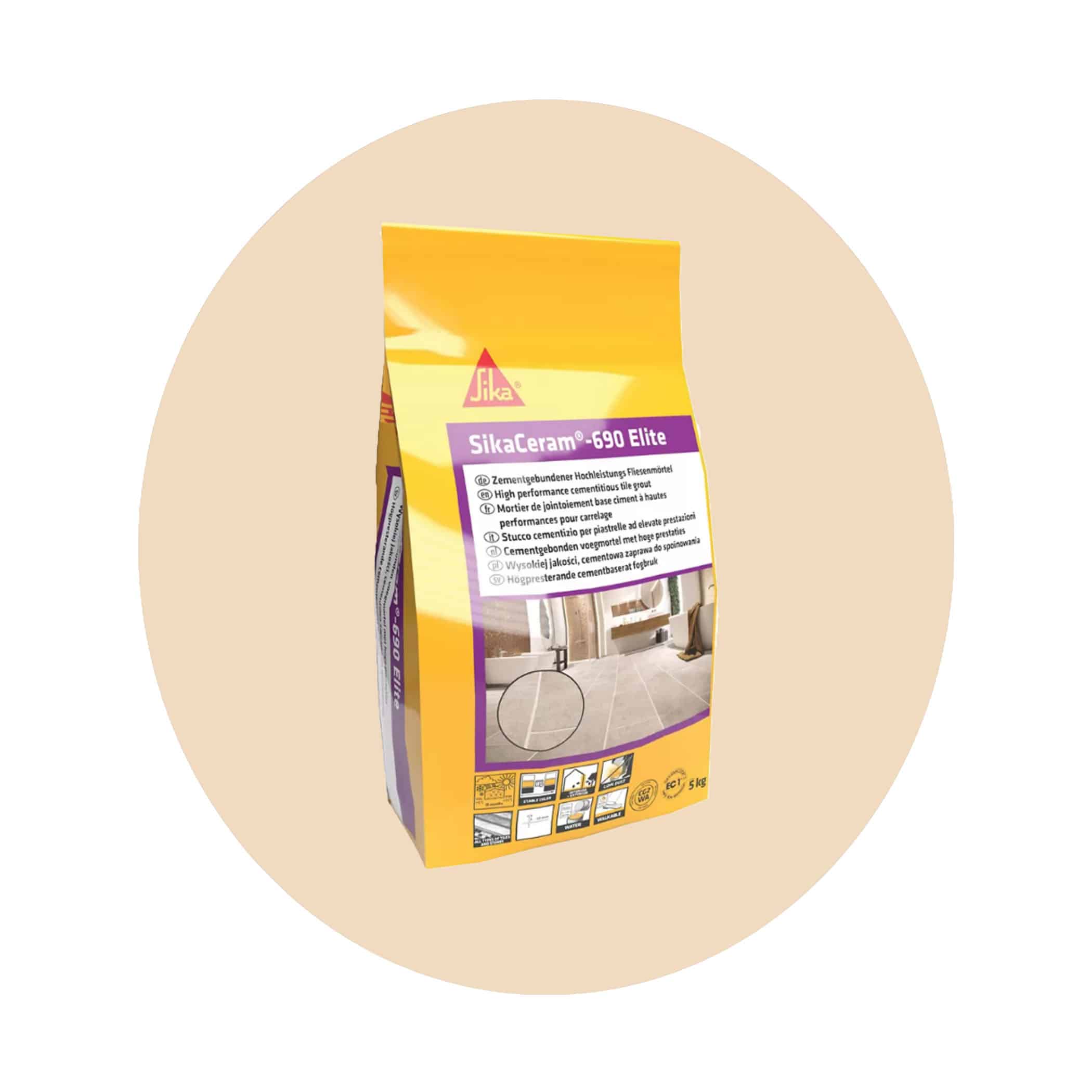
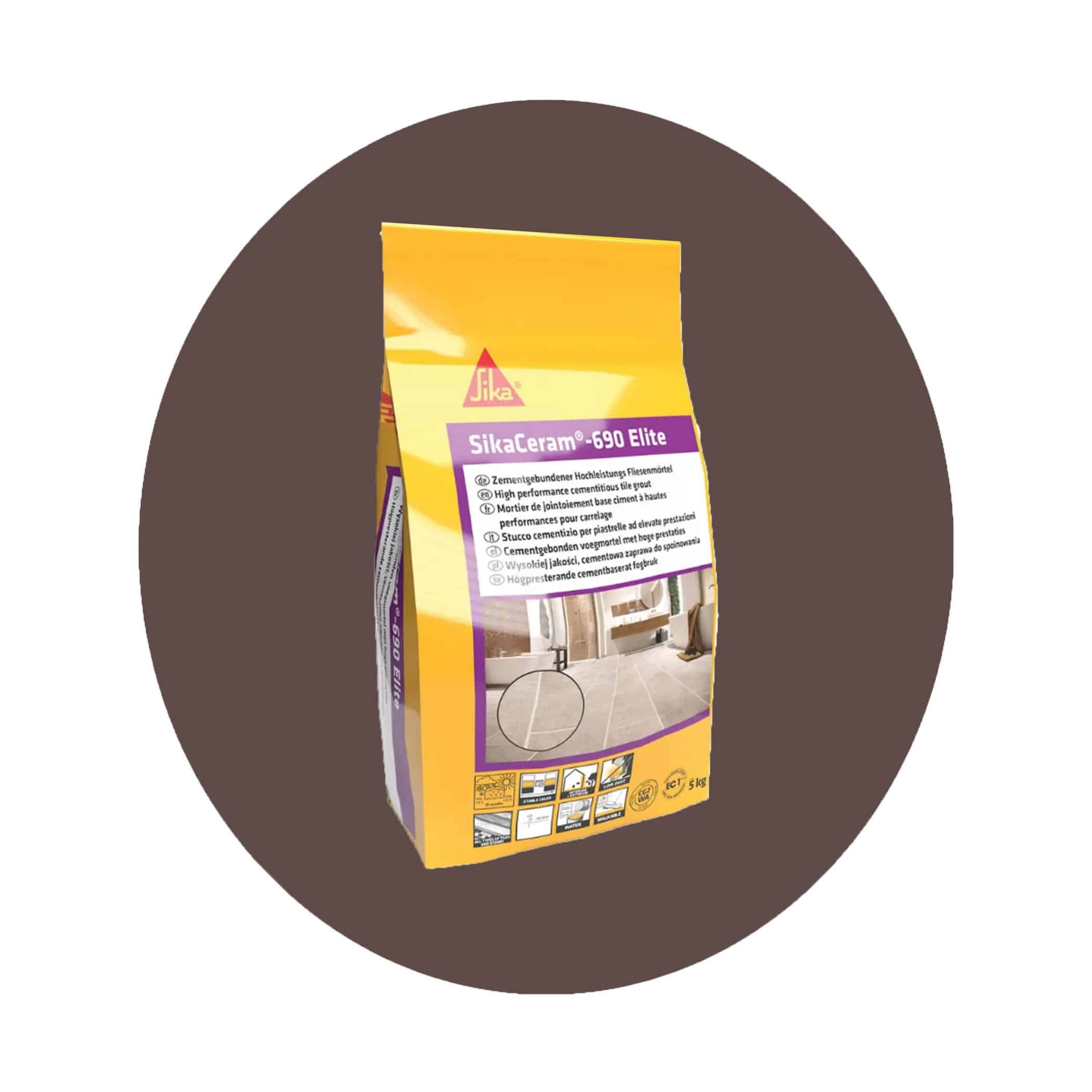
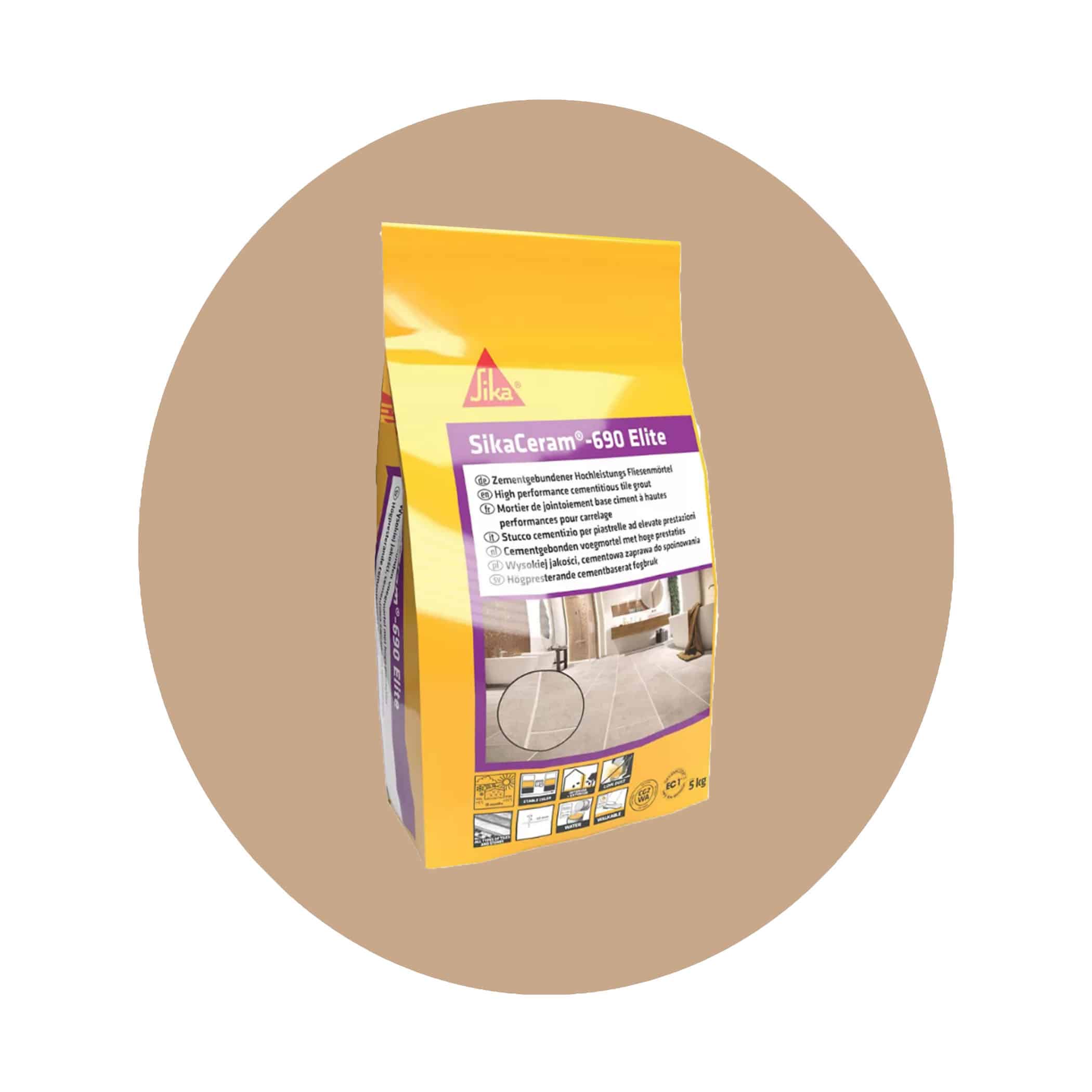
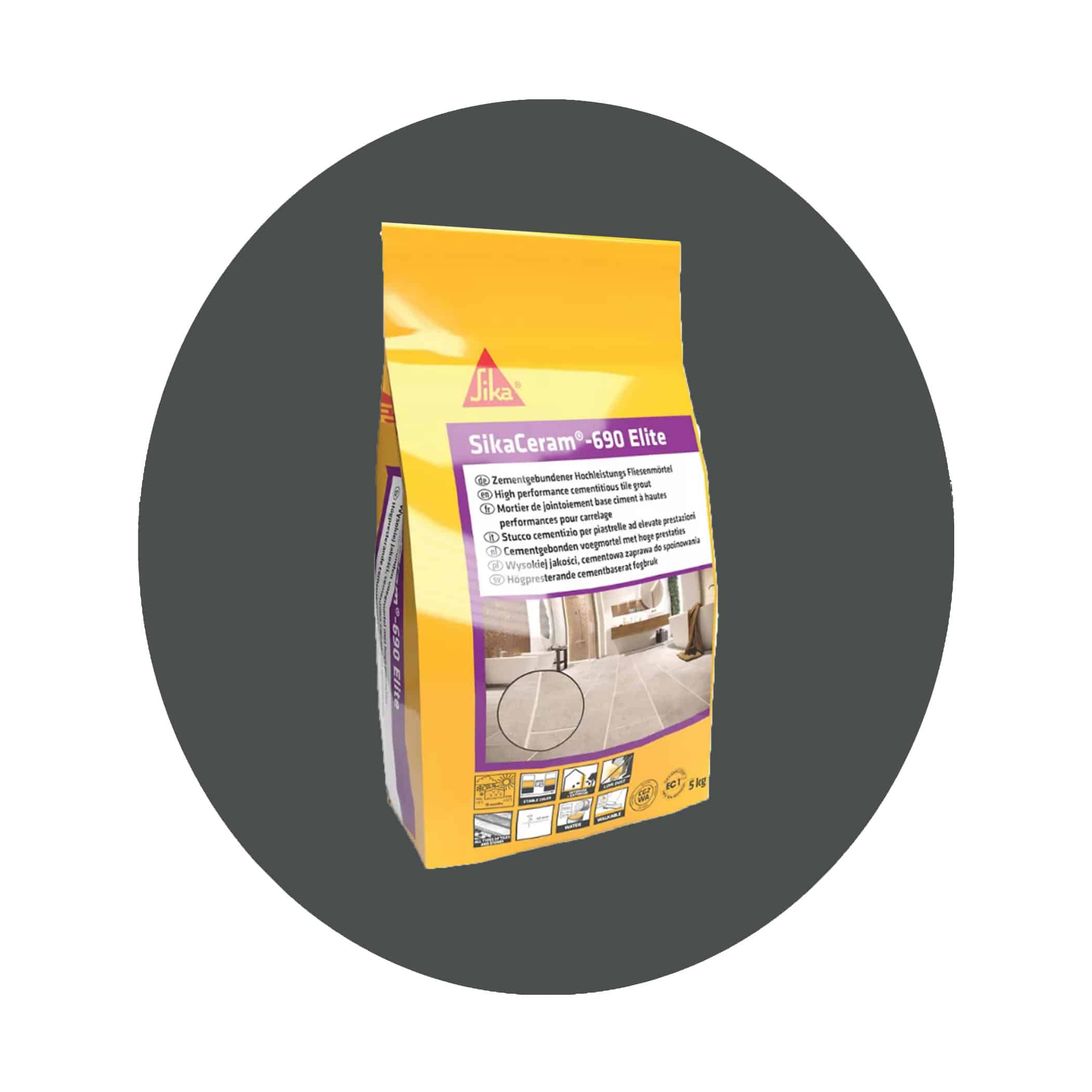
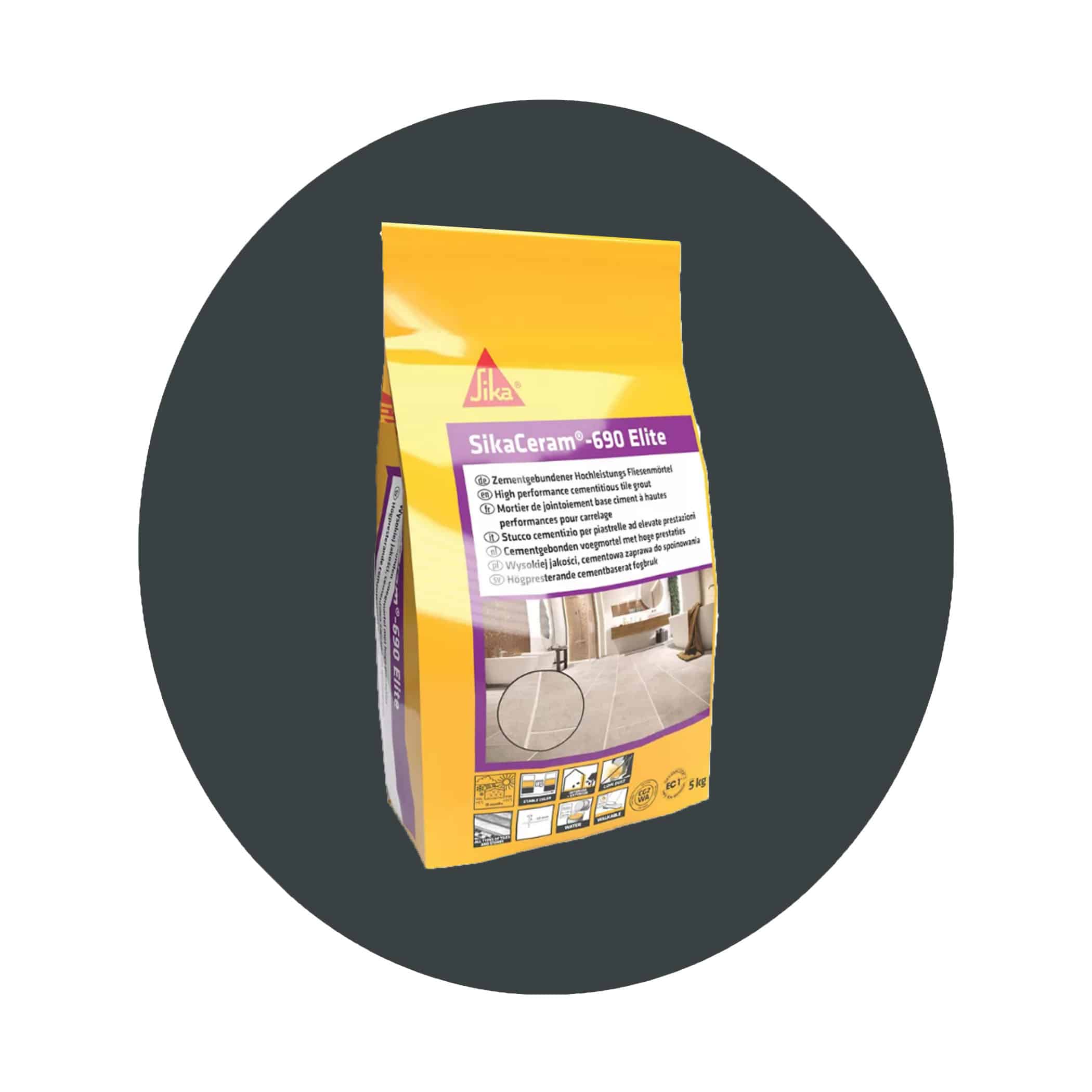
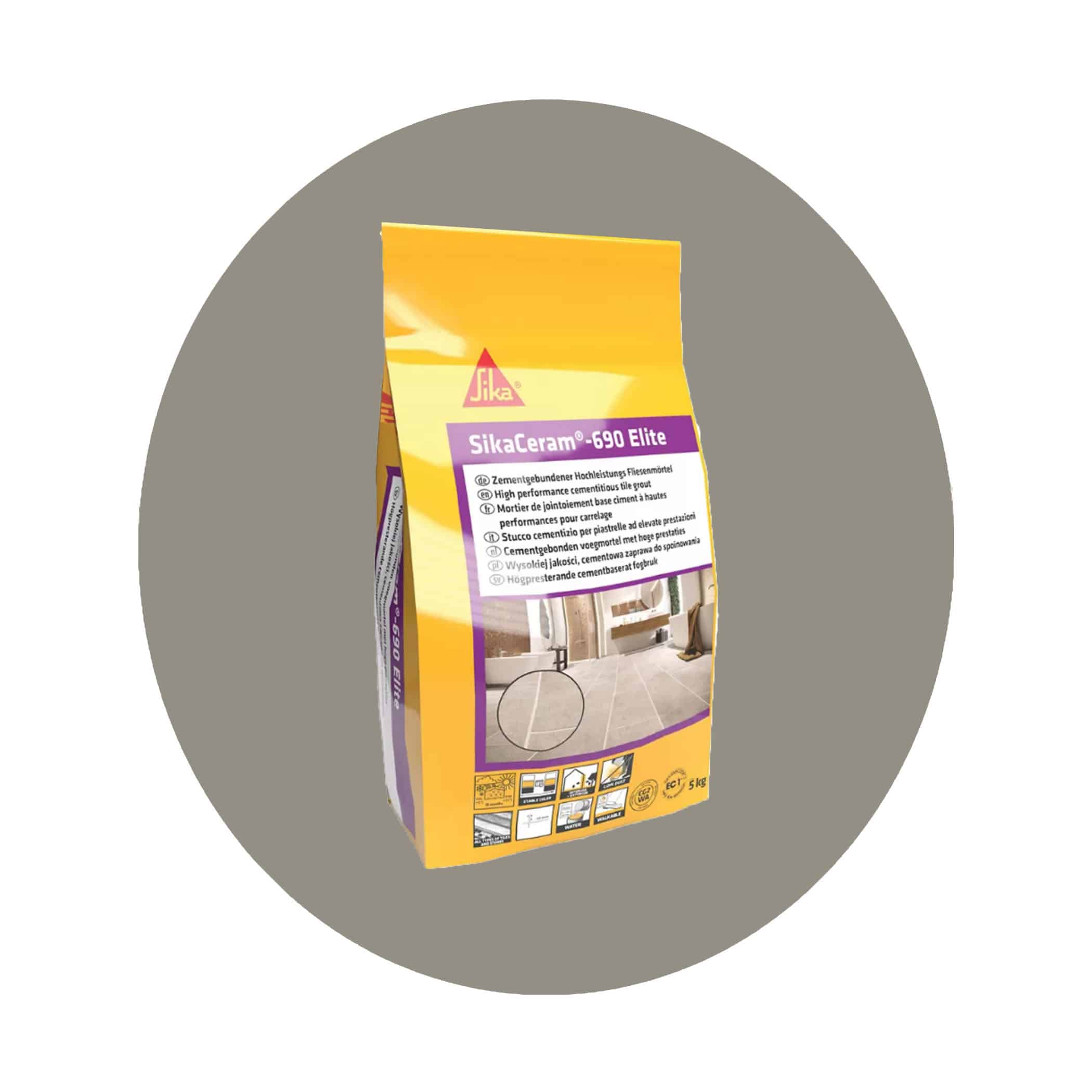
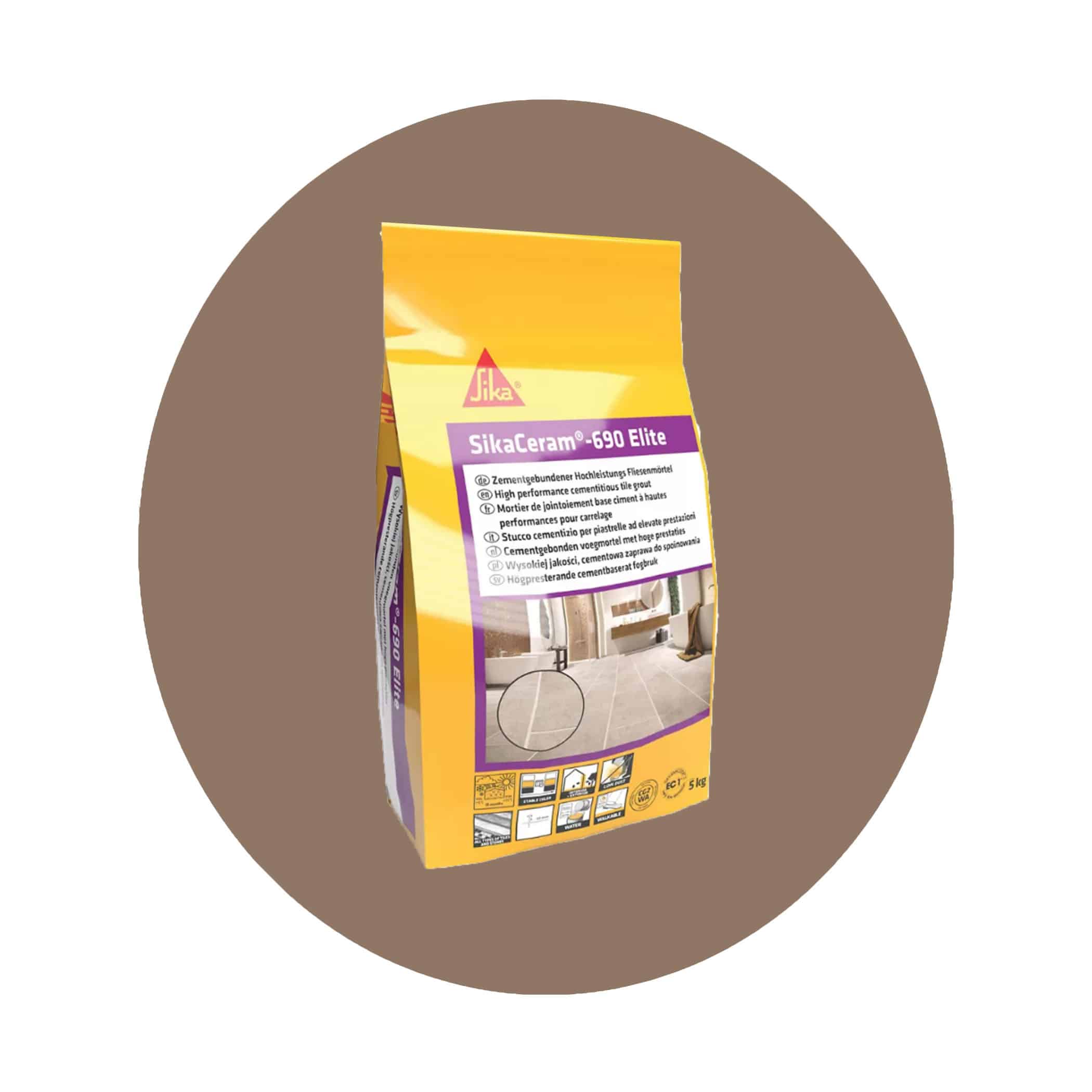
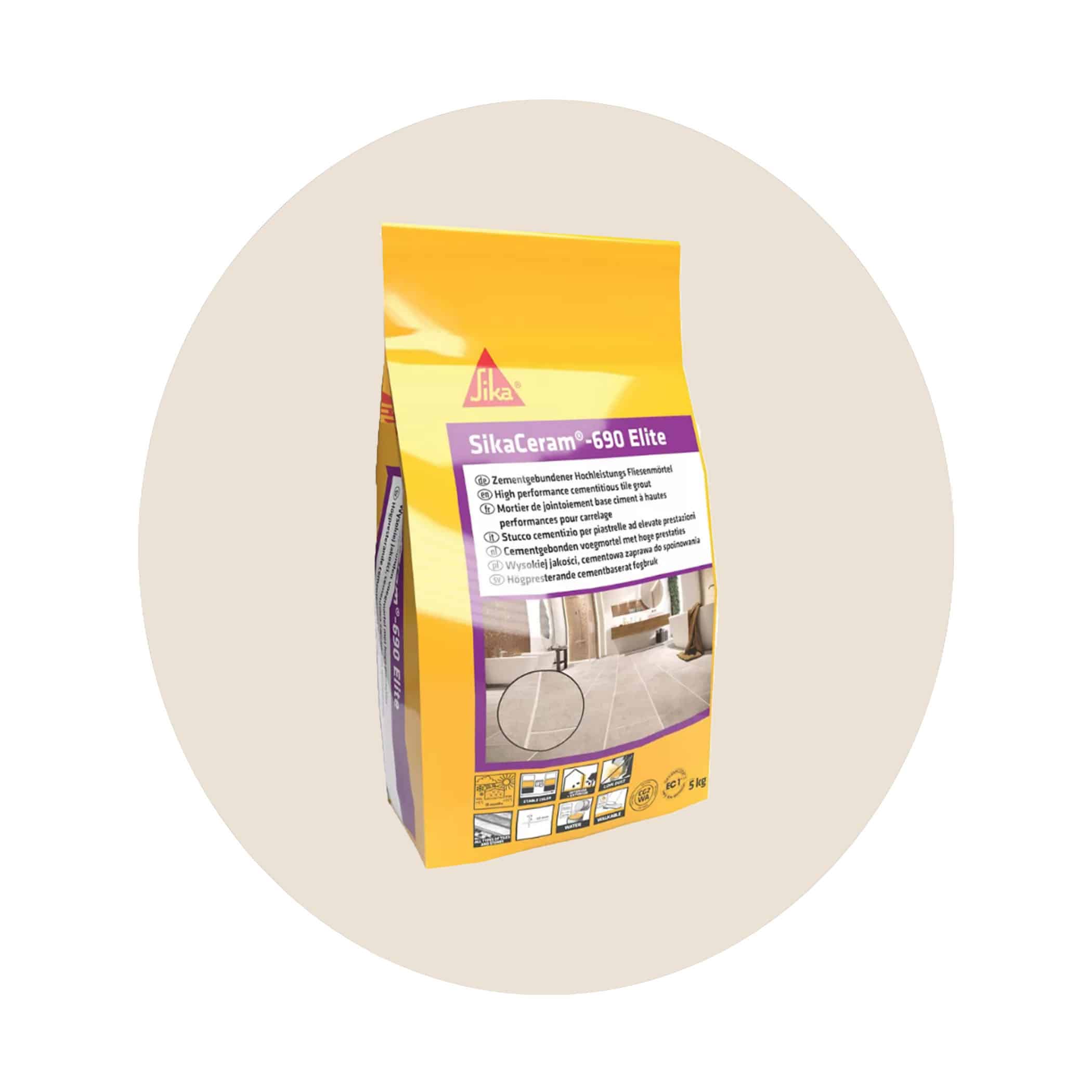
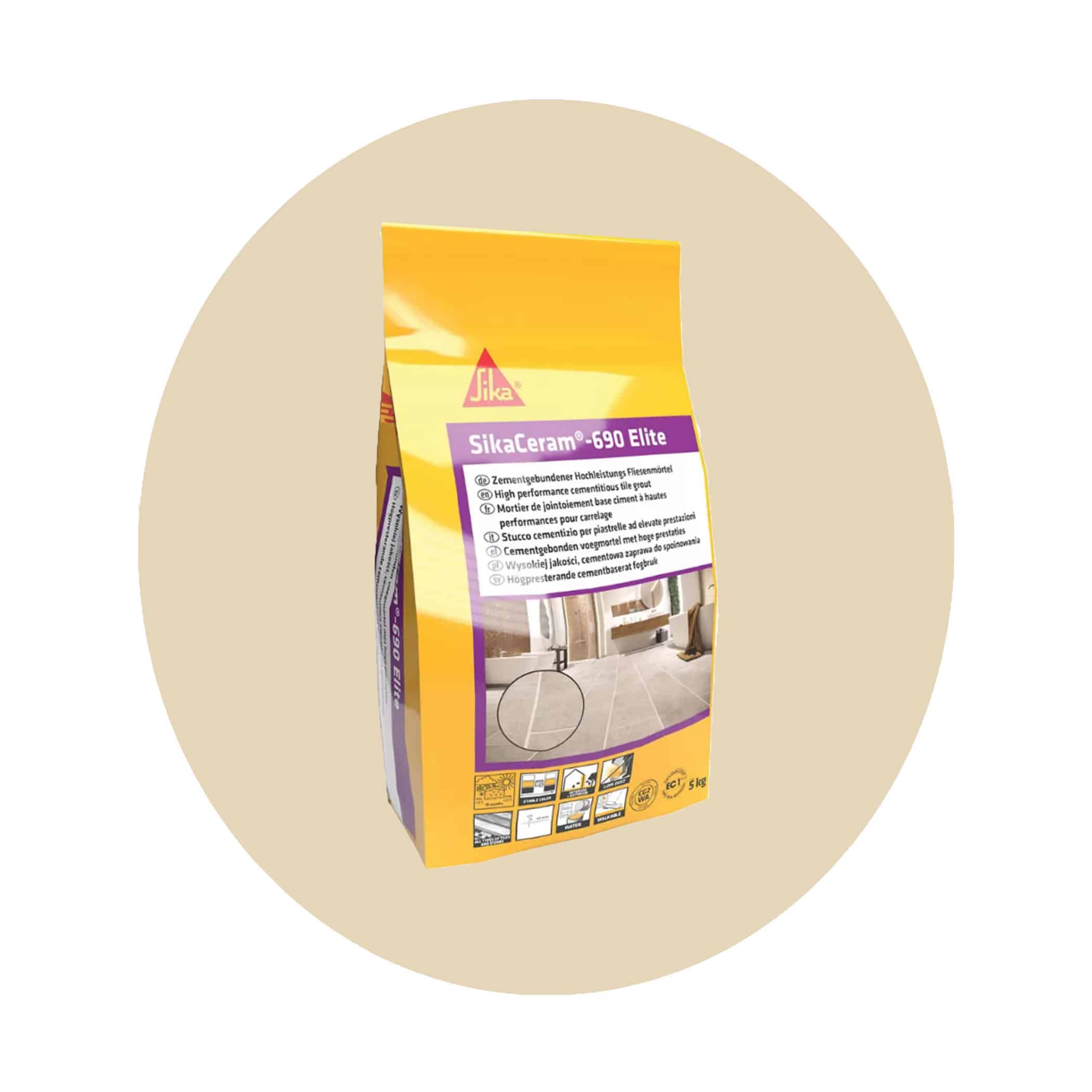
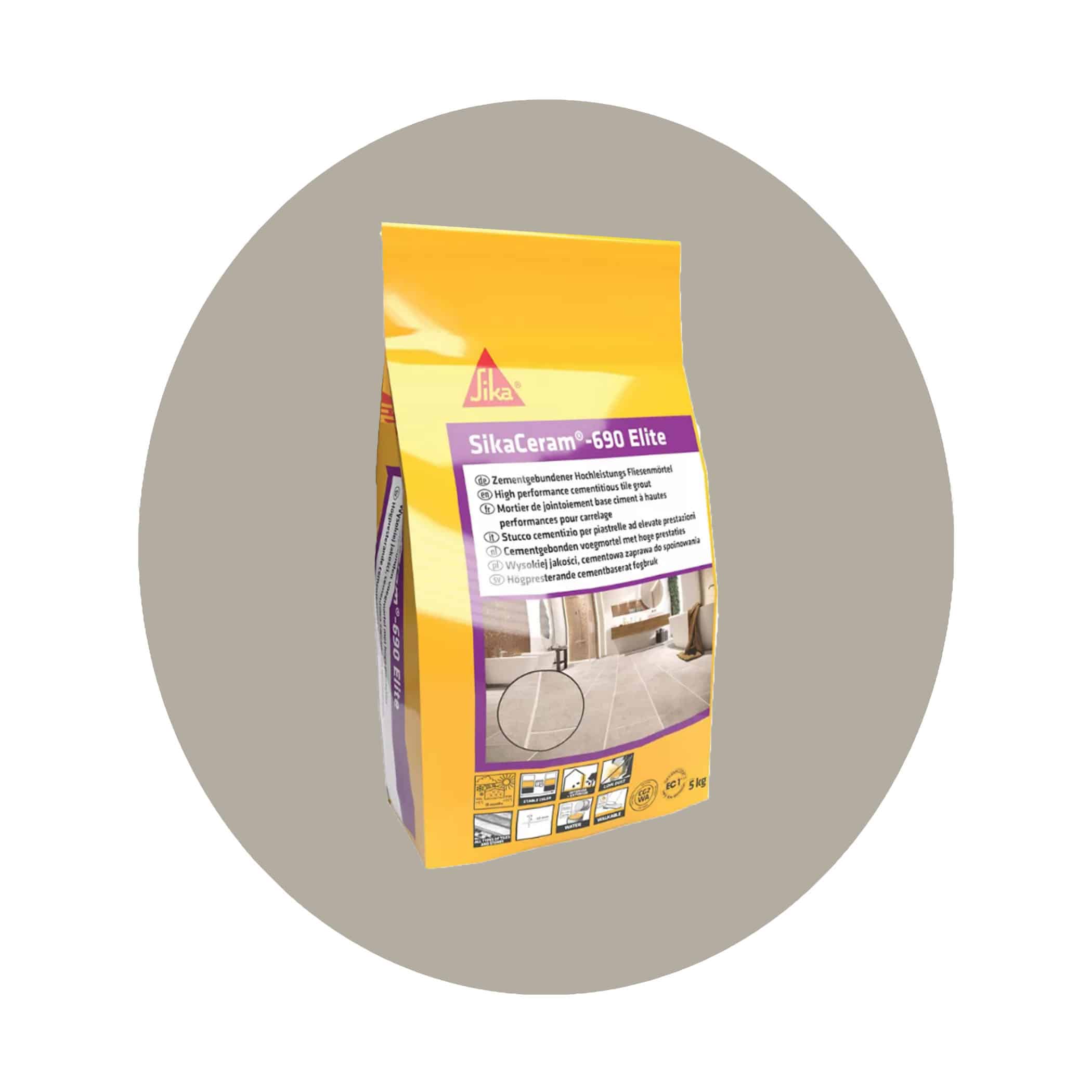
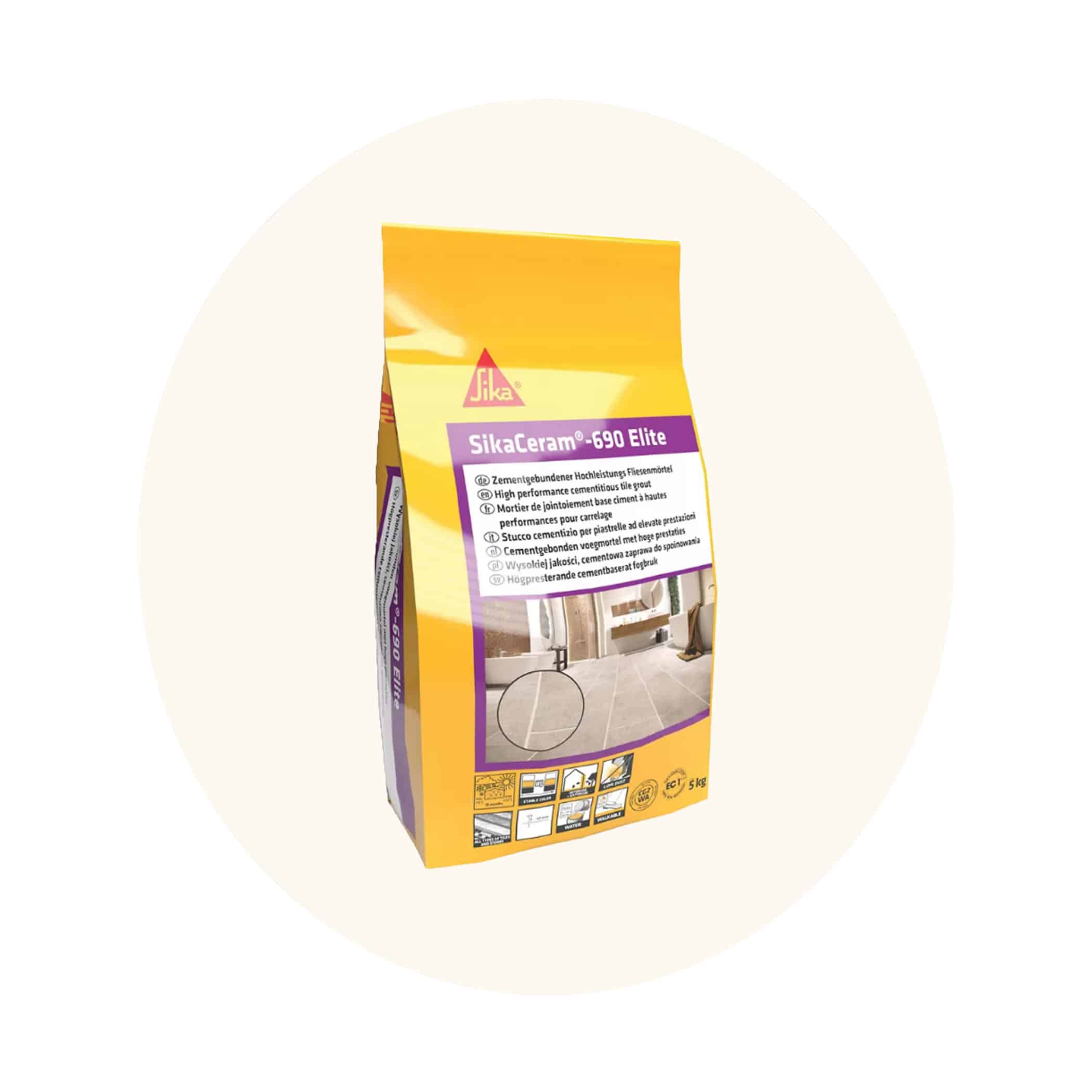
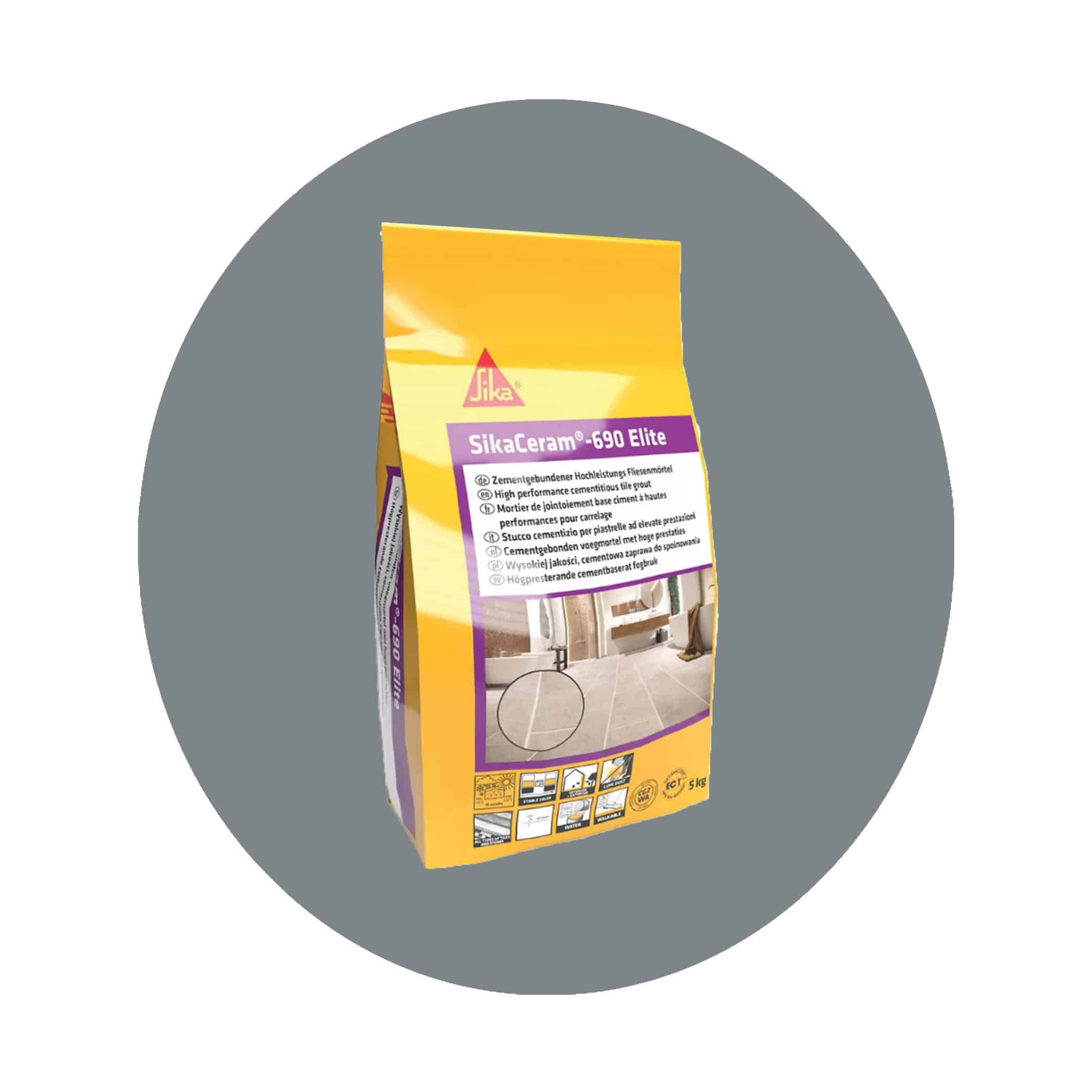
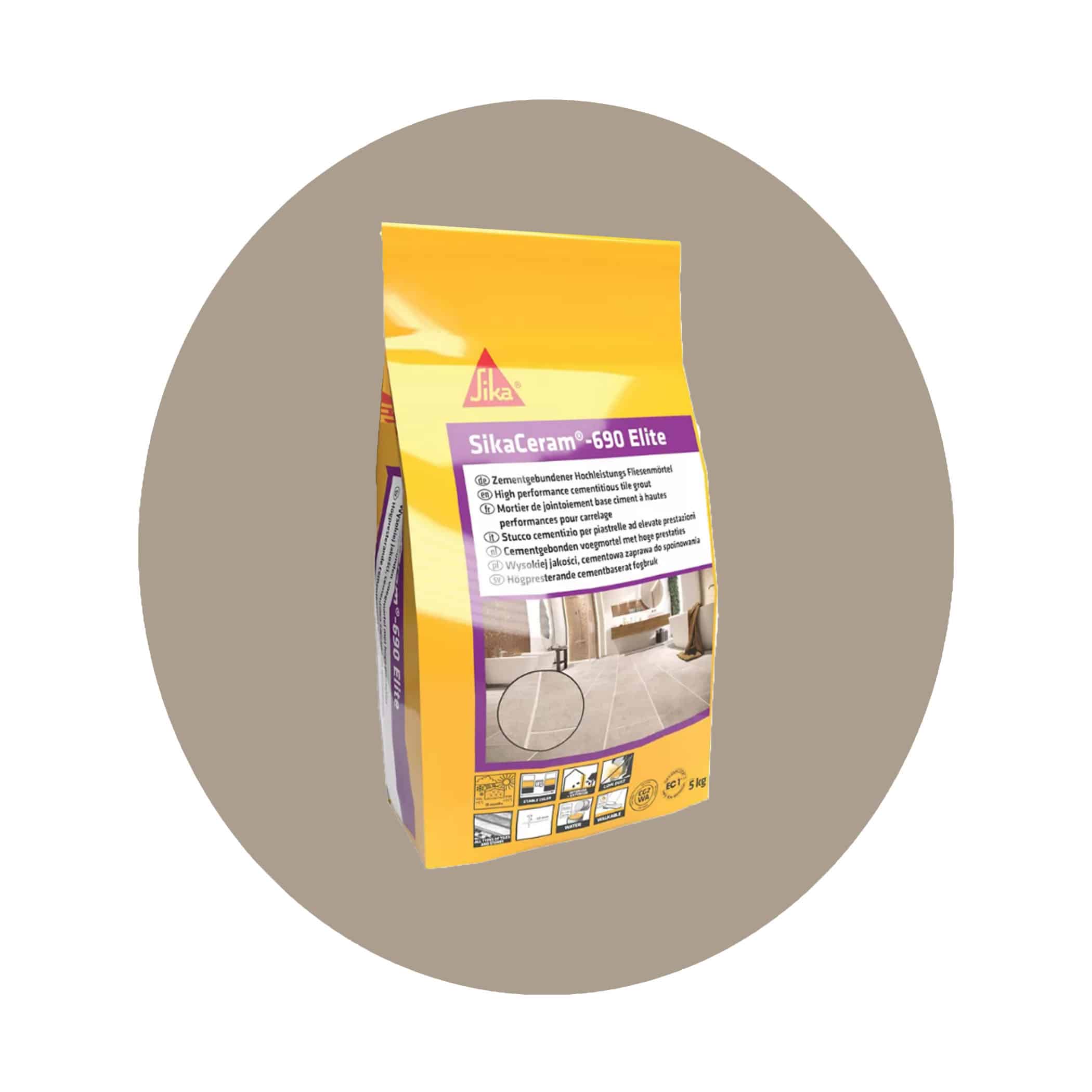
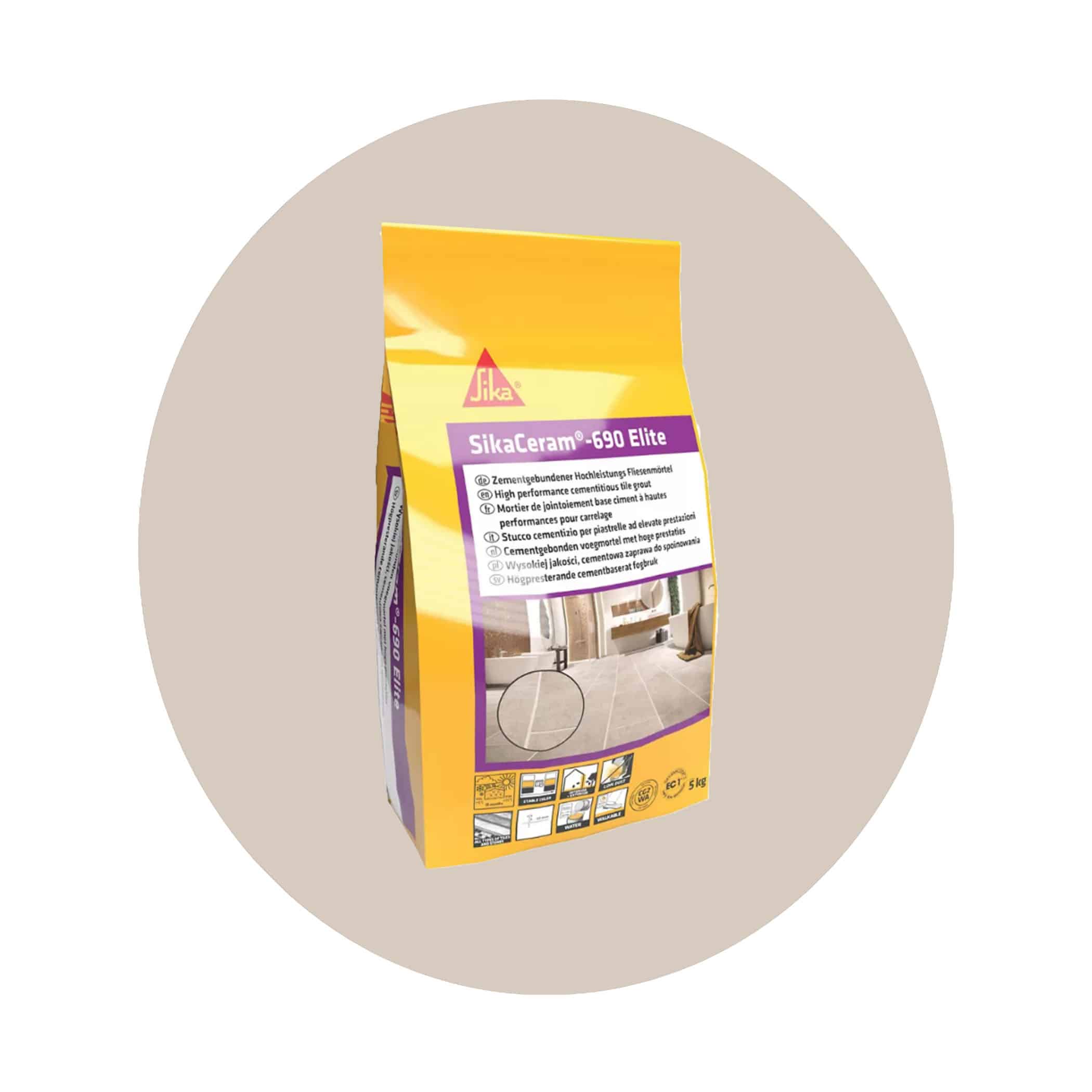
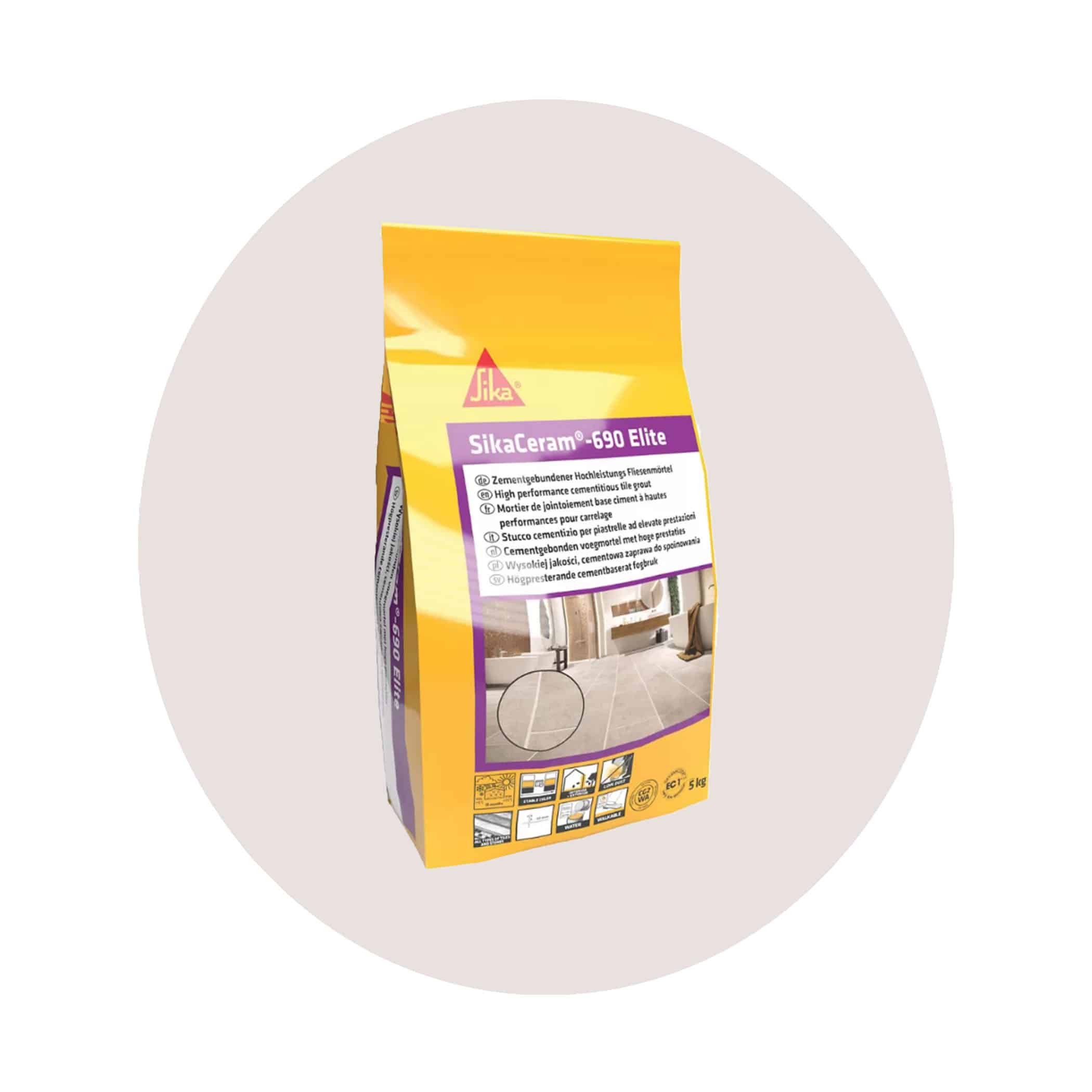
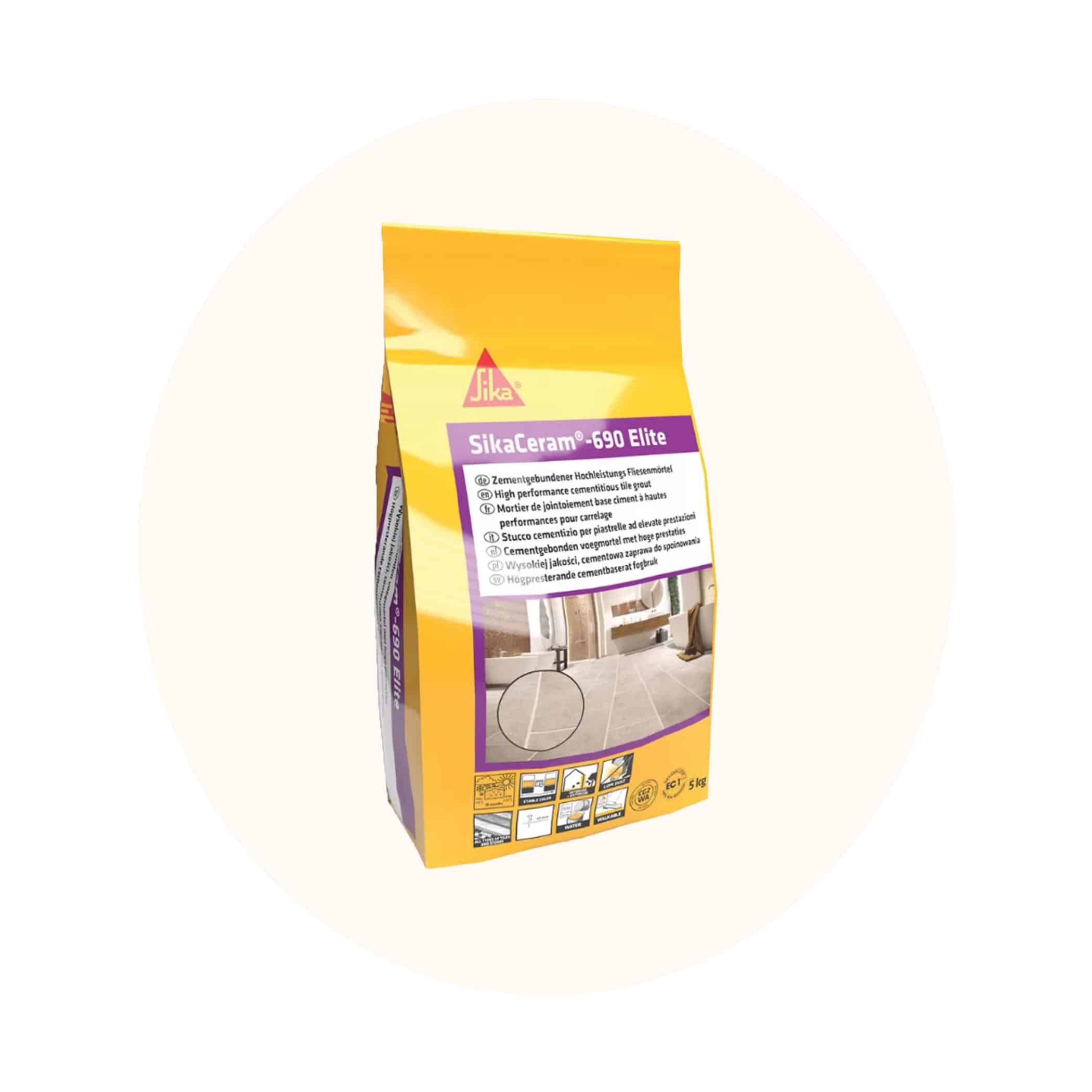
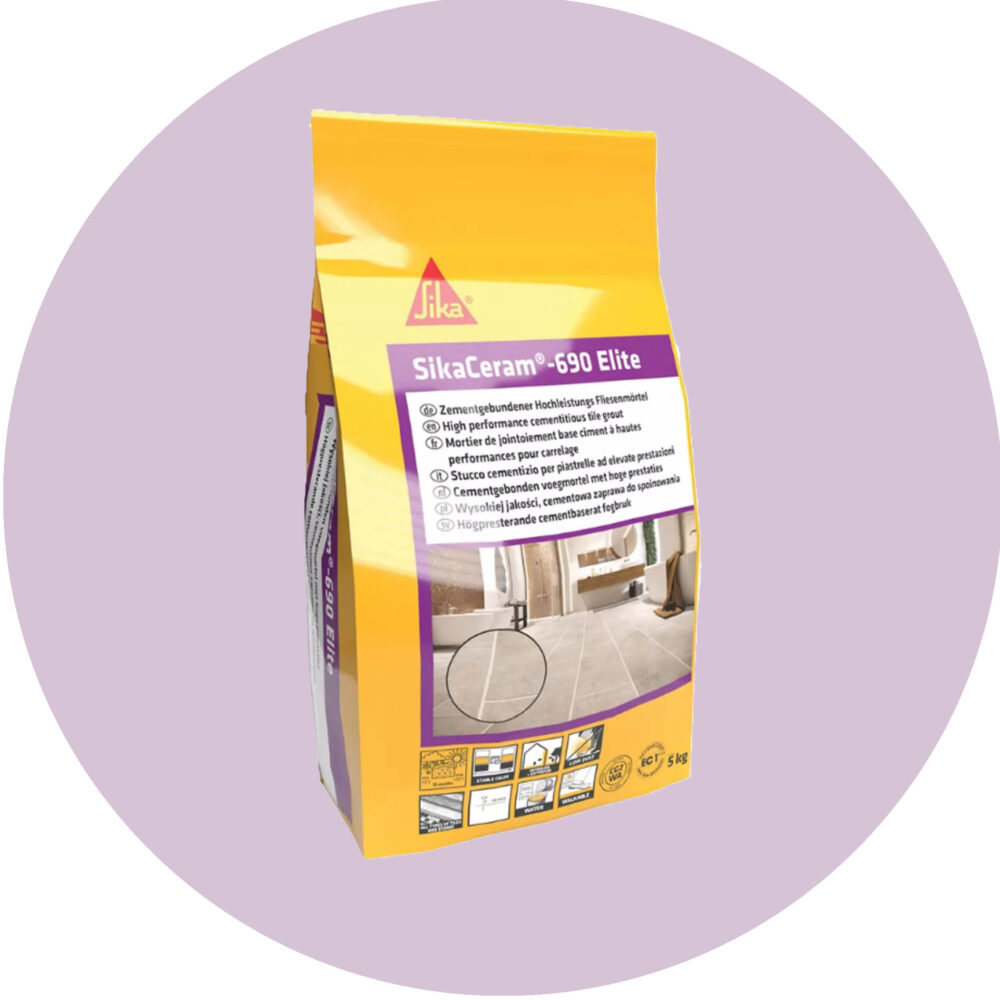
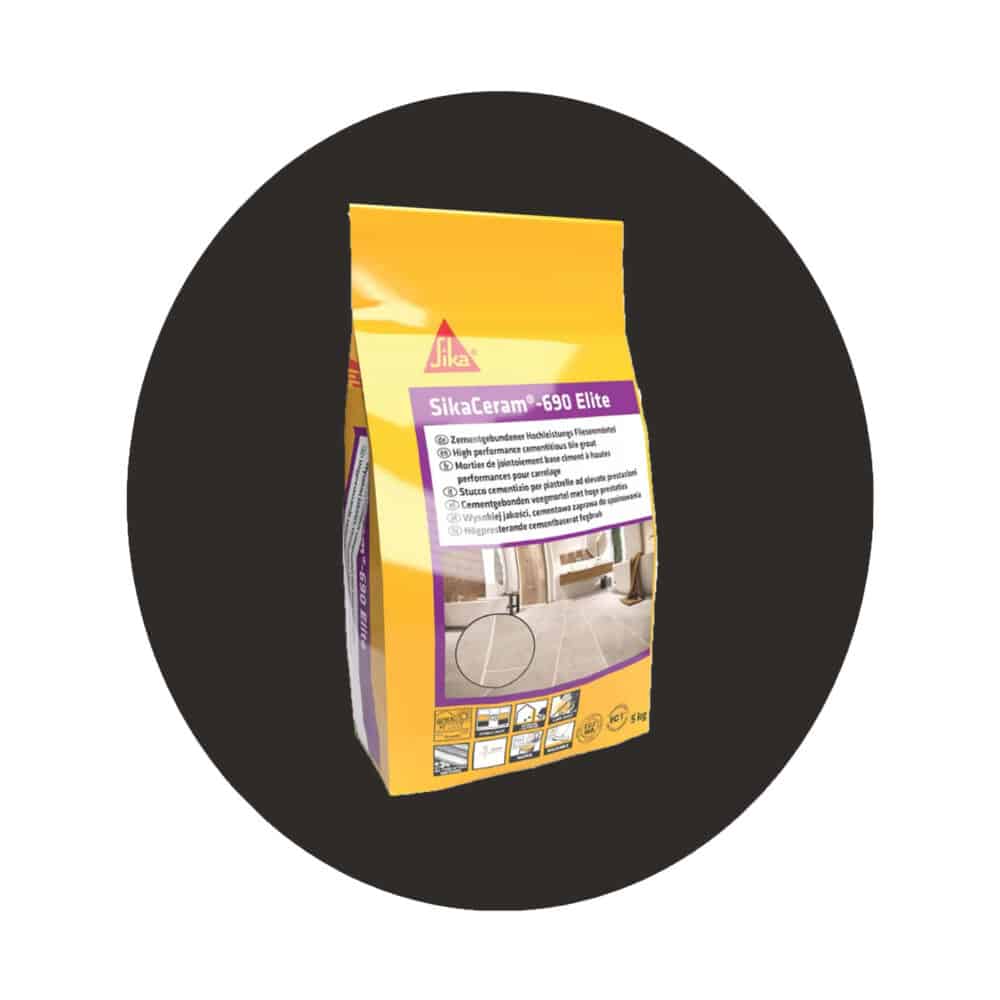
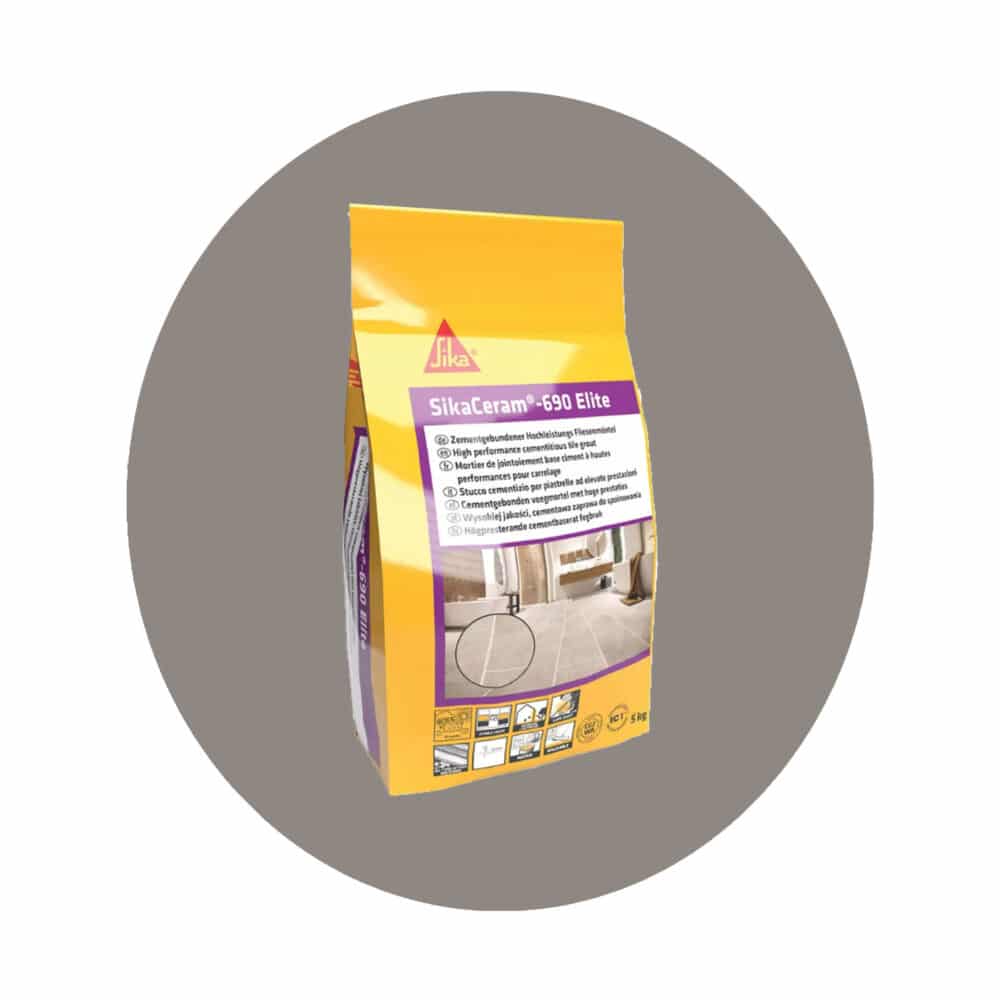
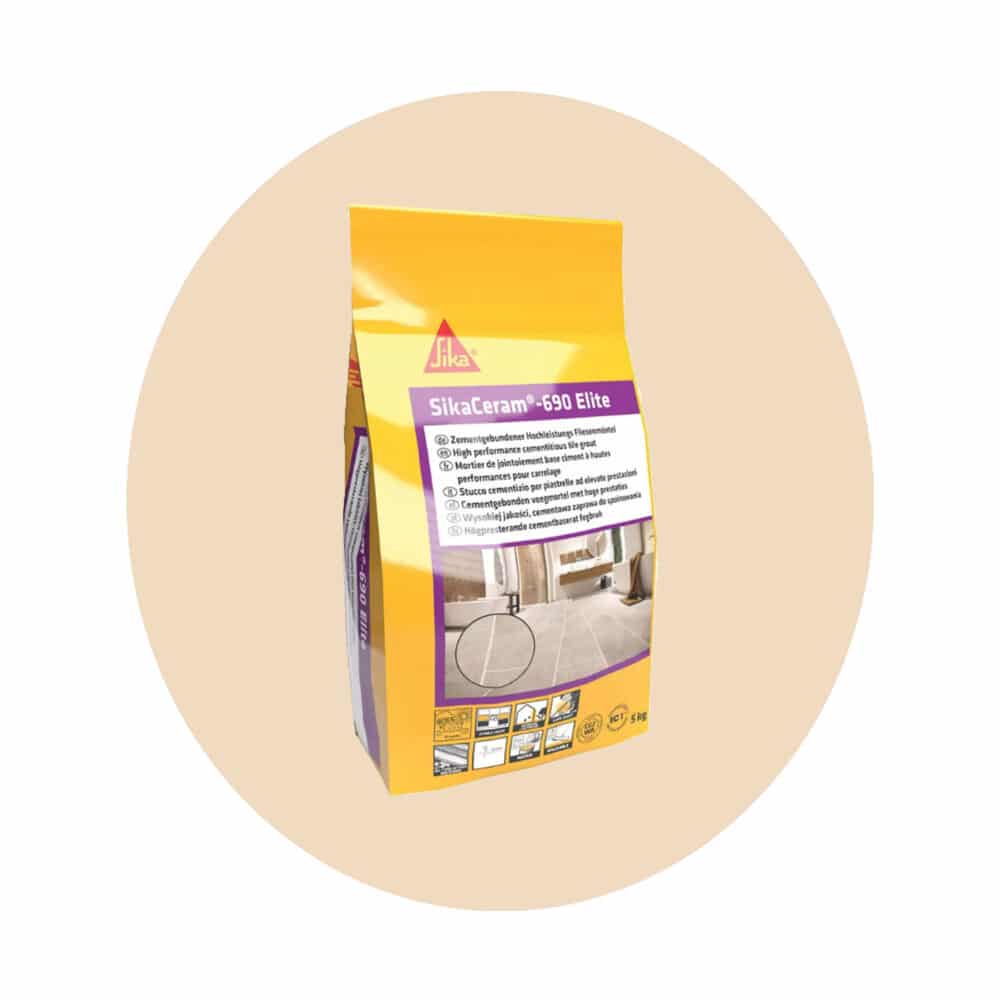
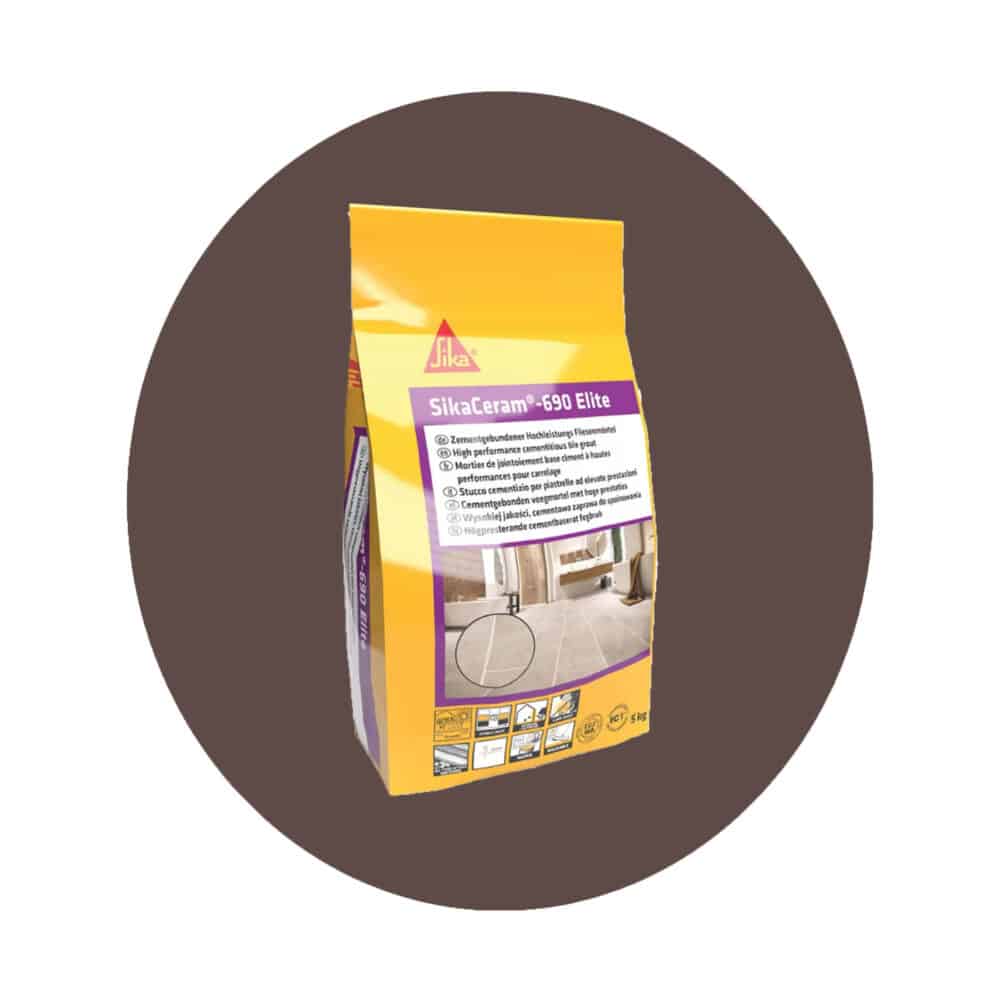
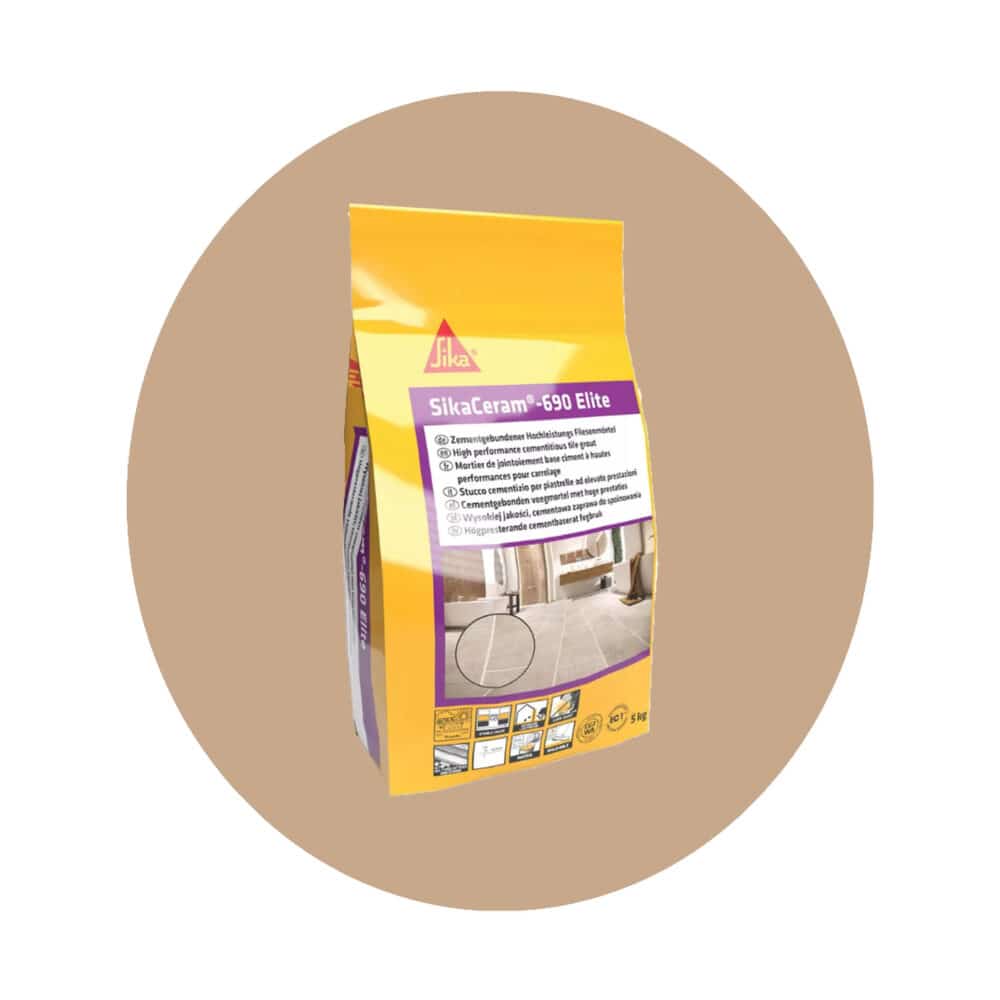
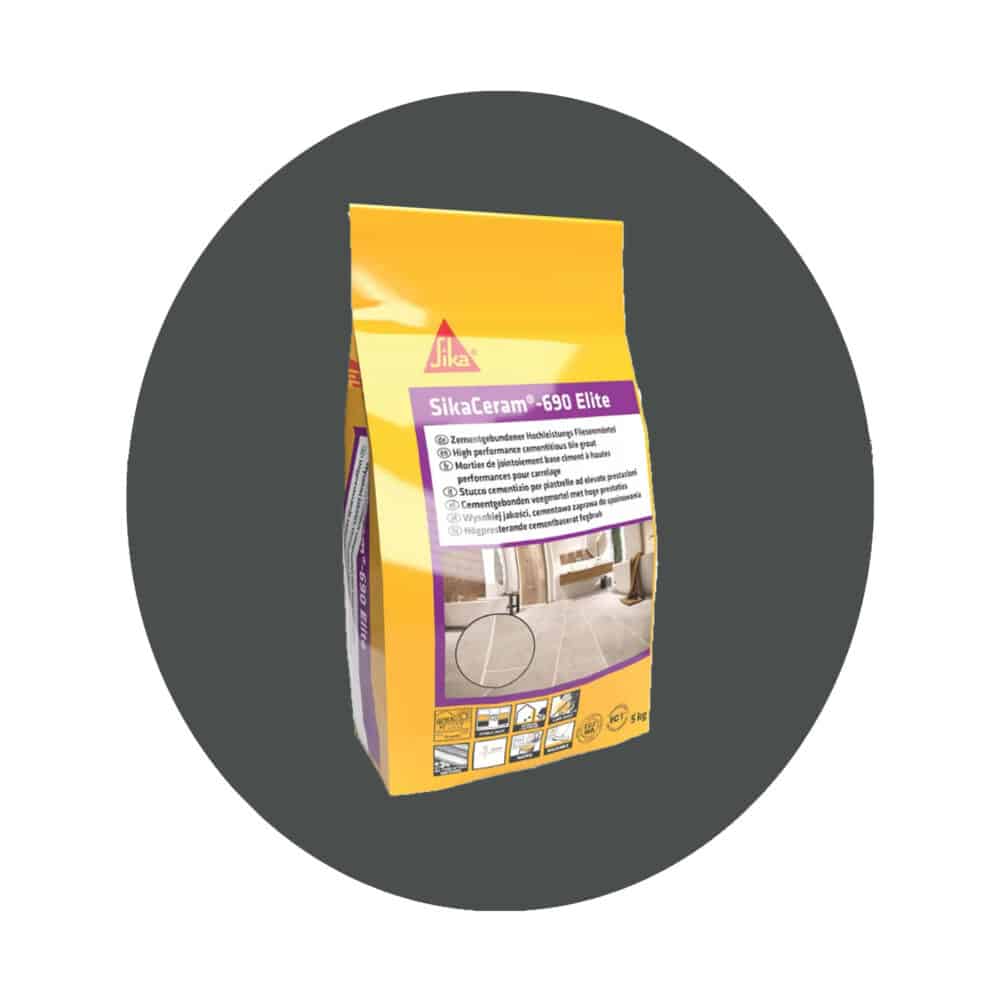
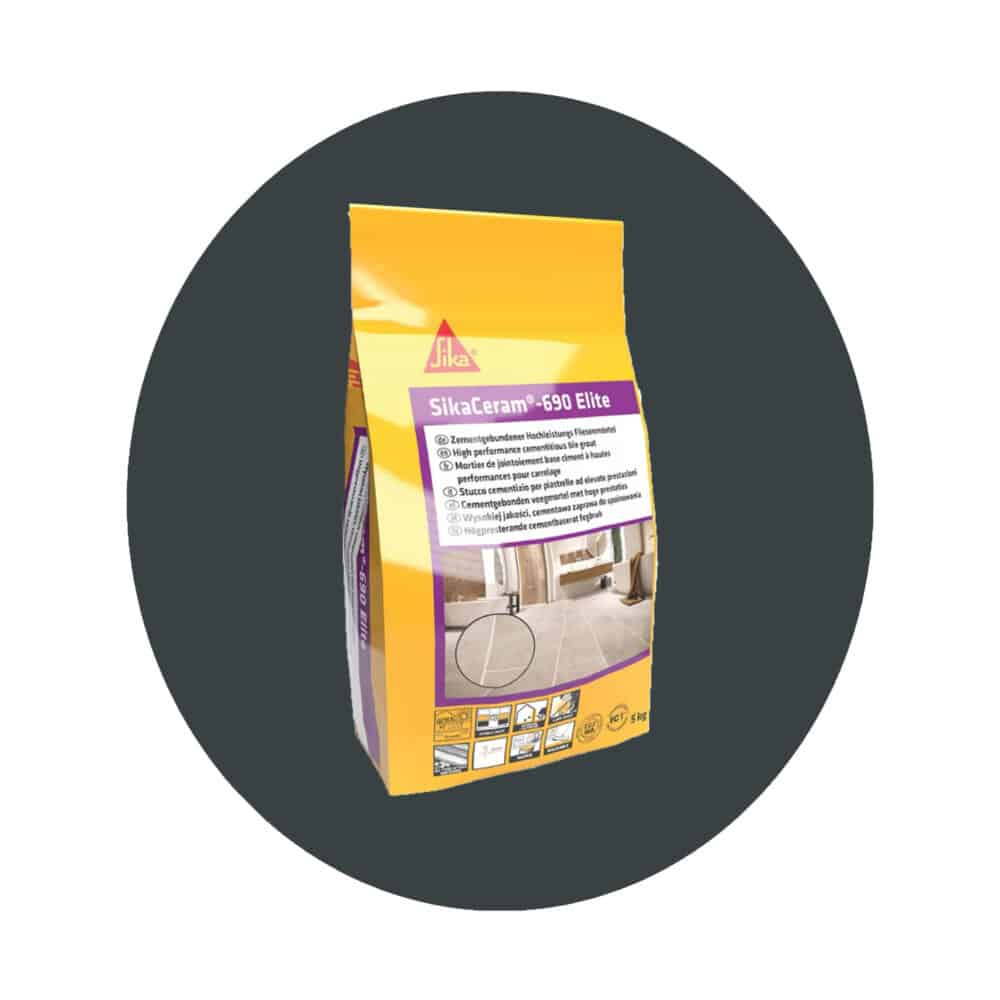
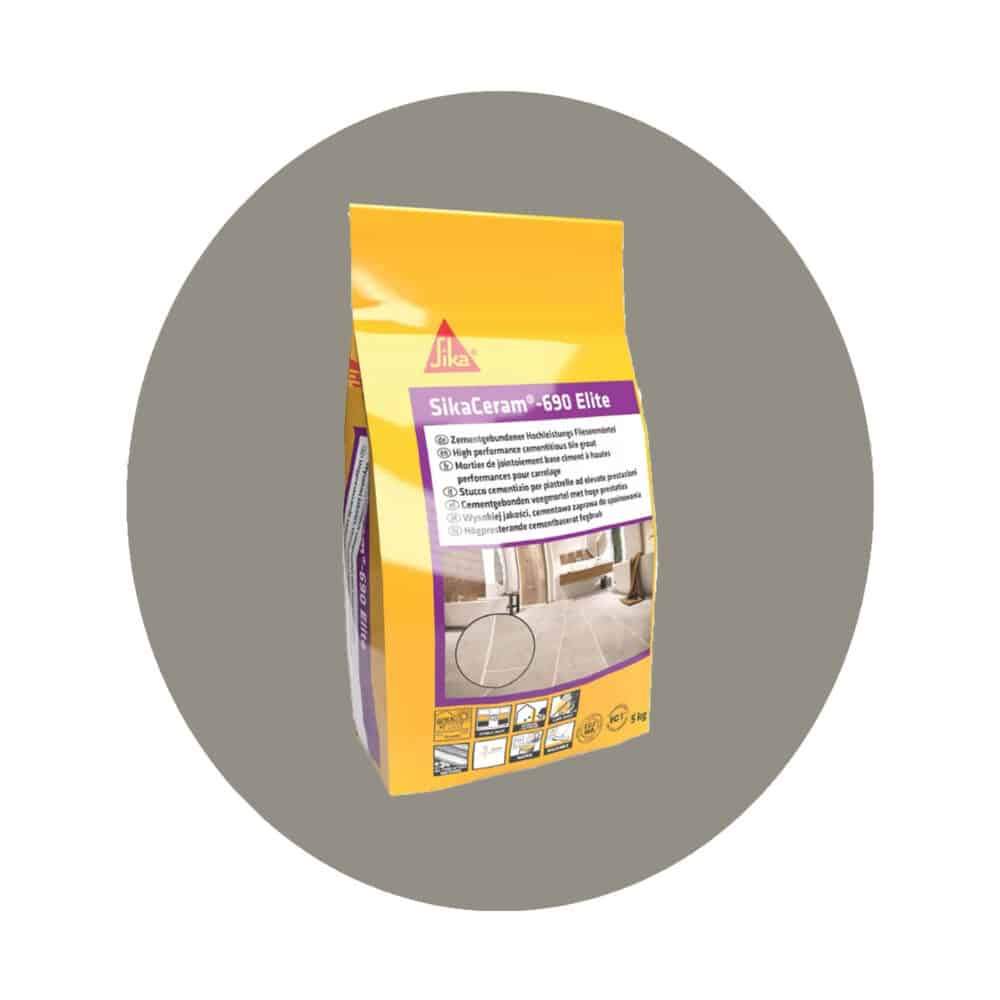
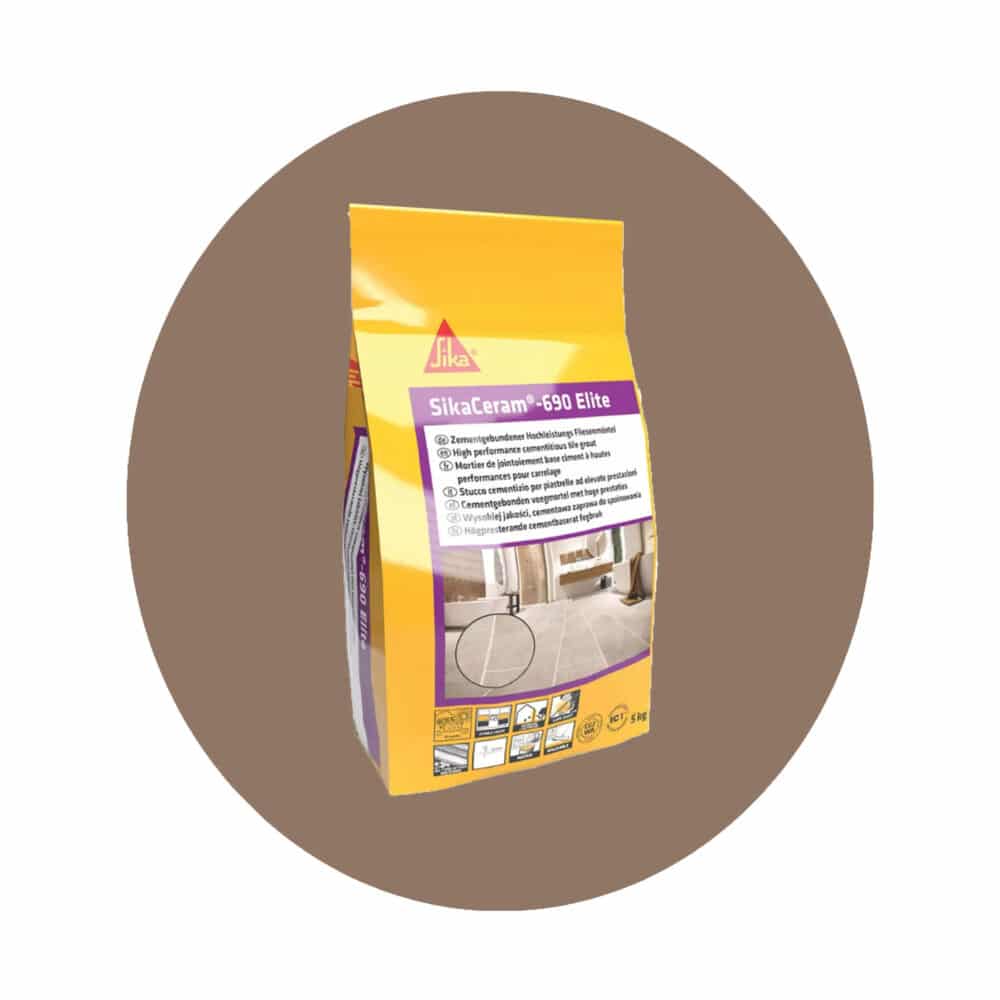
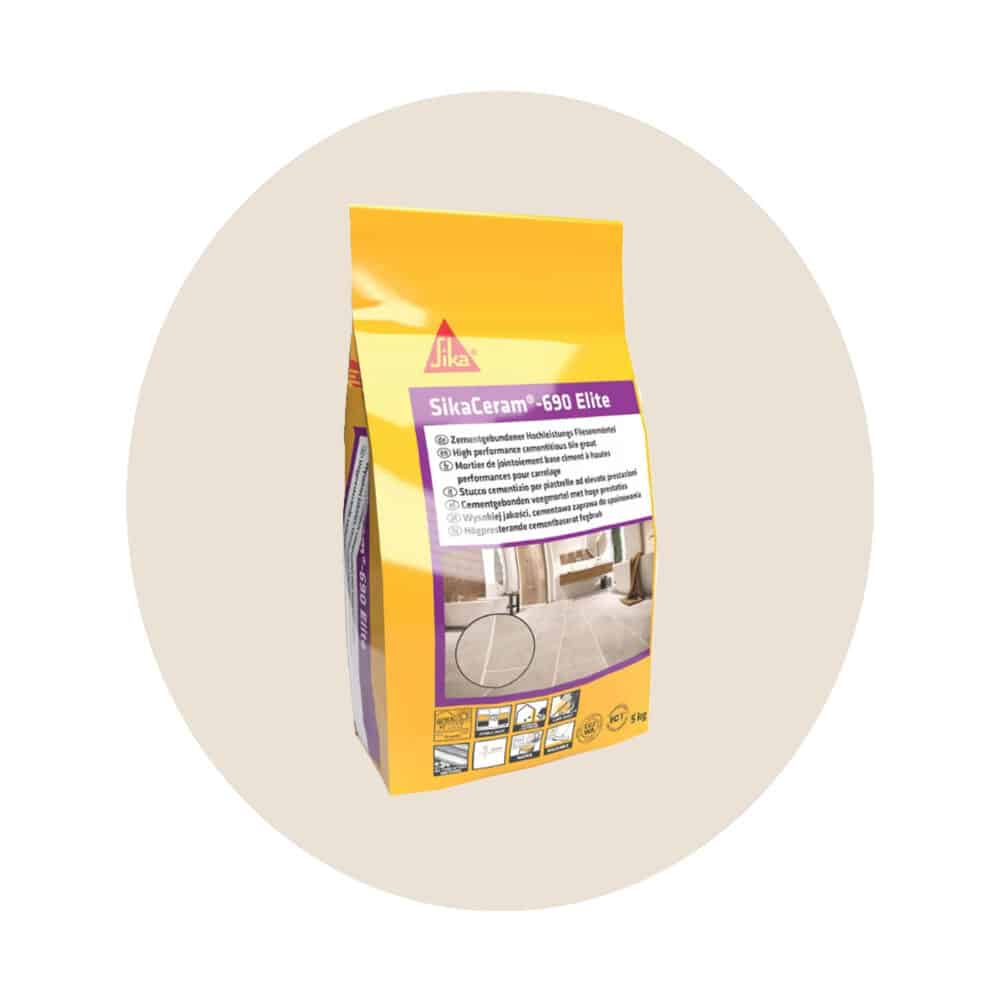
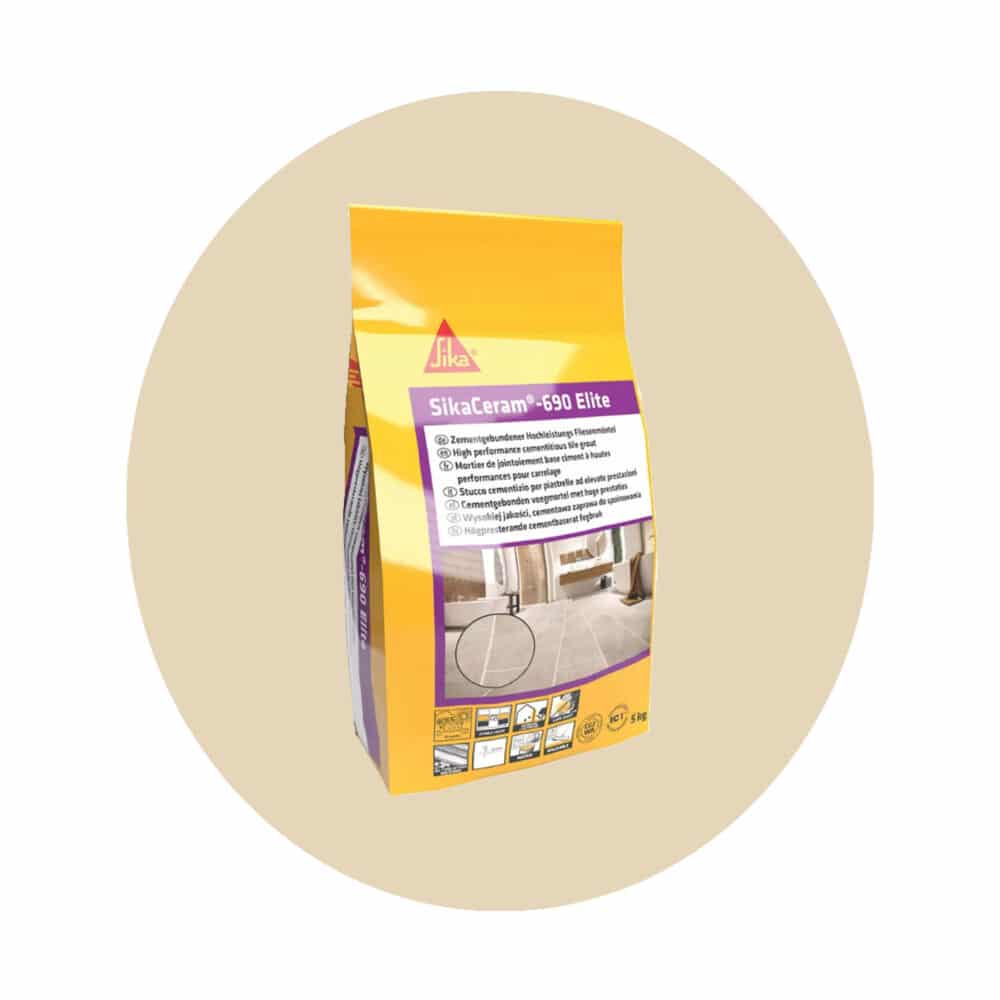
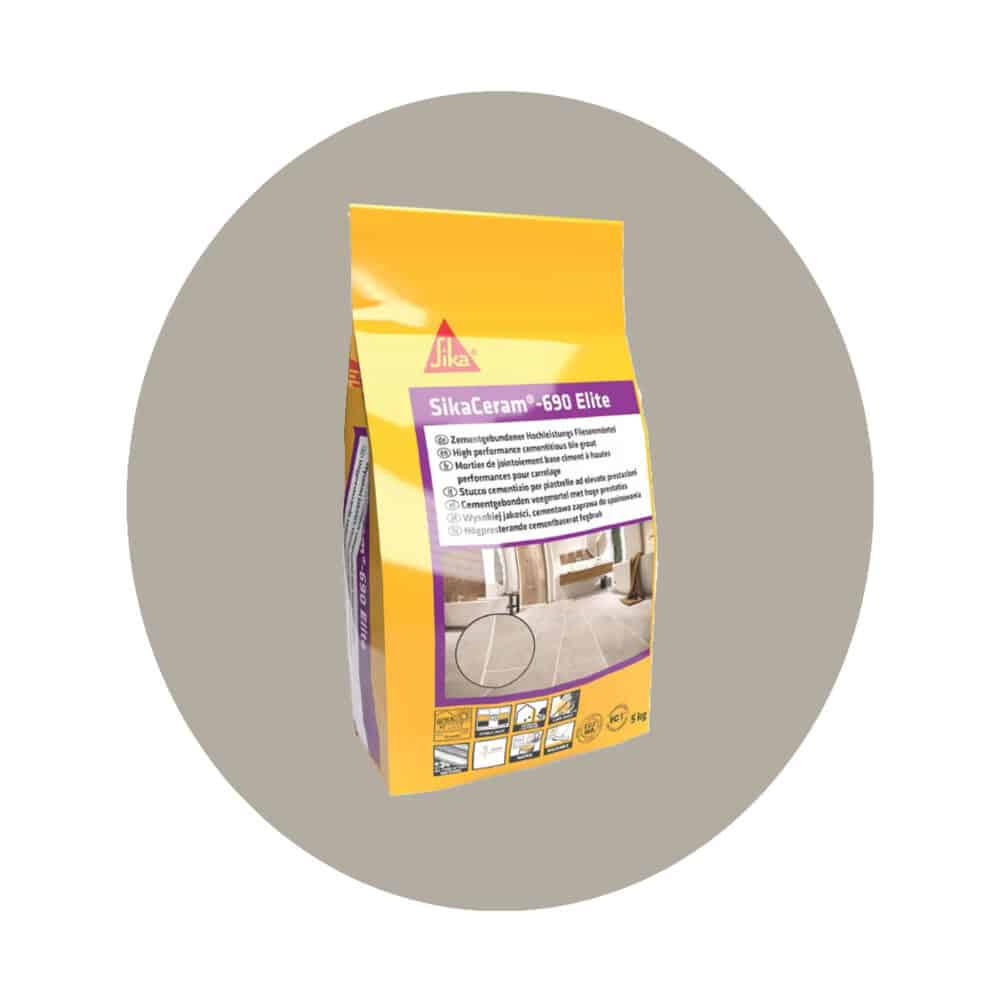
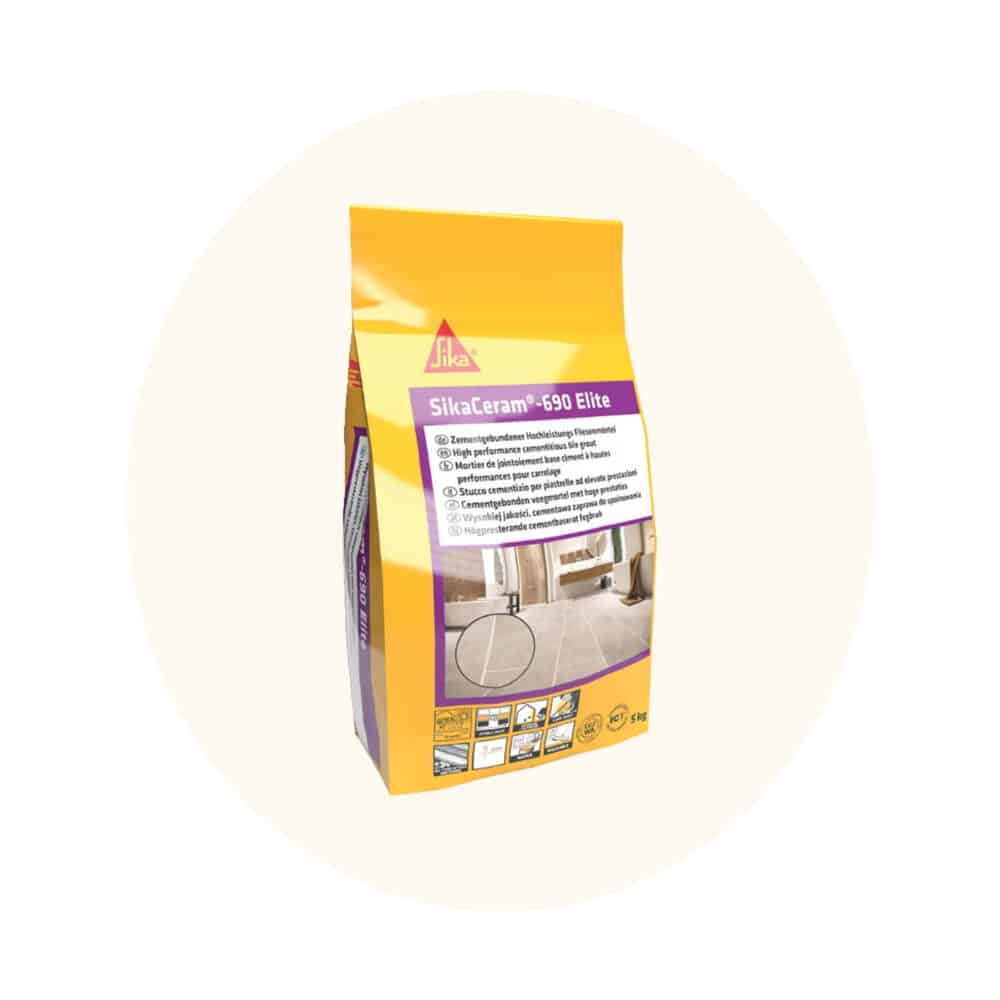
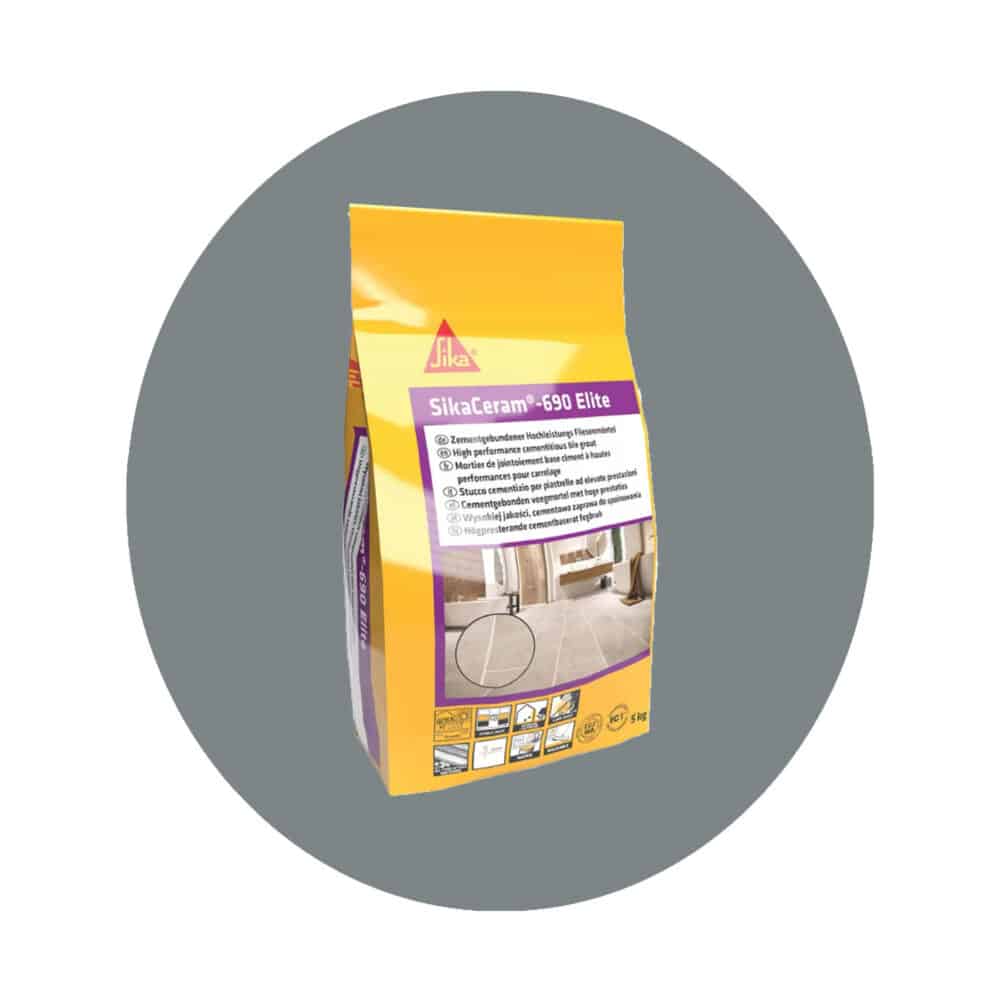
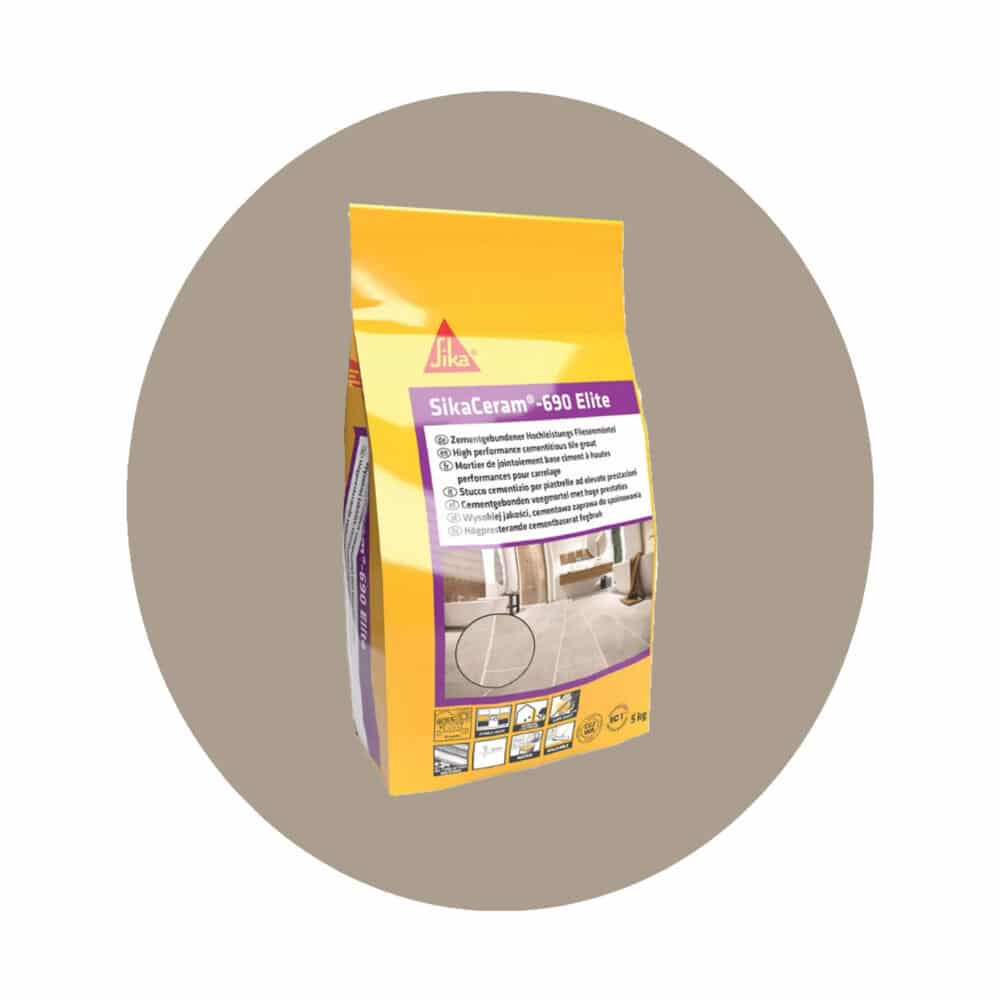
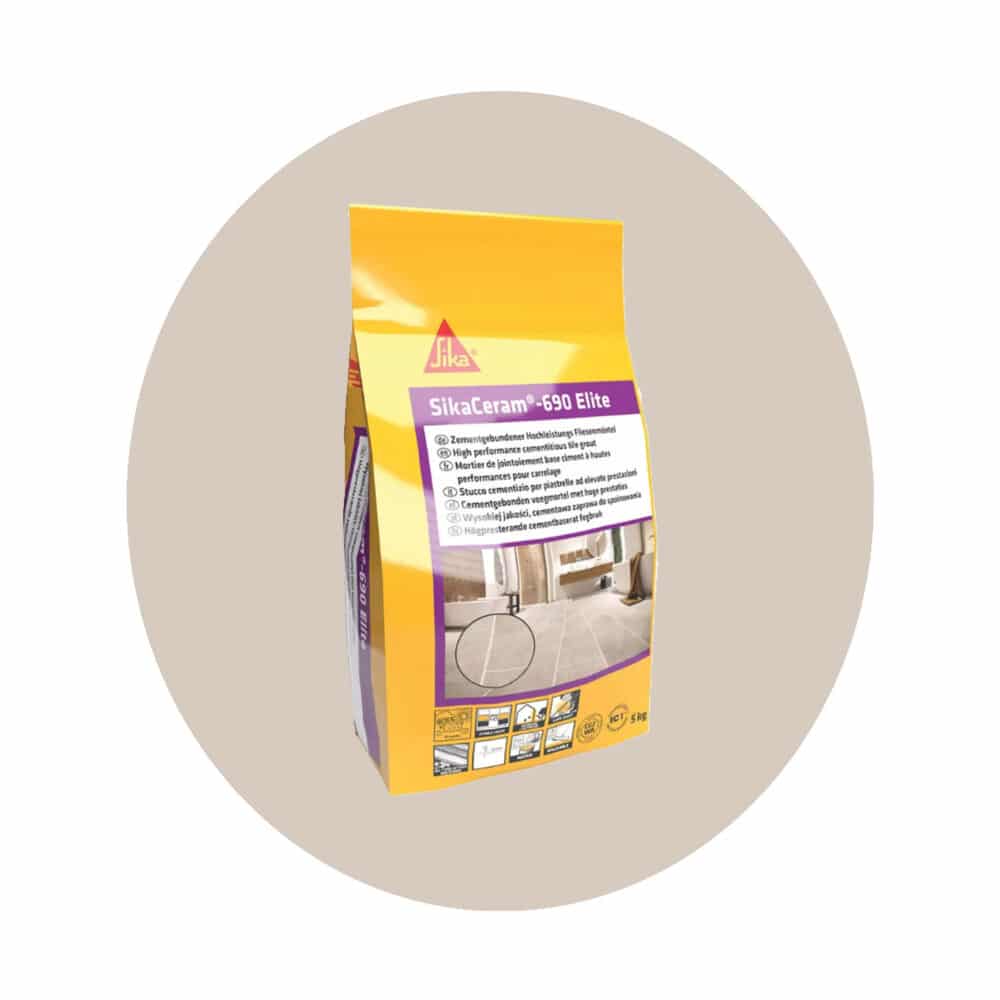
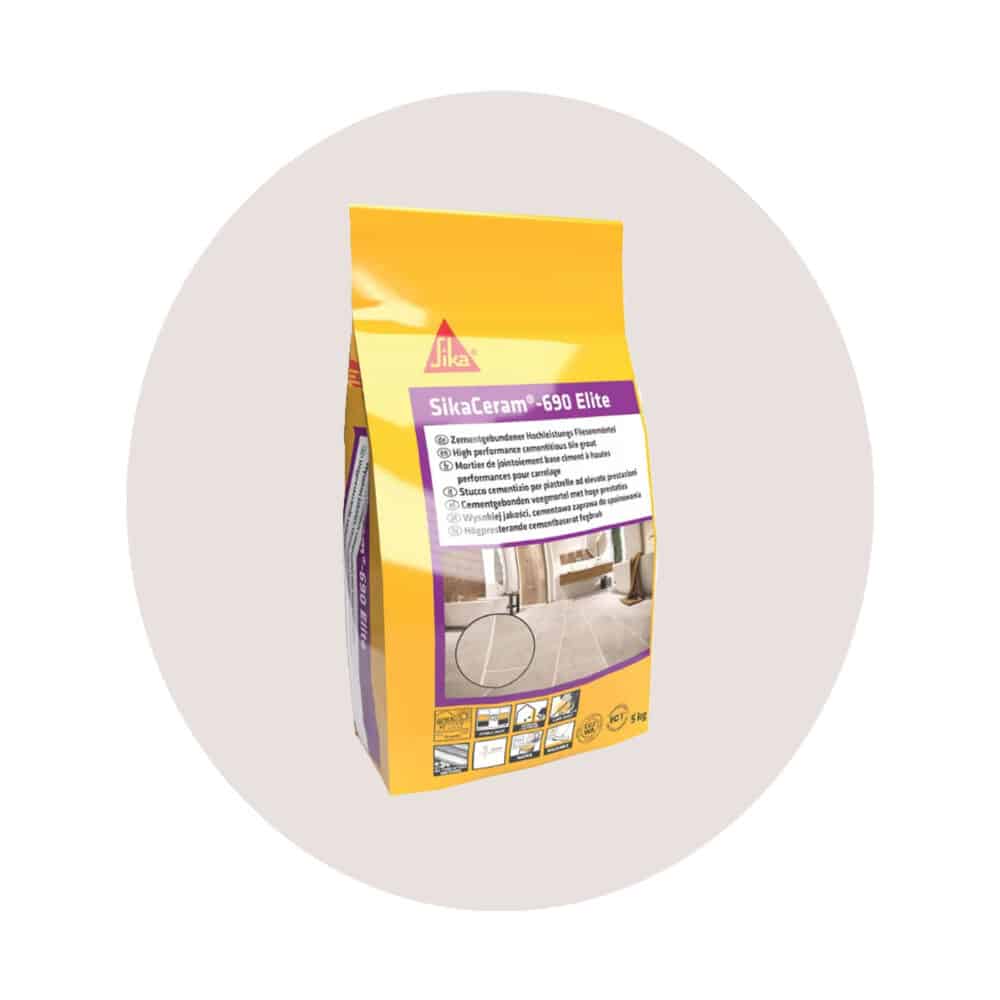
SikaCeram-690 Elite is a high-performance cementitious tile grout manufactured by Sika Australia, one of the world’s largest construction chemistry companies. Classified CG2WA under EN 13007 (the European standard for tile grouts), it is a polymer-modified, Portland cement-based grout suitable for joints from 1 mm to 10 mm on both walls and floors. It is rated for indoor and outdoor use, including swimming pools and spas.
What sets the 690 Elite apart from standard cementitious grouts is Sika’s proprietary DUST LESS technology, which reduces airborne dust during mixing by up to 80%. This is a significant health and comfort benefit on site, particularly for tilers working in enclosed bathrooms, commercial fit-outs and renovation projects where dust extraction is limited. The grout also carries a Very Low VOC rating (EMICODE , EC1PLUS), making it suitable for sensitive environments such as hospitals and schools.
Technical Specifications
| Classification | CG2WA (EN 13007) |
|---|---|
| Composition | Polymer-modified Portland cement with fine silica/quartz sand |
| Joint width range | 1 mm – 10 mm |
| Appearance | Fine powder |
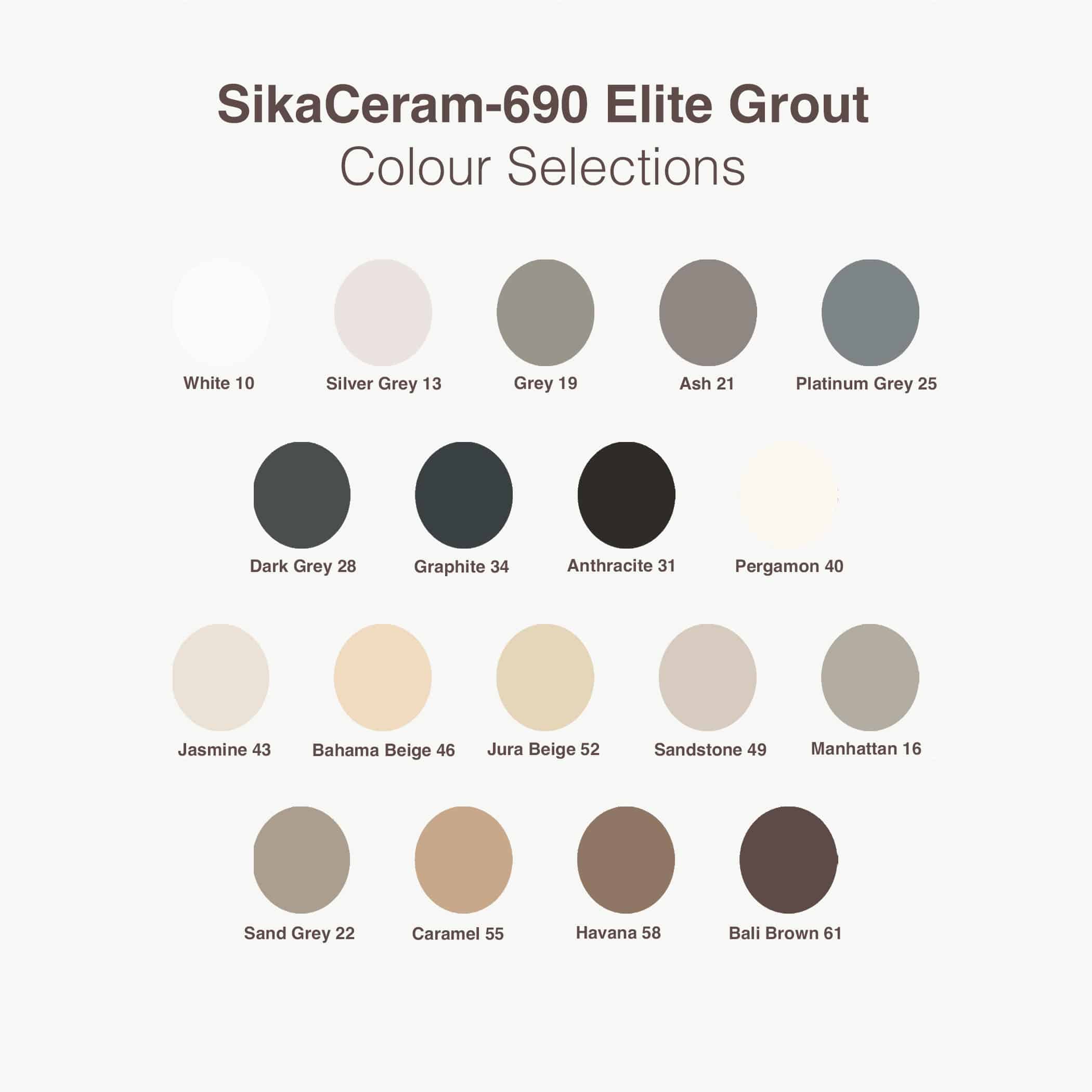
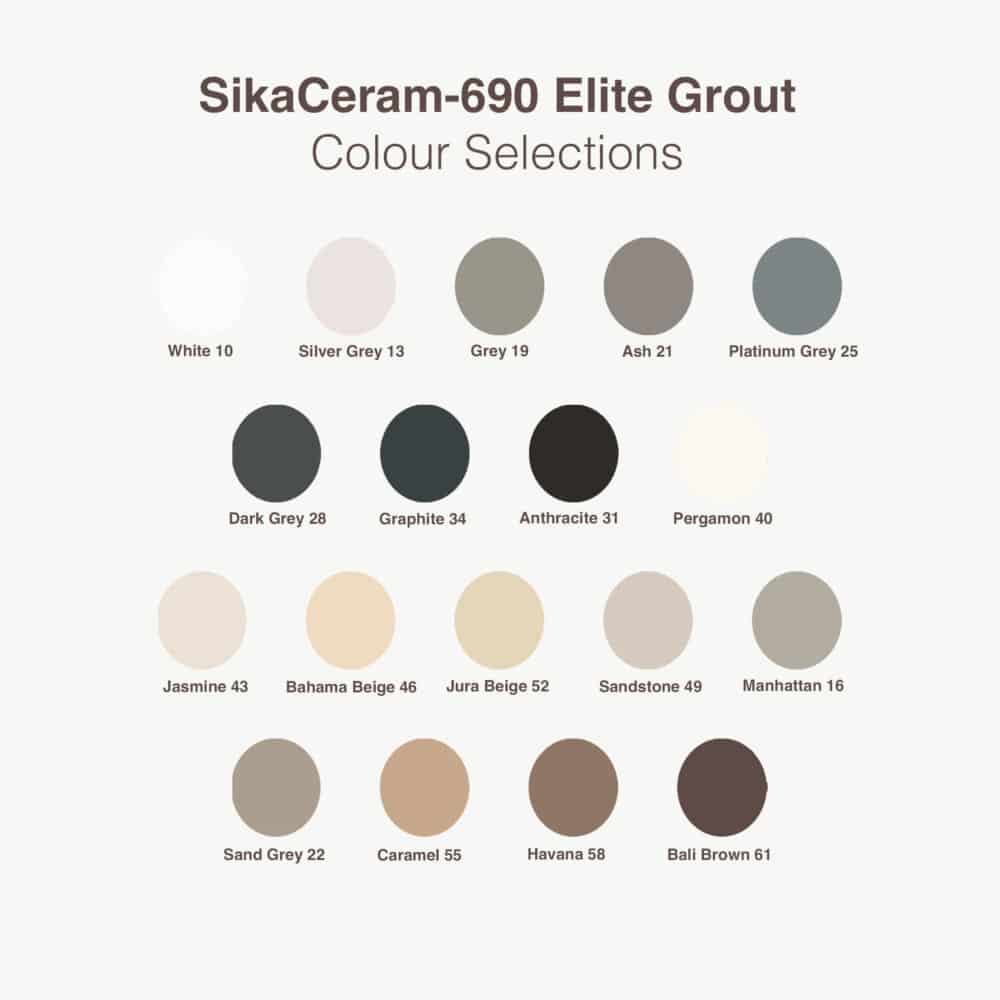
| Colours available | 18 colours |
| Mixing ratio | 1.4–1.45 litres of water per 5 kg bag |
| Pot life | ~30 minutes at +20 °C |
| Touch dry | 15–45 minutes (varies with tile absorbency) |
| Pedestrian traffic | ~3 hours |
| Full traffic | ~7 days |
| Ambient temperature range | +5 °C to +25 °C |
| Substrate temperature range | +5 °C to +25 °C |
| VOC rating | Very Low — EMICODE EC1PLUS |
| DUST LESS technology | Up to 80% less airborne dust during mixing |
| Packaging | 5 kg bag |
| Shelf life | 24 months from date of production |
| Storage | +5 °C to +30 °C, dry, unopened, undamaged packaging |
Coverage Rates
Grout consumption varies with tile size, tile thickness and joint width. The table below provides approximate coverage in kg/m² based on common tile formats (values from the Sika product data sheet).
| Tile size | 1 mm joint | 3 mm joint | 6 mm joint | 10 mm joint |
|---|---|---|---|---|
| 20 x 20 x 5 mm (mosaic) | 1.1 kg | 3 kg | 5 kg | — |
| 200 x 200 x 8 mm | 0.2 kg | 0.5 kg | 1.2 kg | 1.5 kg |
| 300 x 300 x 8 mm | 0.1 kg | 0.4 kg | 0.7 kg | 1.0 kg |
| 300 x 600 x 8 mm | 0.1 kg | 0.3 kg | 0.5 kg | 0.7 kg |
| 600 x 600 x 8 mm | 0.1 kg | 0.2 kg | 0.4 kg | 0.5 kg |
Coverage values are a guide only. Actual consumption will vary depending on tile texture, format and joint depth.
Where to Use
- Bathrooms, showers and wet areas (walls and floors)
- Swimming pools and spas
- Balconies, terraces and outdoor entertaining areas
- Commercial environments including retail, hospitality and healthcare
- Facades and feature walls
- Heated floors (water and electric underfloor heating systems)
Suitable Tile Types
- Porcelain and fully vitrified tiles
- Glass tiles and mosaics
- Glazed ceramic tiles
- Marble and natural stones sensitive to discolouration
- Artificial stone tiles
How to Apply
- Prepare joints — Ensure joints are dry, clean and free of excess adhesive, contaminants and tile spacers. The surface must not be damp to touch, with no ponding water.
- Mix — Pour 1.4–1.45 litres of clean cold water into a clean container. Gradually add the 5 kg bag of powder while mixing with an electric paddle mixer at 600 rpm. Mix until smooth and uniform in colour. Do not mix by hand.
- Mature — Allow the mixed grout to rest (slake) for 2–3 minutes, then remix briefly for approximately 30 seconds. Do not add more water after mixing.
- Apply — Using a grout spreader, squeegee or grouting float, work the grout diagonally across the joints. Completely fill and compact all joints uniformly.
- Finish — If required, shape the joint with a grout finishing tool while the grout is still wet.
- Initial clean — When the grout is touch-dry (15–45 minutes), clean the tile surface with a damp sponge. Rinse the sponge frequently with clean water.
- Polish — Once the grout has set hard in the joint (fingernail hard), polish the tile surfaces with a clean, soft dry cloth.
Important Notes
- Do not apply in direct sunlight — rapid drying can cause cracking in the joint.
- Prevent contact of freshly applied grout with water (including rain) except during the cleaning stage.
- Premature water exposure or excess water in the mix can cause white efflorescence on the grout surface.
- On highly absorbent tiles, thoroughly pre-dampen the surface before grouting.
- Always perform a cleanability and staining test on a small area before grouting absorbent or porous tiles.
- Not suitable for chemical exposure — for chemical-resistant joints, use an epoxy grout from the SikaCeram range.
- Apply in a continuous operation; do not interrupt for more than two hours in the same area.
Frequently Asked Questions
How long before I can walk on tiles grouted with SikaCeram-690 Elite?
Pedestrian foot traffic is possible after approximately 3 hours at +23 °C and 50% relative humidity. Full traffic loading (furniture, equipment) should wait approximately 7 days. Higher temperatures reduce waiting times; cooler temperatures increase them.
What does CG2WA classification mean?
CG2WA is a classification under EN 13007. CG means cementitious grout; 2 indicates improved performance (abrasion resistance and water absorption); W denotes reduced water absorption; and A indicates high abrasion resistance. It is the highest performance tier for cementitious grouts.
Can SikaCeram-690 Elite be used in swimming pools?
Yes. SikaCeram-690 Elite is rated for pool and spa applications. Its low shrinkage, water-repellent properties and high abrasion resistance make it suitable for permanently wet environments. Ensure the grout is fully cured (minimum 7 days) before filling the pool.