Description
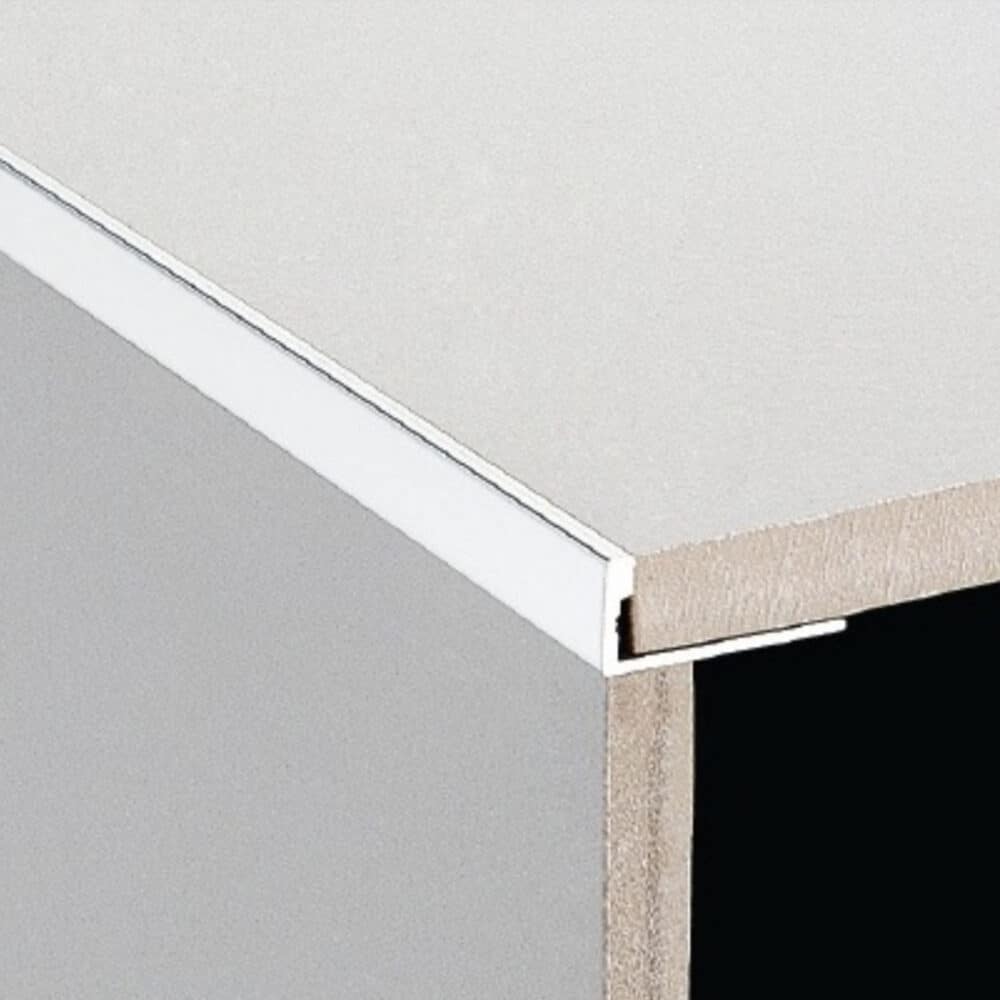
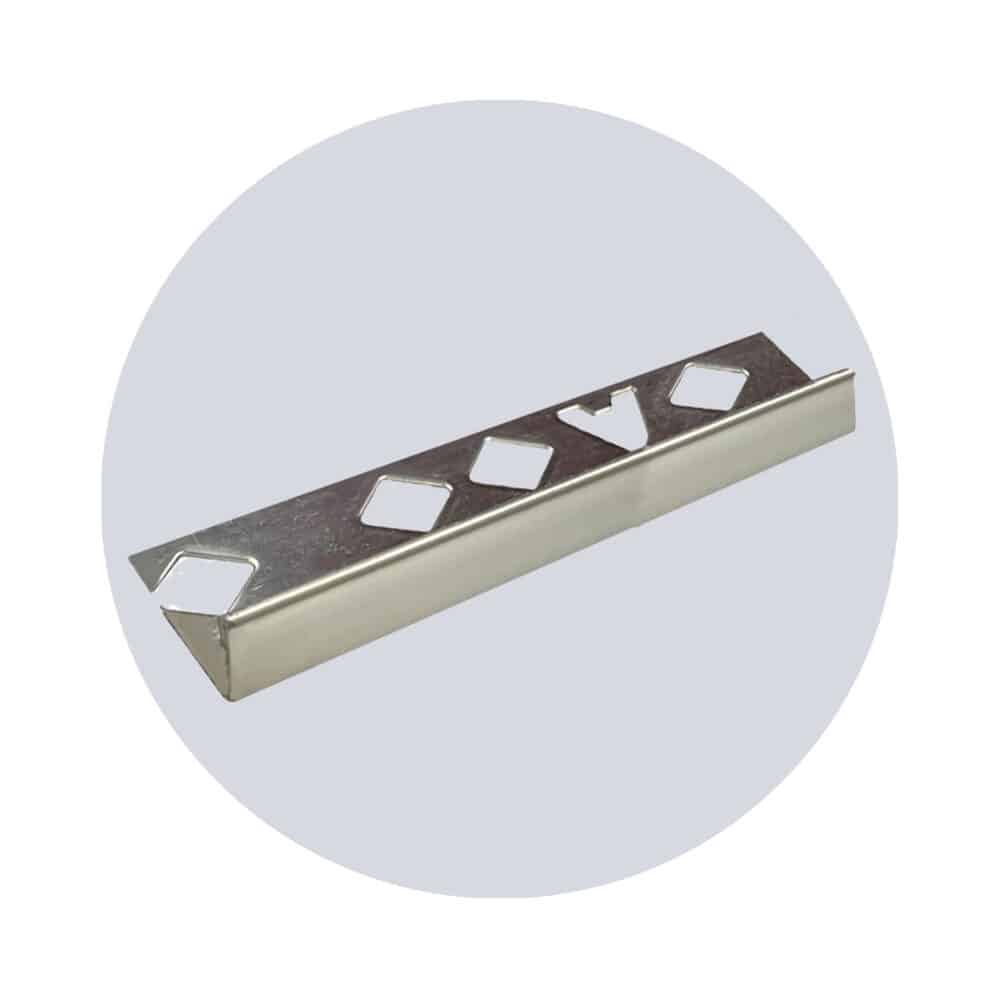
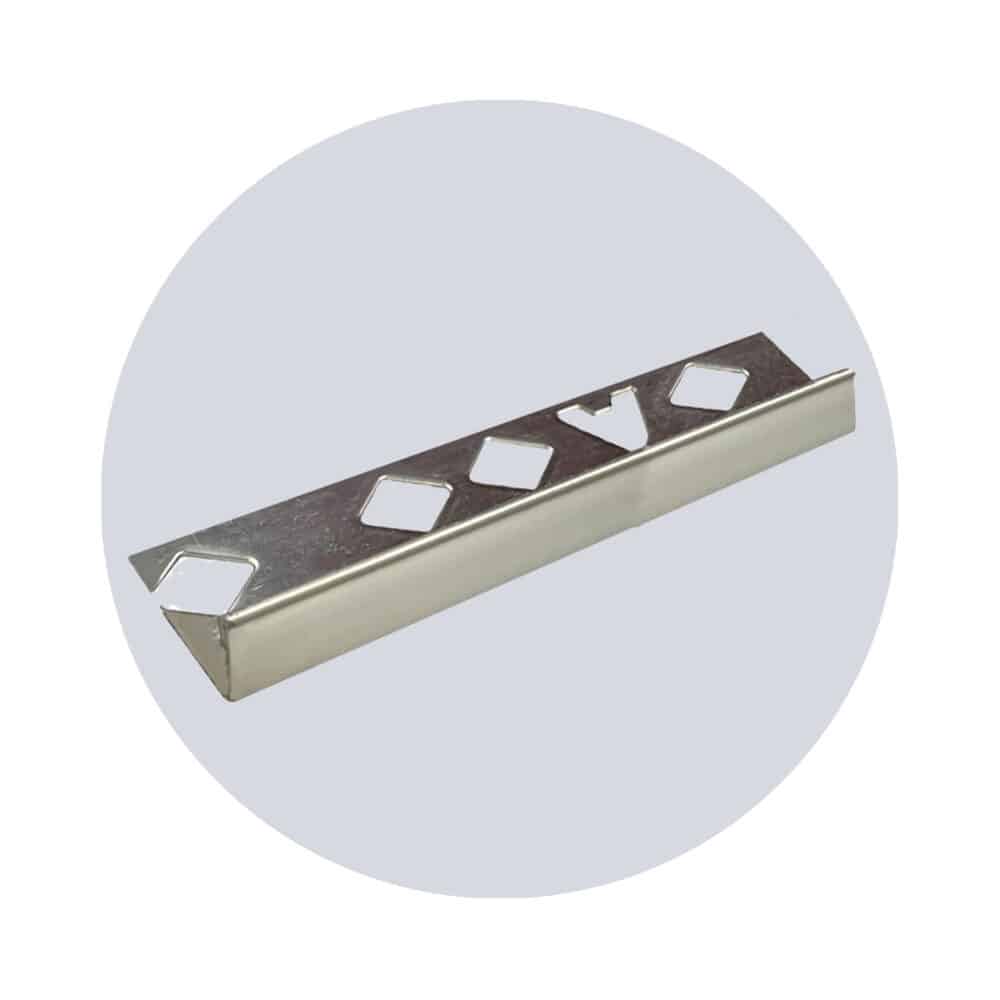
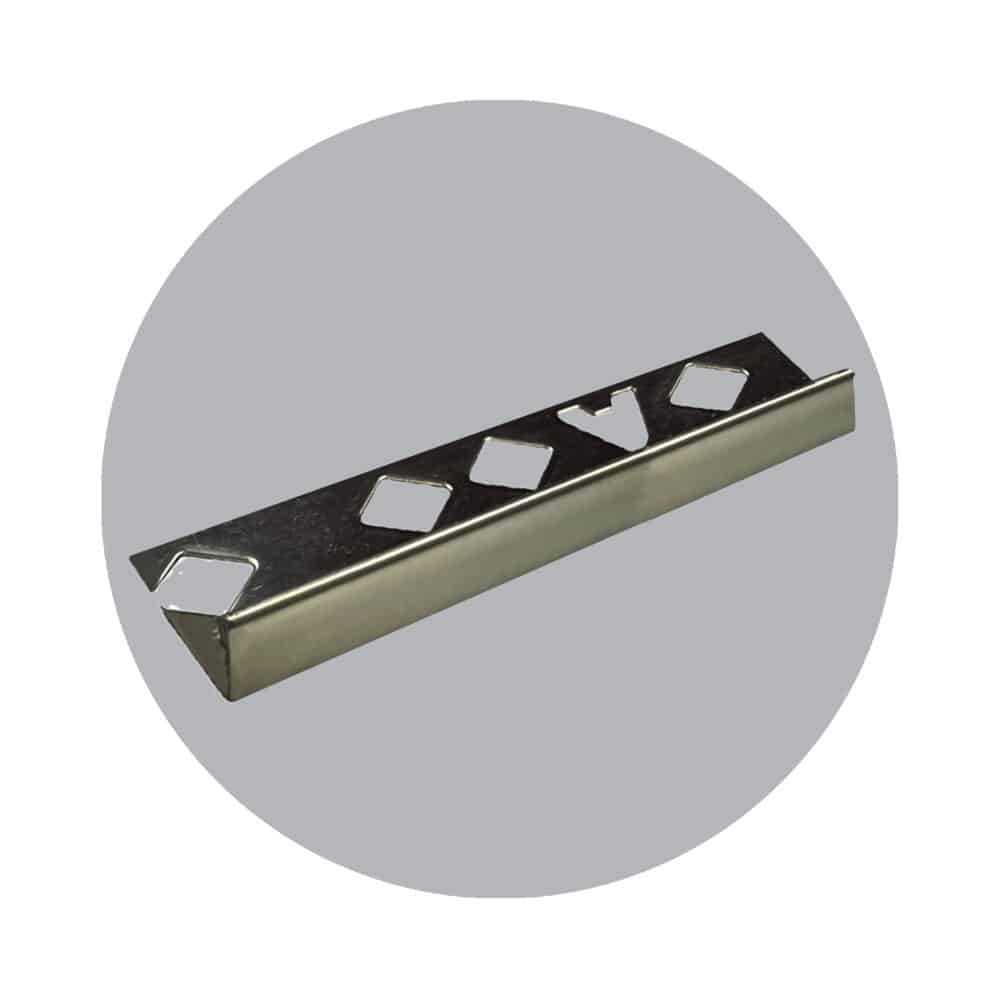
The Stainless Steel L-Shape Angle by DTA (Designer Tile Accessories) is a precision-formed tile trim designed to deliver a clean, professional edge finish on tiled surfaces. Available in both 304 grade and 316 marine grade stainless steel, this L-shape angle covers 10 sizes from 3 mm to 22 mm in 3-metre lengths, making it one of the most versatile tile trim profiles on the Australian market.
Where standard aluminium trims can oxidise or discolour over time, stainless steel maintains its appearance and structural integrity for decades. The 304 grade suits most interior and dry-area applications, while the 316 grade adds molybdenum for superior resistance to chloride and salt-spray corrosion, making it the right choice for coastal projects, pool surrounds and commercial kitchens.
Technical Specifications
| Material | Austenitic stainless steel |
|---|---|
| Grades available | 304 (interior/general) and 316 (marine/coastal) |
| Profile | L-shape (right angle, 90-degree return) |
| Available sizes | 3 mm, 4.5 mm, 6 mm, 8 mm, 10 mm, 12.5 mm, 15 mm, 17.5 mm, 18.5 mm, 22 mm |
| Length | 3 metres per piece |
| Finish | Mill / brushed stainless steel |
| Corrosion resistance | 304: general atmospheric; 316: chloride, salt-spray, marine environments |
| Installation standard | AS 3958.1 (Guide to the installation of ceramic tiles) |
304 vs 316 Grade — Which Do You Need?
304 stainless steel (also known as 18/8 for its 18% chromium and 8% nickel composition) is the most widely used stainless steel alloy in the world. It offers excellent corrosion resistance in normal atmospheric conditions and is the standard choice for interior tiling, bathroom thresholds, and general wall or floor edge protection.
316 stainless steel adds 2–3% molybdenum to the alloy, which dramatically improves resistance to pitting and crevice corrosion from chlorides. Choose 316 grade when the trim will be exposed to:
- Salt air or coastal environments (within 1 km of the ocean)
- Pool and spa surrounds where chlorinated water contacts the trim
- Commercial kitchens and food-processing areas with frequent chemical cleaning
- Any application where long-term chloride exposure is expected
Where to Use
- Tiled edges at floor level adjacent to timber, vinyl or carpeted floor coverings
- Bathroom, toilet and laundry door thresholds where discontinuous tiling meets other flooring
- Wall-to-floor transitions and skirting terminations
- External corners and step nosings on tiled staircases
- Balcony and terrace perimeters (use 316 grade for exposed locations)
- Commercial and hospitality fit-outs requiring a durable, hygienic edge finish
- Pool coping and wet-area transitions (316 grade)
How to Install
- Measure and cut — Mark the trim to length and cut with a stainless-steel-rated cutting disc or hacksaw. De-burr the cut edge with a fine file.
- Prepare the substrate — Ensure the substrate is level, clean and free of debris. The construction depth of the trim must match the tile thickness; for example, select a 10 mm trim for a 10 mm tile.
- Bed the trim — Apply tile adhesive to the substrate and press the perforated leg of the L-angle into the adhesive bed. The visible face of the trim should sit flush with (or very slightly above) the finished tile surface.
- Set tiles — Butt tiles firmly against the trim, leaving a consistent grout joint. Back-butter tiles if required to ensure full adhesive contact.
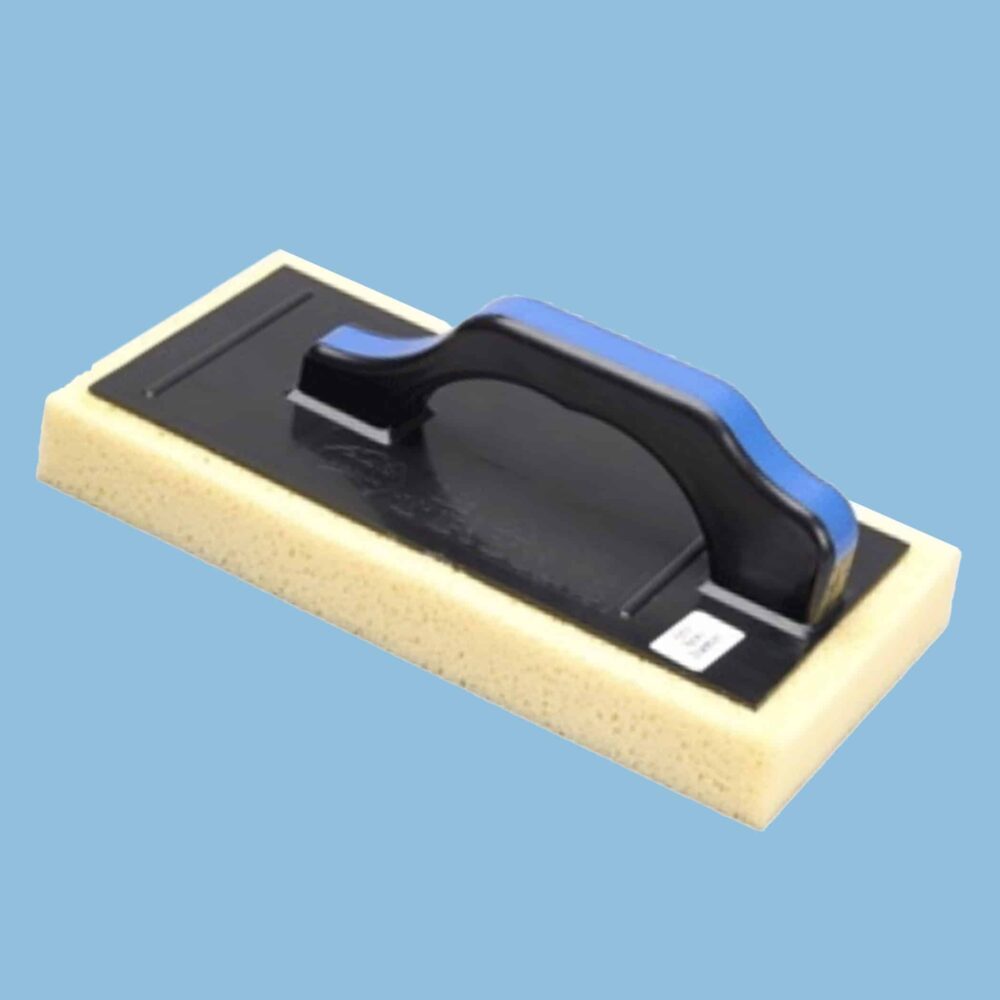
- Grout — Grout the joint between the tile and the trim. Wipe excess grout from the stainless steel face immediately, as cured grout can be difficult to remove without scratching.
- Clean — Wipe the trim with a soft cloth and mild detergent. Do not use steel wool or abrasive pads, which can cause cross-contamination and surface rust on stainless steel.
Important Notes
- Always match the trim depth to the tile thickness to achieve a flush finish.
- Do not cut stainless steel trims with a standard mild-steel cutting disc — this embeds carbon steel particles that cause surface rust.
- In mixed-metal environments, ensure stainless steel is isolated from dissimilar metals (e.g. mild steel or copper) to prevent galvanic corrosion.
- For retaining-wall or below-ground applications where moisture is constant, 316 grade is strongly recommended.
- Store trims flat and protected from site debris to avoid scratching the surface finish prior to installation.
Frequently Asked Questions
What is the difference between 304 and 316 stainless steel tile trim?
304 stainless steel contains 18% chromium and 8% nickel, providing excellent corrosion resistance for interior and general-purpose applications. 316 stainless steel adds 2–3% molybdenum, which significantly improves resistance to chloride-induced pitting and makes it suitable for coastal, pool and marine environments.
What size L-shape angle do I need for my tiles?
Select a trim size that matches your tile thickness. For example, a 10 mm thick porcelain tile requires a 10 mm L-shape angle. The trim sits flush with the tile surface when the perforated leg is fully embedded in the adhesive bed. DTA offers sizes from 3 mm to 22 mm to suit virtually any tile format.
Can stainless steel tile trim be used around pools?
Yes, but only 316 marine grade should be used around pools, spas and in coastal environments. The molybdenum content in 316 stainless steel resists chloride corrosion from pool chemicals and salt air. Using 304 grade in these conditions may lead to pitting and surface staining over time.